Motion Blur vs Chromatic Aberration Showdown
The Great Graphical Debate: Which Visual Flaw Should Die in Gaming?
In the often-contentious world of video game graphics, there is an unspoken truth: visual fidelity is everything. But what happens when that fidelity is compromised? Recently, the community has turned the spotlight on a truly existential question: which graphical effect should be permanently banished from the realm of gaming?
A poll has taken place, pitting several visual imperfections against one another, leading to a final showdown between two effects that were, frankly, a huge surprise to everyone involved. The debate is heating up, and gamers are now voting to decide which visual annoyance deserves to be officially retired from games forever.
The stakes couldn’t be higher, as the final two contenders represent very different types of visual disruption. The community is weighing up effects that subtly alter the illusion of reality, forcing us to consider what truly defines a seamless and immersive gameplay experience.
The Contenders
Two particular graphical effects emerged as the frontrunners in this visual battle. First is motion blur, an effect that plays tricks on the eye by smoothing out movement. The existence of motion blur has been a point of contention, as its presence dramatically changes how we perceive speed and action.
The second contender is chromatic aberration, often described as the distracting red and blue borders that creep into the edges of the screen. While some developers might embrace this visual flair, others view it as an unwelcome intrusion on the visual harmony of the game world.
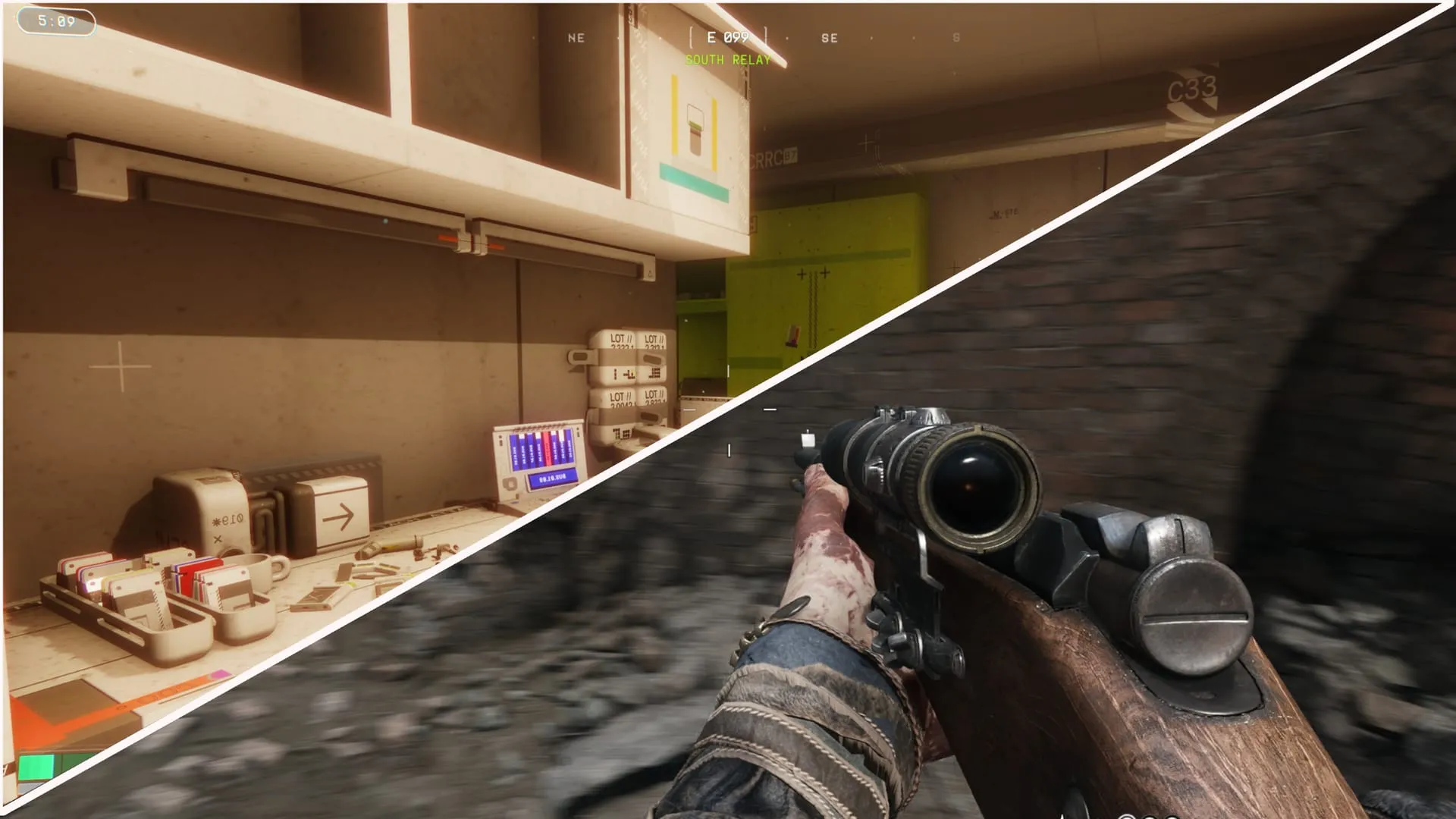
To illustrate the difference, we can look at how these effects manifest in actual gameplay. Motion blur, for instance, can be starkly seen in titles like Hunt: Showdown, where the distinction between day and night is dramatically altered by the blurring motion.
Similarly, chromatic aberration has been observed in games such as Marathon. Here, the red/blue border becomes most noticeable when viewed on specific surfaces, such as the white cabinet, highlighting the visual artifact.
Ultimately, this vote isn’t just about pixels and lines; it’s a reflection of what the gaming community values most in its visual presentation. As the final results are tallied later this week, the answer will reveal which visual flaw is destined to be the ultimate loser and banished from the digital arena.
Buy on Amazon
Credit
