Motion Blur vs Lens Flare which is the worst
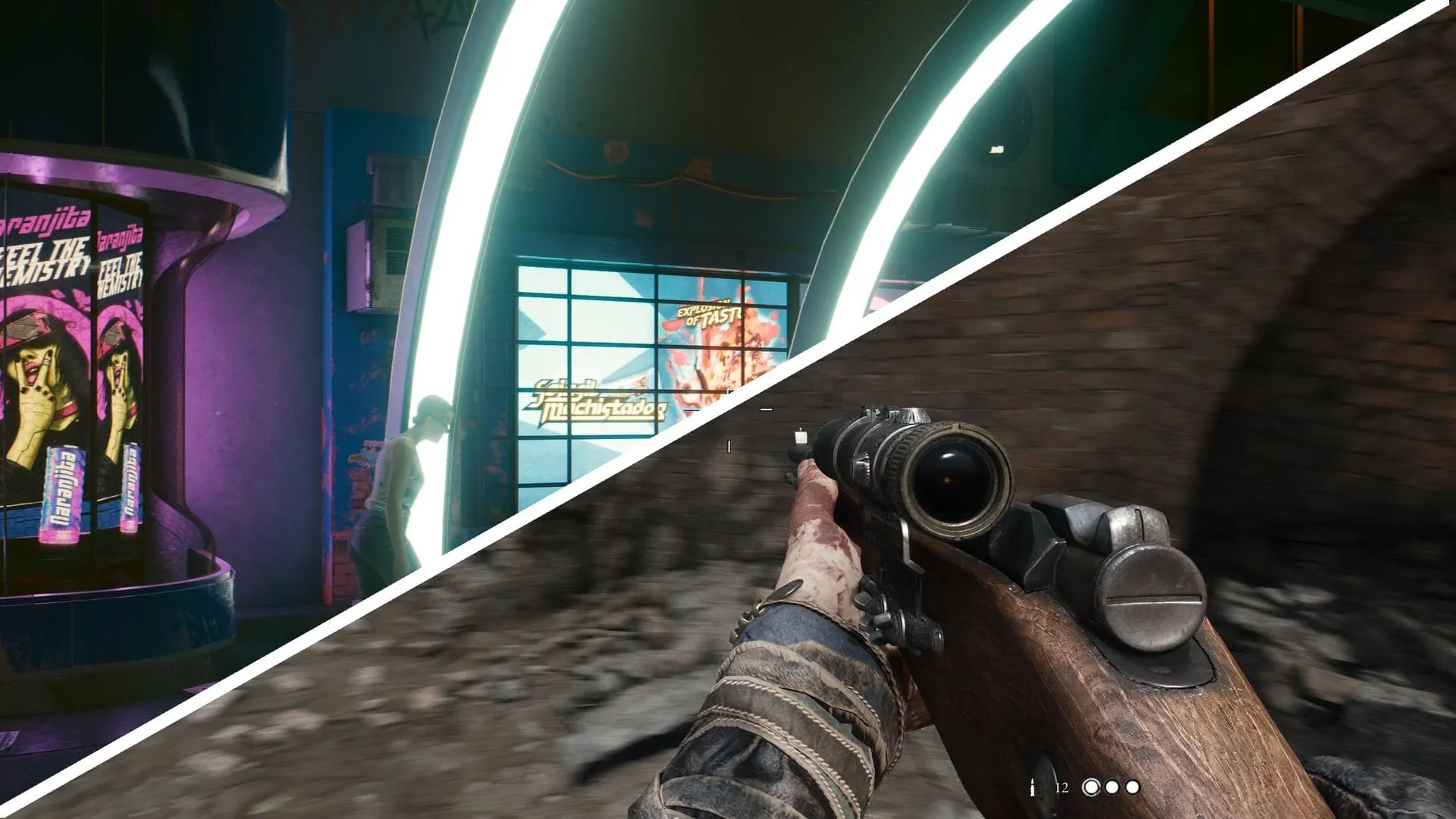
In the endless quest for visual perfection in gaming, developers face a constant dilemma: which graphical effects are essential tools for atmosphere and immersion, and which are simply visual clutter? This deep dive explores the ongoing, often fiery, debate over what we should keep, and what we should cut, from the visual arsenal of modern computer graphics.
The debate often boils down to a knockout format, pitting two visual effects against each other to determine which one truly earns its place in the game’s settings. These are not trivial choices; they represent fundamental decisions about how the visual world is rendered and perceived by the player. The challenge is determining which effect truly serves the aesthetic goal, and which is merely an unnecessary complication.
Consider the battlefield of visual effects: Depth of Field versus Vignette, Chromatic Aberration versus Dirt, Motion Blur versus Lens Flare, and Film Grain versus Bloom. Each pairing forces a reckoning with the subtle interplay between light, focus, and texture.
When we examine the arguments, the conversation quickly moves beyond simple technical specifications and into pure aesthetics. For instance, the choice between motion blur and lens flare highlights the tension between realistic movement and the optical artifacts that mimic real-world light. Is the subtle ghosting of motion blur a necessary tool for conveying speed, or is the dramatic glow of lens flare the more impactful visual flourish?
Similarly, the visual texture choices offer fascinating perspectives. Film grain introduces a tactile, analog quality, while bloom adds a dreamy, luminous quality. The decision between these two affects the overall mood of the scene, moving the game experience from a crisp, digital reality to something more evocative and painterly.
These head-to-head matchups reveal that there is no single “worst” effect, only effects that serve different narrative purposes. Some visual anomalies, like chromatic aberration, might be viewed as distracting flaws, while others, like motion blur, are critical for conveying the dynamic nature of fast-paced action.
Ultimately, the beauty of this debate lies not in finding a definitive winner, but in acknowledging that every graphical choice shapes the player’s experience. It forces us to ask: what is the true purpose of visual fidelity, and how do we balance technical accuracy with artistic vision in the world of interactive graphics?
Buy on Amazon
Credit
