Mouse P.I. and Meat Boy team up in indie crossover
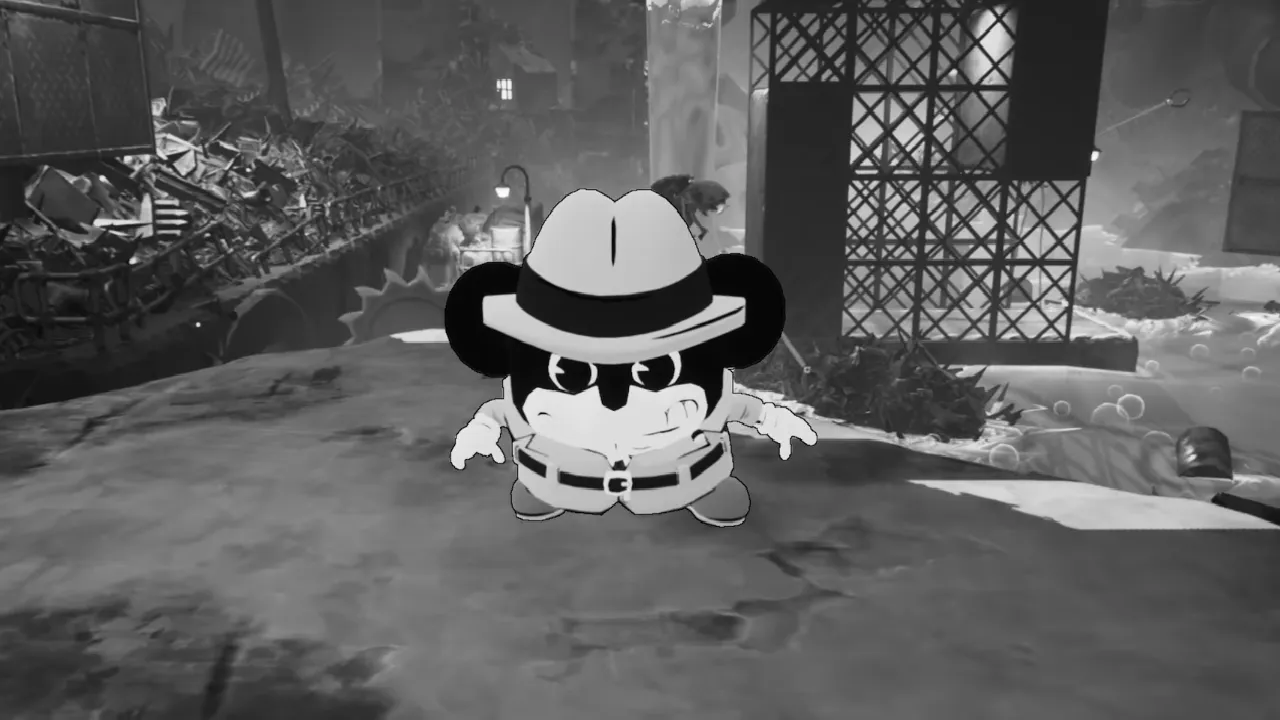
In the ever-evolving landscape of indie gaming, where creativity often pushes boundaries into the delightfully absurd, a new, slightly chaotic collaboration has emerged. We are talking about the unlikely pairing of Super Meat Boy 3D and Mouse: P.I. For Hire.
What happens when a classic, often brutally challenging platformer meets a classic noir detective story? The result is a mashup that defies easy categorization, combining the kinetic joy of platforming with the grim inevitability of a sawblade-filled labyrinth.
Imagine the titular mouse detective, thrust into a cube-like predicament, forced to navigate a hellish maze crafted entirely of deadly sawblades. This character, usually associated with clever deduction and stealth, must now embrace the frantic, death-defying physics of a run-and-jump game, plunging him into a world that is decidedly more violent than a typical detective mystery.
This juxtaposition isn’t accidental; it taps into a shared vein within the indie scene. Both titles share an aesthetic rooted in cartoony pastiches twisted with a slick, gory edge. They stand as testament to a generation of developers who prioritize unique visual flair and high-stakes action, even if the outcome involves jumping off cliffs instead of solving a case.
Super Meat Boy 3D is already a pioneer in games that demand spectacular, repeated failure. It is an undisputed veteran of invading the spaces of strangers, establishing a benchmark for visceral gameplay. While some critics have noted that its experience lacked a specific “vibe,” the sheer thrill of the running, jumping, and exploding mechanics remains undeniable, reflected in its high ratings.
Meanwhile, Mouse: P.I. For Hire has earned the status of a bona fide classic. It proved that engaging narrative and striking art style can transcend simple graphics, offering a deeper, more satisfying experience for players.
The real question, of course, lies in how these two worlds merge. Does the noir detective narrative provide a framework for the chaos, or does the platformer mechanics simply amplify the inherent absurdity of being a feline in a blade-filled death trap? Whatever the answer, the potential for wonderfully nonsensical gameplay is immense.
This collaboration hints at a playful deconstruction of genre expectations, suggesting that sometimes the most compelling stories are found not in strict genre adherence, but in the delightful, explosive collision of entirely different worlds.
Buy on Amazon
Credit
