MW4 DMZ perk is broken self-revive after full death
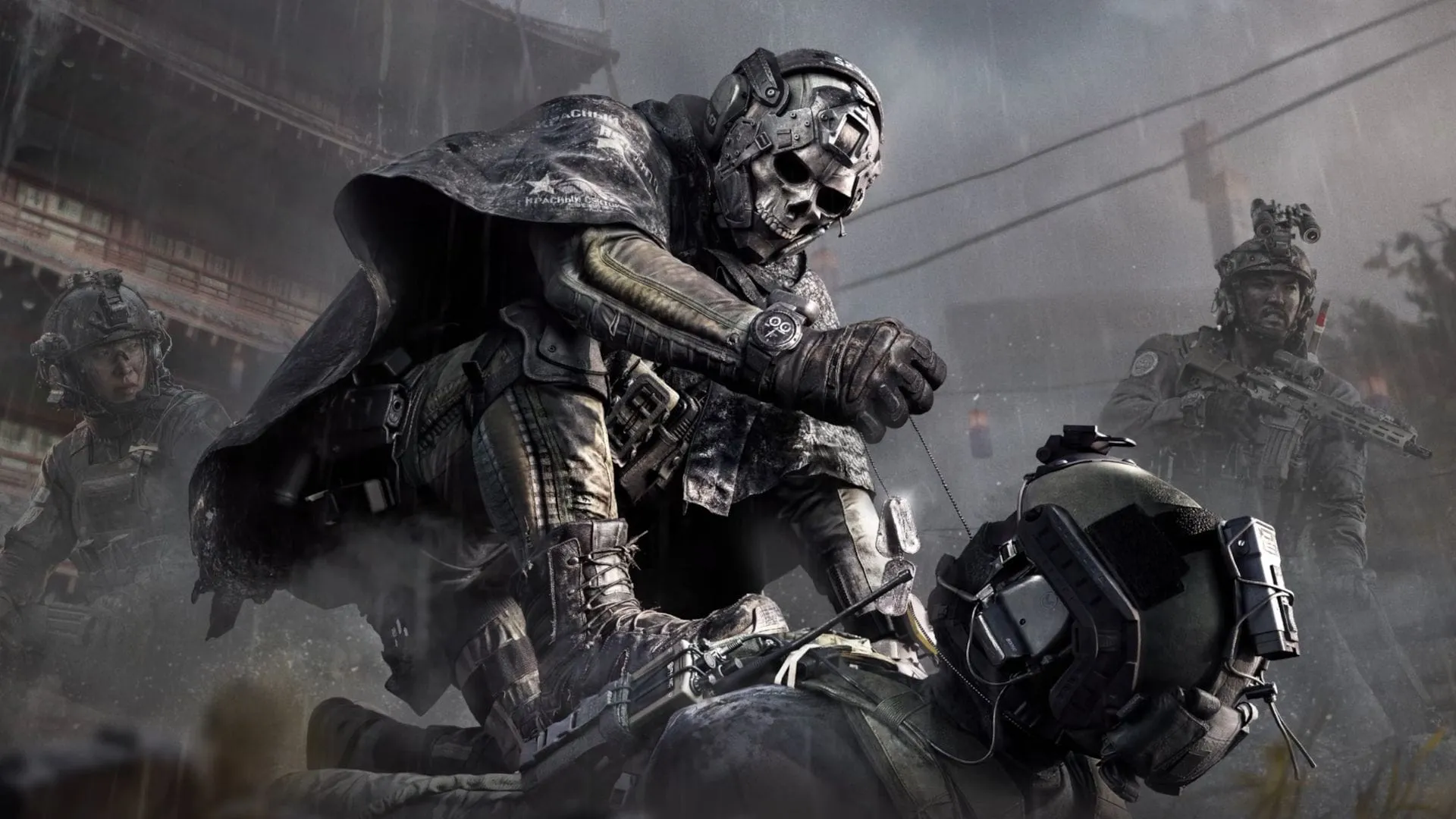
The Unexpected Perk That’s Tipping the Scales in Call of Duty’s Extraction Mode
While the world of competitive shooters is constantly evolving, sometimes the most disruptive changes don’t come from new weapons or maps, but from seemingly simple player traits. In Call of Duty: Modern Warfare 4’s highly competitive DMZ extraction mode, a specific operator ability has sparked an intense debate online: the Possum trait.
At first glance, the ability seems innocuous enough: it allows a player to perform a self-revive into last stand from death, storing maximum health once per match. On paper, it sounds like a powerful trump card, especially in a mode like DMZ which is designed to be less punishing than traditional extraction shooters.
However, in the volatile environment of player-versus-player combat, this perk has quickly morphed into something far more controversial—the internet is calling it broken. It’s not broken in the sense that the feature doesn’t function, but rather in the sense that it fundamentally changes the dynamics of a fight in a way that feels unfair to other players.
The core issue lies in the speed and nature of the self-revive. Unlike a standard revival, which is a slow process, Possum allows a player to spring back to life instantly after being killed and downed. This creates a terrifying and highly exploitable scenario. Imagine a player completely eliminating an opponent, turning their back to secure an advantage, only to be suddenly shot in the back by the deceased player who has just revived.
This potential for instantaneous reversal is precisely what causes panic in lobbies filled with Possum users. One dramatic scenario circulated online showed a player killing an opponent, turning away to fight others, and then suffering a fatal backshot from the victim who had just resurrected.
The drawback for the victim is that the self-revive isn’t instantaneous and requires them to pick themselves up from a downed state, often while still needing to secure a tourniquet. If the killer is paying close attention during this brief window, they can easily end the victim permanently before they can even stand back up, turning a tactical escape into a desperate, life-or-death struggle.
This suggests that the current execution of the trait doesn’t align with the spirit of the game. If the intent is for the player to use Possum to escape a losing fight and retain their valuable operator, the mechanics need a significant adjustment. Some observers argue that the trait needs to introduce a friction point, perhaps requiring a significant wait time—like five to ten minutes—before the self-revive can occur.
Alternatively, the community has suggested a more balanced solution: introducing a mechanic that allows players to burn bodies. This concept, seen in other games like Hunt: Showdown with its Necromancer ability, puts the onus back on the killer, requiring them to find a means to set a corpse ablaze and wait for a sound cue confirming that the victim is no longer a threat. This balance shifts the responsibility, ensuring that the escape is not an immediate, unchallengeable advantage.
Ultimately, while the developers need to consider the reaction of the community, the consensus is clear: the mechanics of Possum, as currently implemented, require a look. Finding a solution that addresses this overpowered aspect is key to ensuring that the fun and strategic depth of DMZ extraction mode remains intact for all players.
Buy on Amazon
Credit
