MW4 map is older than the players who play it
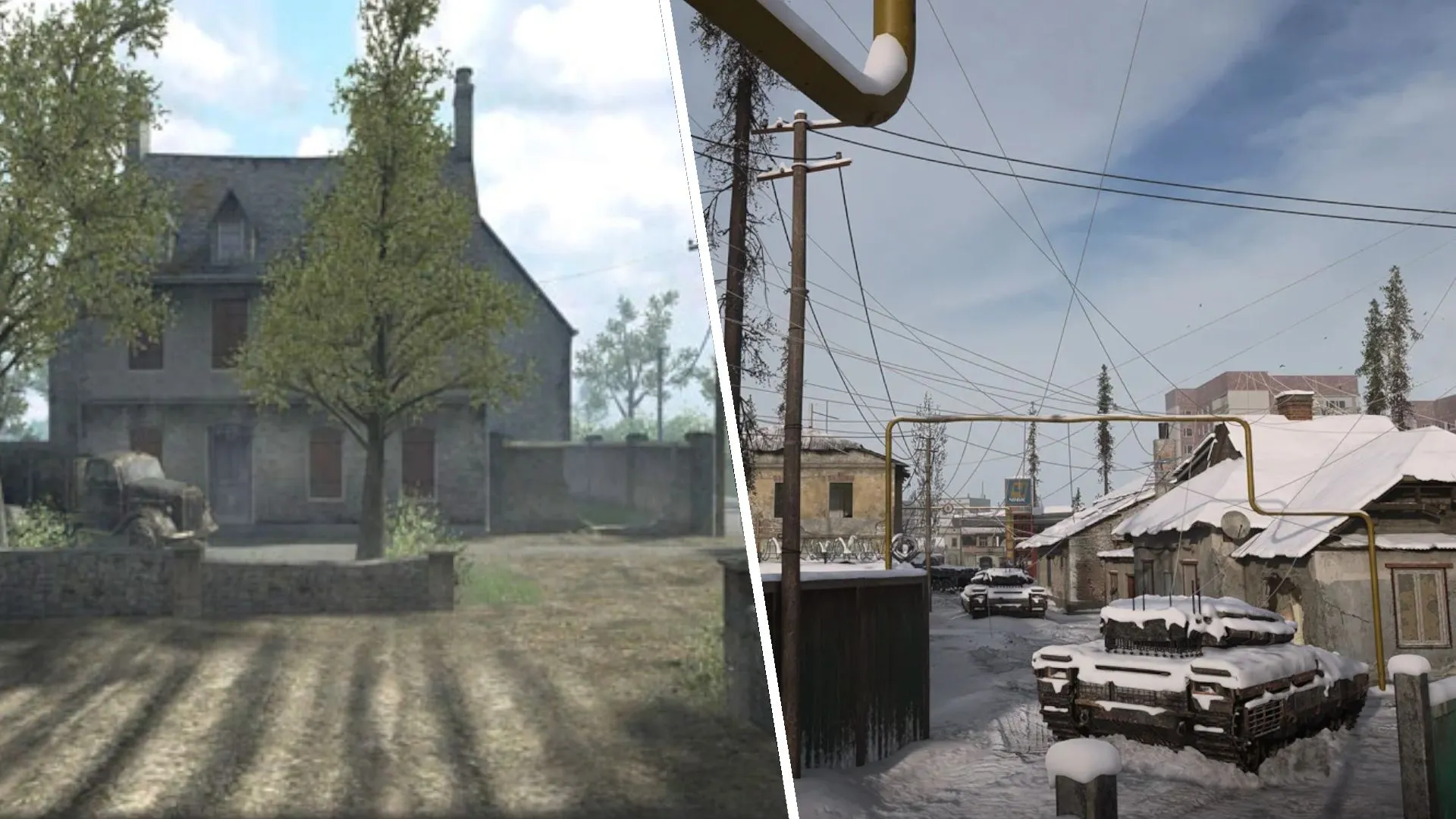
It often feels like the world of video games is a vast, sprawling attic filled with forgotten treasures. But sometimes, the most surprising discoveries aren’t found in new content, but in the ghosts of the past. In the world of Call of Duty, this phenomenon is becoming a fascinating reality, especially when diving into the history of map design.
Recently, a deep dive into upcoming content revealed a startling piece of design history: the new 6v6 map, Backstab, is a dead ringer for a map that graced the scene over twenty years ago. This wasn’t just a casual resemblance; it was a striking echo from Call of Duty 2, specifically the map Burgundy, first introduced way back in 2005.
This discovery forces a fun time-travel thought experiment. Backstab, set in a stark, snowy landscape, seems to pull design DNA from a very different era. Burgundy, by contrast, offered a vision of the French countryside, complete with desaturated green grass and beige brickwork that still manages to look clean and attractive two decades later. It’s a testament to how certain aesthetic choices endure the test of time.
The similarity goes beyond just the visual layout. Designers seem to be pulling recognizable architectural blueprints and strategic layouts from the vault of older titles. While the thematic context has been entirely shifted—moving from a European setting to a potentially Russian or North Korean environment in Backstab—the structural elements remain remarkably consistent.
The original Burgundy was a relatively small map for Call of Duty 2, defined by its two-story buildings that dominated the central courtyard. These structures featured high windows offering strategic vantage points, perfectly positioned for machine gun emplacements and map control. In the context of Backstab, these same buildings are repurposed, likely serving as sniper nests, shifting the dynamic of the battlefield while retaining the fundamental layout.
This practice of recycling and refreshing older, established assets feels different than the usual yearly iterations we see in maps like Nuketown or Shipment. It suggests that the original Call of Duty studios may have been quietly building a rich vault of usable, well-designed environments waiting for a new audience. It’s a refreshing take on video game development, focusing on quality assets rather than simple repetition.
This pattern isn’t isolated. Further evidence suggests a wider trend of revisiting classic map designs across different eras. For instance, maps from earlier installments of the franchise have also been recontextualized; the Modern Warfare 2022 map Taraq appears to be a remake of the original Call of Duty 1 map Neuville. Similarly, the Modern Warfare 2019 map Suldal Harbor seems to draw inspiration from the classic Harbor.
It turns out the history of Call of Duty is filled with well-crafted environments waiting for a fresh perspective. The game continues to prove that nostalgia, when handled with creativity, can lead to some of the most engaging and surprising experiences for players.
Credit
