Mysterious Zen 6 APU benchmarks revealed
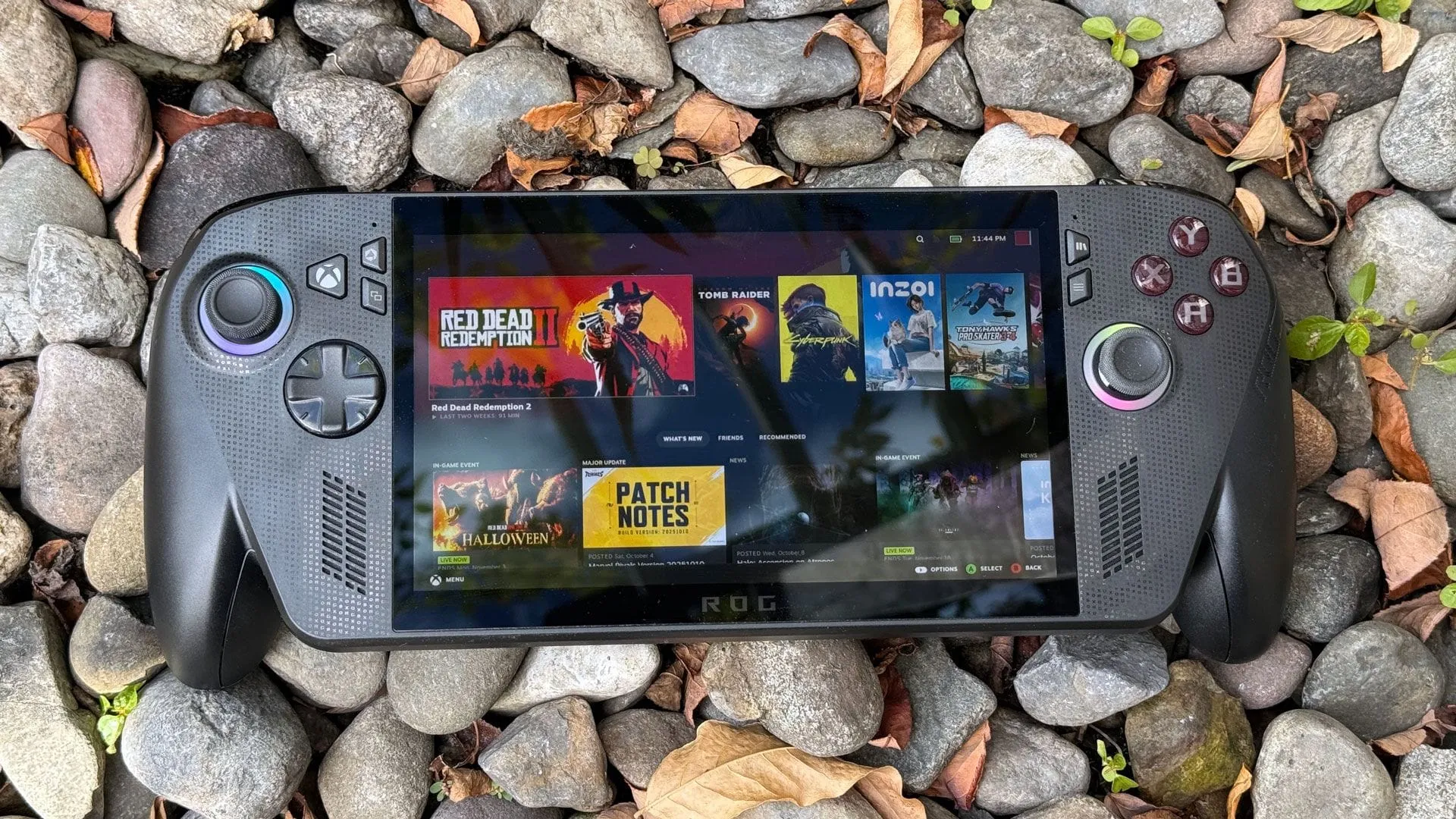
The quest for the next generation of handheld gaming hardware has yielded a tantalizing glimpse into AMD’s future, thanks to a recently surfaced engineering sample. An unconfirmed chip has appeared in public benchmarking listings, sparking intense speculation that it could be the key component for the next evolution of the Steam Deck.
This intriguing sample, tracked via OpenBenchmarking, suggests a potential link to AMD’s forthcoming Gainsborough family of processors. While official confirmation remains elusive, the specifications of the chip promise a substantial leap in performance, setting a high bar for what a future handheld console could achieve.
The raw statistics are already impressive. The processor featured in the sample boasts a six-core, 12-thread design, clocked at 2.4 GHz. More critically, it is paired with a massive 24GB of high-speed LPDDR5 memory, operating at a blistering 9,600 MT/s. This is a significant upgrade when stacked against the current Steam Deck, which utilizes a four-core AMD Zen 2 processor with 16GB of LPDDR5 memory running at 6,400 MT/s.
The jump in memory bandwidth and capacity is substantial. Moving to 24GB of memory and memory speeds nearly 1,000 MHz faster than the existing setup suggests a future where handheld gaming is defined by sheer, uncompromised data throughput.
Beyond the memory, the architectural clues further point toward a next-gen design. Analysis of the chip’s microcode revision and Linux kernel changes indicate that the architecture falls within the range reserved for newer Zen 6 processors. This hints that the Gainsborough family could introduce AMD’s next-generation CPU architecture to the portable gaming market.
While the details of whether this will feature standard Zen 6 cores or the denser Zen 6C variant are still under speculation, the potential for an upgrade is clear. This engineering sample suggests a powerful foundation for performance that could redefine mobile gaming experiences.
The integrated GPU also contributes to the picture. Though its exact architecture remains a closely guarded secret, performance tests on development platforms yielded results that are promising. Scores across various benchmarks indicate strong graphical potential, though performance in a finalized handheld device will depend heavily on cooling solutions and driver maturity.
Ultimately, while this engineering sample provides compelling evidence of AMD’s next-gen roadmap, it remains a tantalizing rumor. Until AMD or Valve officially confirm a connection between the Gainsborough family and a future Steam Deck, the community must view these results with enthusiasm but remain grounded, waiting for the official blueprint.
Buy on Amazon
Credit
