Nintendo vs Sony Physical vs Digital Gaming Future
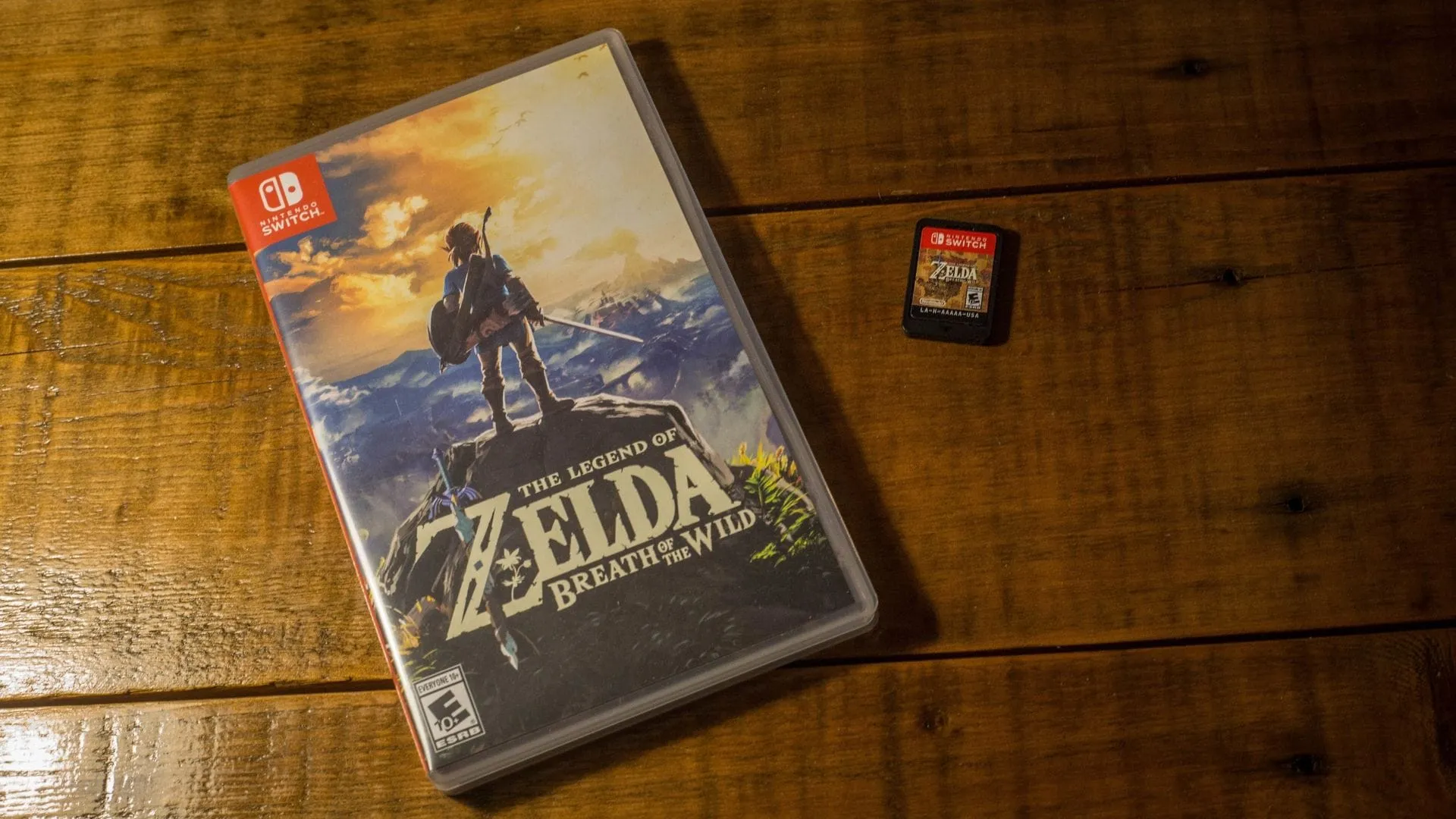
In the ongoing battle between physical ownership and the digital realm, a fascinating divergence is occurring in the gaming industry. While major players like Sony are leaning toward phasing out physical game discs, Nintendo is firmly holding the line, confirming that the company has no intention of abandoning the beloved cartridge format. This commitment to physical media represents a philosophical stance that has quietly become a crucial counterpoint to the relentless march toward digitalization.
This approach is rooted in pragmatism. In an interview, Bill van Zyll, Nintendo’s VP and General Manager for Latin America, solidified the company’s position, emphasizing that they remain agnostic. Nintendo chooses its direction based on what the consumer prefers, factoring in their existing ecosystem and the popularity of physical media. With a platform like the Nintendo Switch and the upcoming Nintendo Switch 2 already offering both digital and physical access, the decision is less about elimination and more about offering comprehensive choice.
The core issue with purely digital purchases lies in the concept of ownership. When you buy a digital game, you are essentially purchasing a license to access the content, rather than owning the physical item itself. This fundamentally changes the relationship between the consumer and the product. While some digital storefronts offer DRM-free downloads, true, tangible ownership remains the dream for many fans.
However, even physical media faces inevitable evolution. As AAA game releases balloon in size, traditional cartridges and discs simply cannot keep up with the massive storage demands. To bridge this gap, Nintendo has introduced innovative solutions, such as game-key cards for the Nintendo Switch 2. These physical cards act as licenses, allowing users to download the full game data onto their system. This model cleverly maintains the physical element—allowing these cards to be traded and sold like traditional cartridges—while accommodating modern storage requirements.
This creative compromise is essential for the future of physical gaming. It acknowledges the reality that while digital distribution is dominant, the desire for tangible, collectible gaming experiences persists. For Nintendo, this strategy allows them to support physical releases while keeping pace with the technical demands of massive games like Grand Theft Auto VI and Black Myth: Wukong.
The economic reality of this shift is also visible in pricing. Physical versions of Nintendo’s first-party titles are currently priced approximately $10 more than their digital counterparts. Nintendo frames this adjustment not as an increase, but as a way to pass savings from manufacturing, packaging, and distribution costs directly to the consumer. As Nintendo plans for the Switch 2 to offer a lifespan of about six to seven years, their continued support for physical media ensures that the tangible experience remains a central, cherished part of the gaming landscape.
Buy on Amazon
Credit
