NJ forces AI data center shutdown for record fine
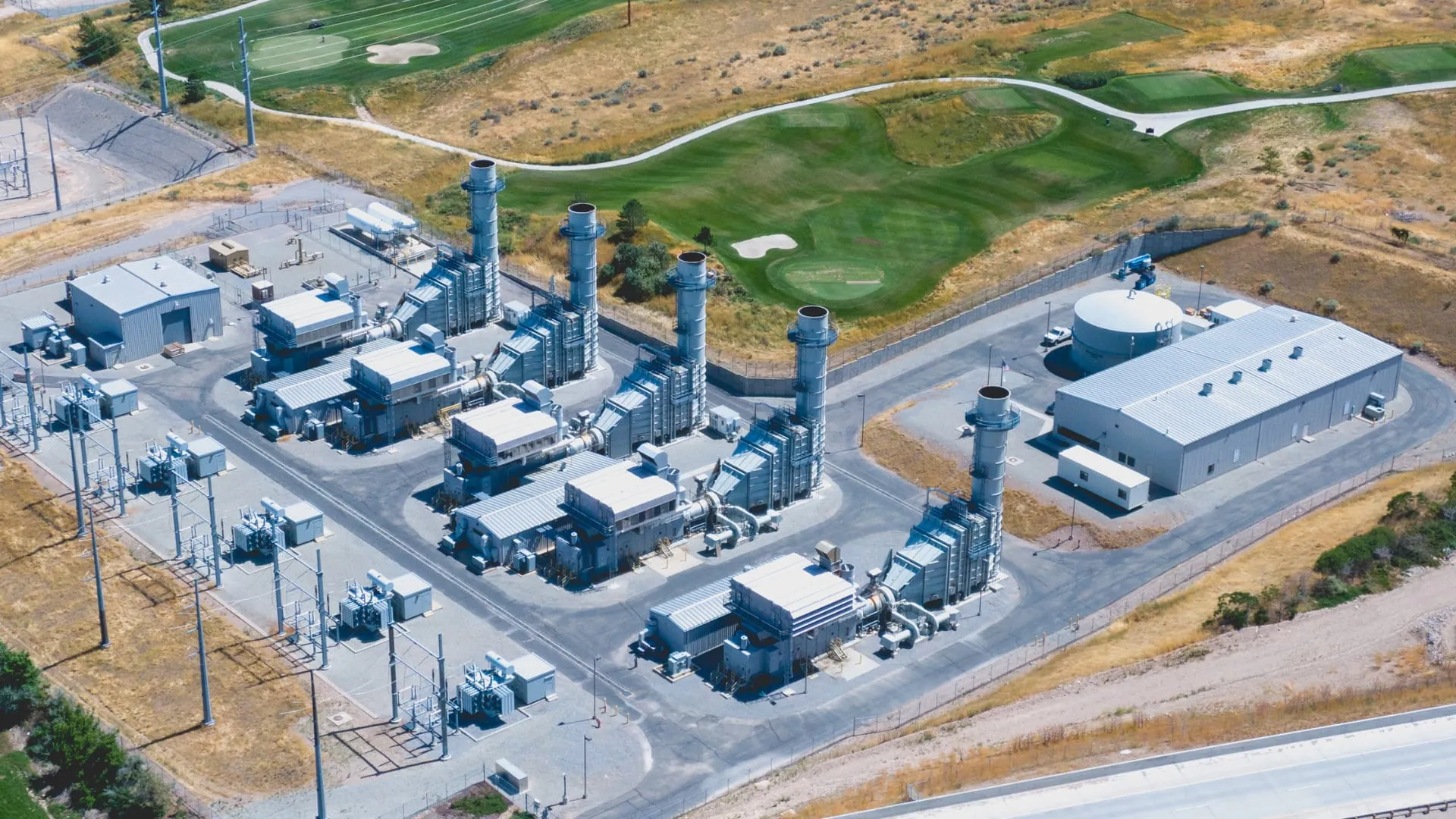
In the heart of New Jersey, a massive fine has landed on the DataOne data center, illustrating the ongoing tension between technological progress and community accountability. The facility was hit with a record $1.07 million penalty for operating unpermitted portable generators on the construction site.
This penalty is the latest in a series of complaints that have surfaced over the DataOne development in Vineland. State inspectors discovered that 62 of these units were running in late July, prompting a public reckoning about how large-scale technological infrastructure intersects with local residential life.
The friction surrounding the project began long before the inspectors arrived. Residents had voiced concerns at a February town hall meeting, raising flags about broader issues, including the unpermitted construction of a 1.5-million-gallon LNG tank and unacceptable noise levels that impacted homes within a half-mile radius.
A major source of frustration for the community was the feeling that public consultation was minimal. Many residents felt they were only learning about the data center’s construction after major corporate deals, such as Microsoft’s $33 billion agreement with Nebius, had already been announced, suggesting a lack of genuine dialogue before the project gained momentum.
When faced with the penalty, many locals felt the resulting fine was an insufficient measure of responsibility. Longtime community members expressed a sentiment that the fine was merely a “drop in the bucket” for a company with billions in capital, arguing that the punishment should reflect the scale of the environmental and social disruption caused.
The company, DataOne, countered the situation by stating its intent to apply for the necessary air permits for the temporary generators and commit to transitioning away from the polluting portable turbines to more modern fuel cells. New Jersey subsequently ordered the company to comply with permitting requirements and cease using the generators within 45 days.
However, the legal landscape surrounding corporate power and environmental impact is complex. This situation echoes similar concerns faced by other entities. For instance, the citizens of Memphis and Southaven dealt with a comparable scenario when SpaceXAI deployed unpermitted generators for its Colossus 2 data center.
That case sparked significant community outrage, particularly as residents worried about the potential for the machinery to spew thousands of tons of pollutants into primarily Black neighborhoods. Though a lawsuit was filed, the Department of Justice ultimately asked the court to dismiss the case, noting that the site supports “mission-critical operations.”
Ultimately, the history of these large-scale infrastructure projects suggests a continuing challenge: balancing the relentless pursuit of technological innovation with the fundamental requirement of fair environmental stewardship and meaningful community input. Whether it is a data center in New Jersey or a massive AI deployment in Mississippi, the discussion about accountability remains a pressing public issue.
Buy on Amazon
Credit
