Normalize RTS DLC after Warcraft 3’s silence
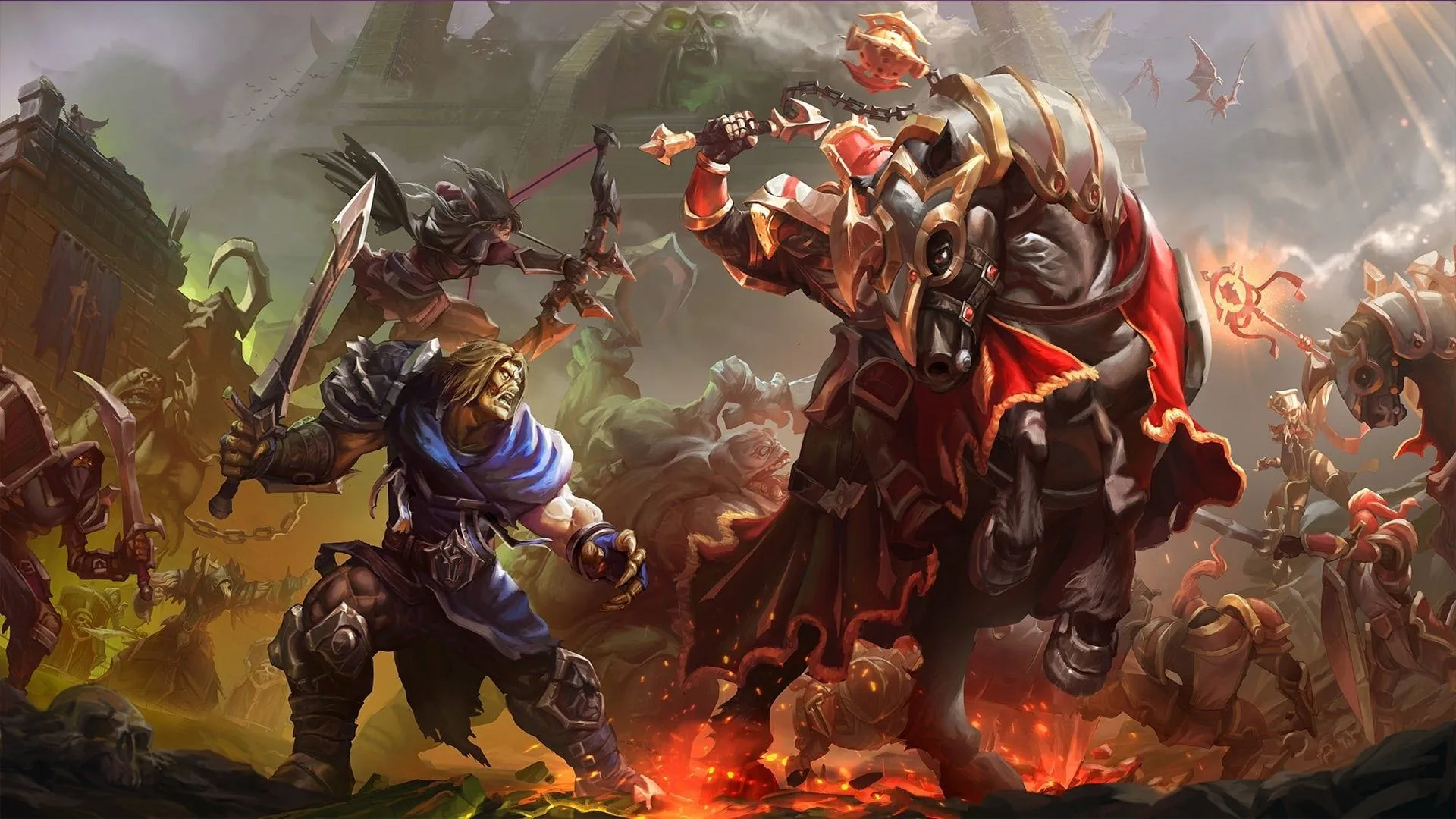
There is a fascinating trend unfolding in the gaming world: beloved classics are getting a second chance. Developers are increasingly turning their attention to older, iconic titles, rolling out new expansions and content that taps directly into the powerful current of nostalgia. It makes perfect sense, especially when you consider the long tail of success enjoyed by yesterday’s blockbusters.
We are witnessing this phenomenon across genres. Games like The Witcher 3 are continuing to generate buzz, with expansions like Songs of the Past proving that the appetite for deep, immersive worlds never fades. Similarly, titles like Cyberpunk 2077 and Baldur’s Gate 3 are positioned perfectly for future DLC, knowing that the collective memory surrounding these games guarantees sustained interest for years to come.
This pattern extends beyond massive RPGs and shooters, reaching even older franchises. Games like Quake and the recent addition of new episodes, or the planned remaster of the Thief campaign, demonstrate that the appeal of retro gaming is powerful. The core idea is simple: capitalizing on established memories and familiar mechanics to create new, engaging content.
Perhaps the trend is most telling when we look at the Real-Time Strategy (RTS) genre, a category that has often languished in a state of creative stagnation. The RTS genre, in particular, lends itself perfectly to this approach. While some games face disappointment, others, like Age of Empires 2, remain immensely popular, proving that the core experience is timeless. This persistence suggests a ripe opportunity for developers to inject fresh life into these enduring classics.
The introduction of new content into established RTS titles proves this theory. The Warcraft 3 Reforged: Forsaken Kingdom expansion, for instance, generated significant excitement, demonstrating that fans crave new narrative content even from games that are decades old. This approach works because it respects the legacy while offering something genuinely new, such as new factions, missions, and maps, which can reignite engagement.
Taking the idea further, the strategy genre has plenty of material to breathe new life into. Whether it’s through a successful remaster like Dawn of War: Definitive Edition, which has found a solid audience, or through the potential for smaller, focused expansions—like adding new faction mods or mission packs to older titles—developers can ethically cash in on the collective memory of players. It allows the community to revisit cherished worlds with a fresh, nostalgic spin.
Ultimately, the trend suggests that looking to the past isn’t just about nostalgia; it’s a valid creative path. By offering new content to these deep-rooted classics, developers can foster a healthy, engaging ecosystem around games that have already proven their enduring appeal. The deeply dadcore RTS is simply too established to ignore, and perhaps, too wonderfully nostalgic to leave untouched.
Buy on Amazon
Credit
