Norwegian cable bypasses US to link Canada and Europe
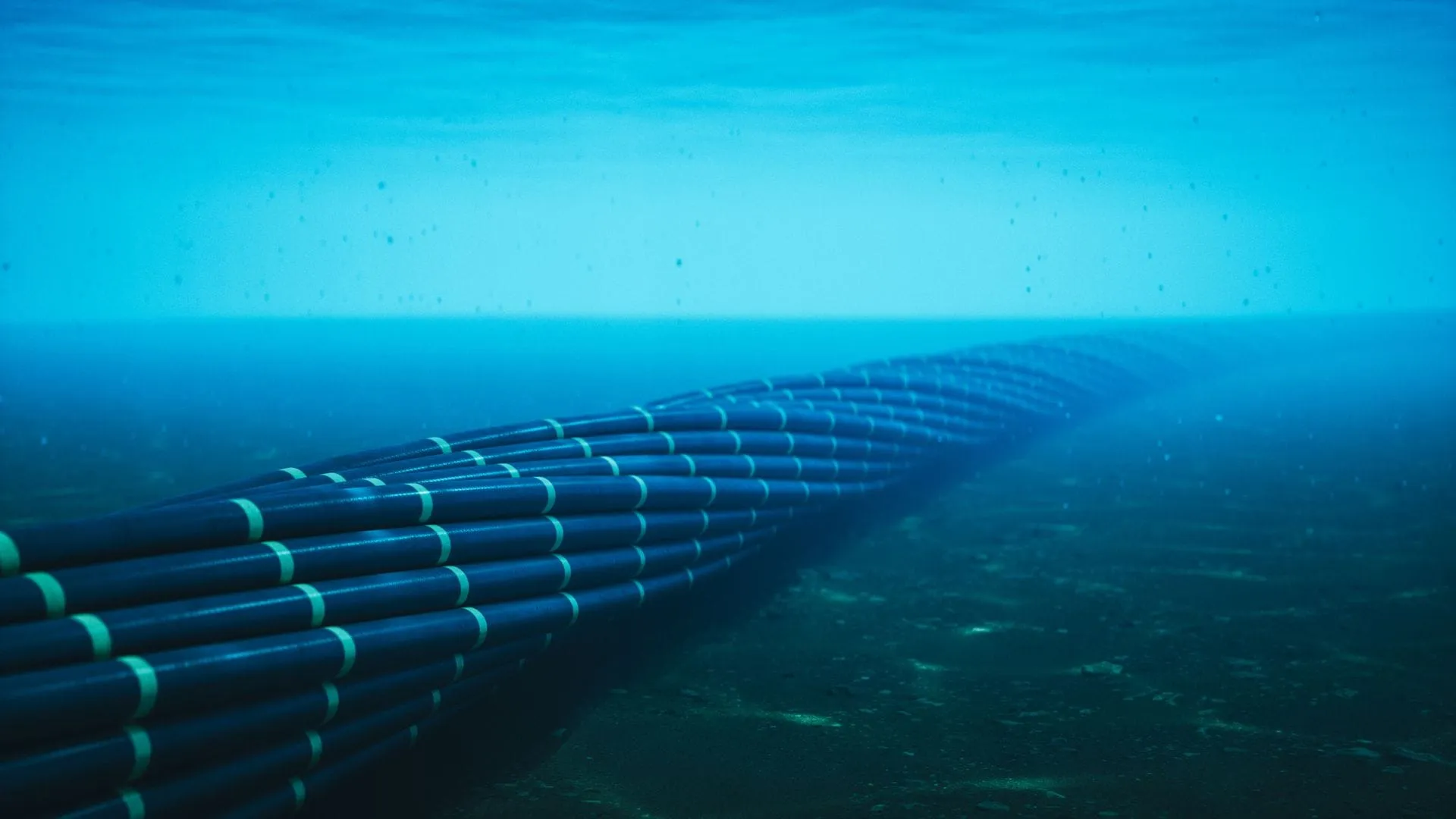
Unlocking Digital Sovereignty: The Quest for a Transatlantic Cable That Bypasses the United States
In a landscape increasingly defined by shifting geopolitical alliances, the digital frontier is becoming the new battleground. A massive infrastructure project is emerging from the friction between North America and Europe, aiming to redraw the map of global data transmission: Project Leif Erikson. This ambitious endeavor seeks to lay a direct undersea cable linking Canada and Europe, entirely bypassing the United States.
Driven by growing concerns over geopolitical tensions between Washington and Ottawa, the project is positioned not just as a technological leap, but as a strategic move toward digital sovereignty for Canada. It is an effort to establish a self-reliant, secure, and high-capacity data route, essential for fueling the demands of the AI, telecom, and hyperscale markets.
The vision for the cable is staggering in scale. Project Leif Erikson would stretch over 2,800 miles, beginning at the southern tip of Norway and culminating in Happy Valley-Goose Bay in Canada’s eastern province of Newfoundland and Labrador. The proposed route would delve beneath Canadian territory, threading through Quebec before reaching Montreal, creating a powerful new digital artery between the continents.
At the heart of this initiative is the Norwegian company Bulk, whose co-founder, Peder Nærbø, is spearheading the effort. Bulk has already laid over 6,200 miles of cable locally and at sea, demonstrating deep expertise in underwater infrastructure. Nærbø believes that the current geopolitical situation has underscored a critical need for this kind of resilient connectivity, asserting that the escalation of relations with the United States has made the development of a truly independent cable system imperative.
While the goal is ambitious, the project faces significant hurdles. The route demands an additional 1,180 miles of challenging underground cabling through Canada, which will require careful negotiation and support from Indigenous communities. Furthermore, securing the necessary financing is a monumental task, with estimates suggesting the total cost to build the system could exceed $620 million.
Despite these challenges, the momentum behind Project Leif Erikson is undeniable. It represents a strategic alignment between Canada and Europe, signaling a shared commitment to enhancing digital links across the North Atlantic and Asia. This cooperative vision is seeking endorsement from both continents to establish a new framework for subsea cable infrastructure.
The pursuit of this continental link is part of a broader European strategy to diversify its global connectivity. Other European efforts, such as plans for undersea cable projects at the North Pole aimed at linking Europe with Asia, underscore a wider push to secure alternative, resilient routes outside of existing geopolitical constraints, positioning digital infrastructure as a critical tool for future global relations.
Buy on Amazon
Credit
