Nuvacore unveils unconventional Core First CPU design
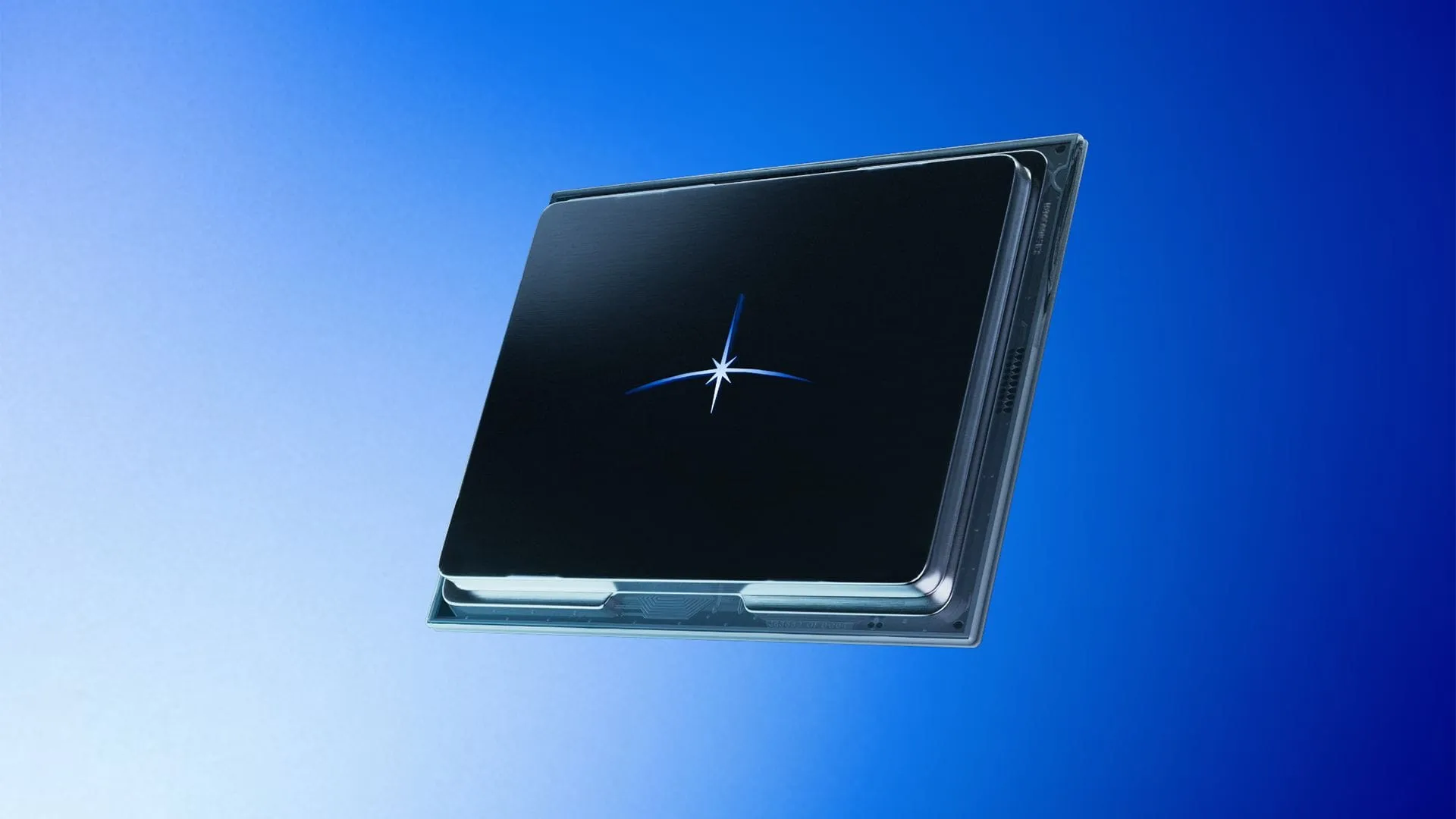
When Nuvacore, a startup born from the minds of legendary CPU and system architects Gerard Williams, John Bruno, and Ram Srinivasan, emerged, it promised to rewrite the rules of silicon. But instead of simply stating the blueprint, the company revealed a revolutionary development approach that fundamentally changes how high-performance processors are designed.
Nuvacore is taking an unusual path: they are designing the foundational CPU intellectual property before locking down a specific instruction set architecture (ISA). This decision is not arbitrary; it is a strategic move to separate the core engineering from the architectural decision.
Traditionally, processor development begins by selecting an ISA, such as Arm, RISC-V, or x86. While modern processors separate instructions from execution pipelines, the ISA still heavily influences crucial architectural decisions—how instructions are decoded, how registers are handled, and the overall compatibility of the system. It is like trying to build a car by forcing an engine into an already developed chassis.
Nuvacore’s Core First approach reverses this process. Rather than being constrained by a pre-existing ISA, the team is developing the core CPU IP independently. They are focusing on optimizing the microarchitecture—the execution units, data paths, caches, and memory subsystem—for maximum performance, power efficiency, and sustained workloads required by modern data centers and AI infrastructure.
This strategy allows engineers to focus purely on optimizing the core itself, rather than iterating from the constraints of an existing architecture. They build the engine first, knowing that the instruction set will be tailored to the ultimate application, rather than dictating the initial design.
While there are limits to this independence—the front-end logic will eventually need to align with a chosen ISA—Nuvacore is making substantial progress. They are able to develop and evaluate major components before making final decisions on instruction set implementation.
Crucially, this approach offers massive commercial flexibility. By keeping the WarpCore technology ISA-agnostic, the company opens the door for diverse partnerships. An Arm licensee could use the core technology for an Arm implementation, while another partner could utilize RISC-V or another ISA. An established x86 vendor could potentially acquire the underlying microarchitecture to create their own x86 processors.
This flexibility means the technology’s value is not tied to a single market, potentially broadening the number of entities that can leverage the core technology. While Nuvacore has yet to disclose its final ISA choice or timeline, the Core First announcement signals an ambitious attempt to decouple cutting-edge microarchitecture design from the rigid constraints of traditional processor development.
Credit
