Nvidia AMD battle for Meta’s AI future
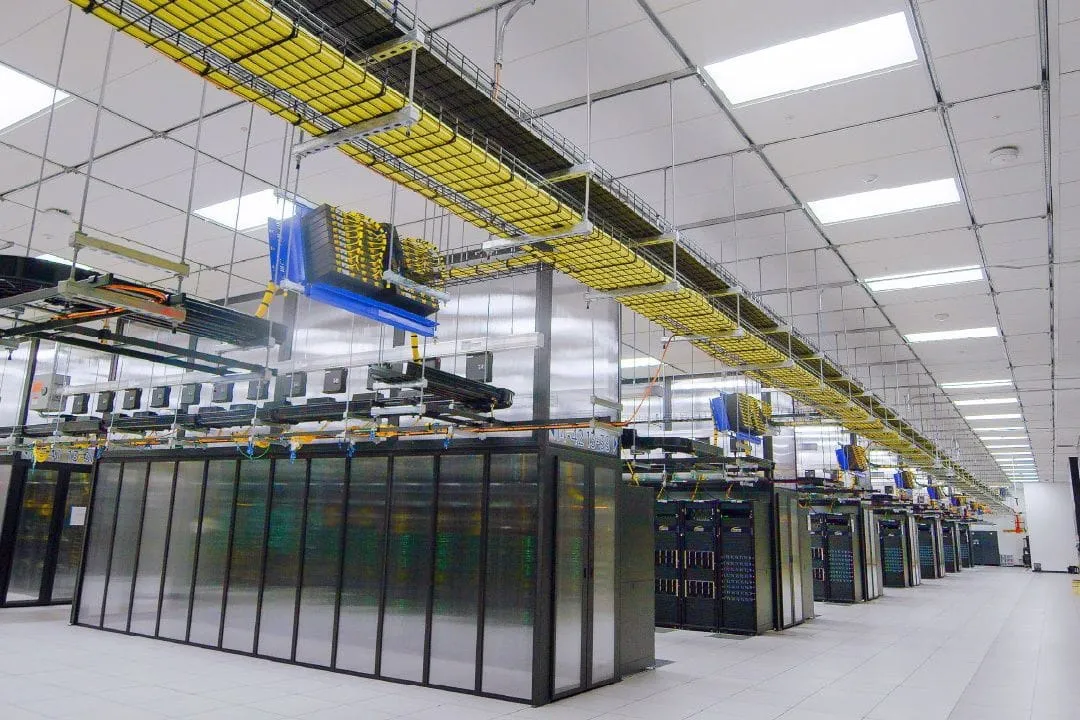
The world of artificial intelligence isn’t just evolving; it’s undergoing a spectacular, multi-billion dollar infrastructure overhaul. This week, the giants of computing—Nvidia, AMD, and Meta—have locked horns in a massive strategic partnership, pouring billions into one another to fuel the fire of the AI revolution. It’s a clear signal: the race to build the future is now a race to build the fastest, smartest systems possible.
Nvidia, the undisputed leader in AI hardware, deepened its alliance with Meta, focusing on expanding their collaboration around the Muse and Muse family of models. This synergy extends beyond pure processing, touching on advanced networking and security solutions, demonstrating how foundational technology is being integrated into the very core of artificial general intelligence.
Simultaneously, AMD has entered the fray, solidifying its role as a critical compute engine. The partnership with Meta involves collaborating on CPUs, GPUs, networking, and software necessary to power Meta’s leading frontier models. AMD is providing the foundational compute infrastructure, ensuring that the next generation of AI can run seamlessly.
The financial commitment underscores the gravity of this collaboration. Nvidia is investing $3 billion into Meta, while AMD has committed $1 billion. Together, these two companies are channeling a staggering $4 billion into Meta, positioning AI infrastructure as the single biggest economic bet in U.S. history. It’s a reflection of how essential these partnerships are in establishing the backbone of superintelligence.
This intense corporate spending is rooted in the belief that AI is the key to an unprecedented economic boom. As market participants look at the massive capital deployment, the sheer scale of investment suggests a powerful, unstoppable momentum. However, this optimism must be balanced against the current reality of the hardware constraints.
The AI boom is running up against some very tangible bottlenecks. The demand for processing power is sucking up resources at an alarming rate, creating severe pressure on the memory and storage sectors. For gamers and developers alike, this translates into a painful reality: the cost of high-capacity memory, graphics cards, and solid-state drives has skyrocketed, creating a palpable memory crisis.
While the narrative around AI’s potential continues to soar, the economic reverberations and technological demands are hitting the supply chain hard. The investment frenzy, while exciting, raises questions about the sustainability of this growth and the potential for wider economic repercussions. The future of AI hinges not just on groundbreaking models, but on finding a sustainable, affordable way to build the physical infrastructure required to support them.
Credit
