Nvidia denies RTX 5090 is dead despite shortages
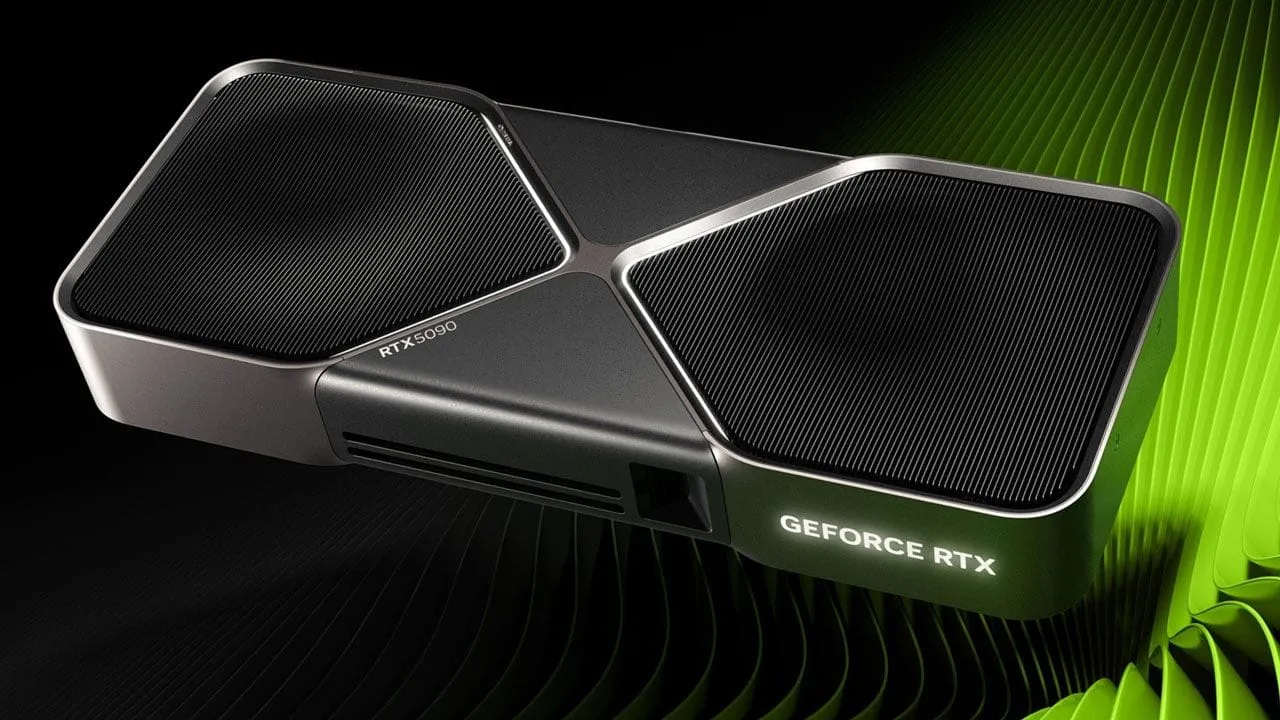
The high-speed world of graphics cards is currently grappling with a peculiar paradox: while the promise of next-generation gaming hardware burns brightly, the actual production line seems to be operating under a series of frustrating holds and strategic shifts. Gamers holding onto hope for a stable market have recently seen those expectations dashed by news hinting at significant bottlenecks and a major pivot in corporate focus.
Rumors have been swirling for some time about the RTX 50 Super series, yet the timeline has stalled. The chief obstacle appears to be the escalating cost of critical components. Specifically, the price of 3GB GDDR7 modules has reportedly tripled the cost of the 2GB modules, creating an insurmountable hurdle for mass production and stability.
This supply chain snag has also cast a shadow over the much-anticipated RTX 5090. Reports suggested that production for this sought-after flagship card was being halted. The rationale behind this pause is clear: Nvidia is reportedly redirecting its precious silicon manufacturing capacity toward the booming AI data center and professional GPU markets, suggesting a deliberate prioritization of high-demand enterprise applications over consumer gaming.
Despite the internal maneuvering, Nvidia’s leadership has offered a reassuring, if typical, corporate stance. Senior Vice President Jeff Fisher reportedly clarified that the RTX 5090 is not being discontinued and will continue to be shipped. This statement, while necessary for maintaining market confidence, follows a period where official comments from the company remained scarce despite numerous inquiries from tech websites.
This information, originating from reports citing internal sources, highlights the immense pressure the company is under. While supply capacity is constrained, the narrative remains that Nvidia is aggressively pushing to get the product to market, balancing the demands of the gaming community with the imperatives of the rapidly expanding artificial intelligence sector.
The market reality, however, seems to diverge from the corporate reassurance. A cursory look at retail listings reveals a significant disparity between the product’s rumored value and its actual market price. On platforms like Amazon, the RTX 5090 is listed around $8,500 from third-party sellers. Newegg lists similar cards for about $7,300, with shipping times suggesting potential sourcing from international vendors. Furthermore, the addition of U.S. tariffs would only further inflate these already premium prices.
Perhaps the most telling indicator of the current situation is the card’s absence from Nvidia’s own marketplace and Micro Center inventory. This suggests that even with verbal assurances of continued production, the official retail channels are not yet reflecting the product’s availability to the end consumer.
Meanwhile, competitors are also locked in a similar high-stakes race. Intel and AMD have both publicly committed to refreshing their consumer GPU lineups, signaling that the battle for mainstream gaming hardware is far from over. Yet, the focus remains squarely on the AI dividend, as all major players are doubling down on AI-centric launches without new consumer GPU announcements, keeping the competitive spotlight firmly on the silicon giants.
Buy on Amazon
Credit
