Nvidia denies warranty over faded serial number on $6,500 GPU
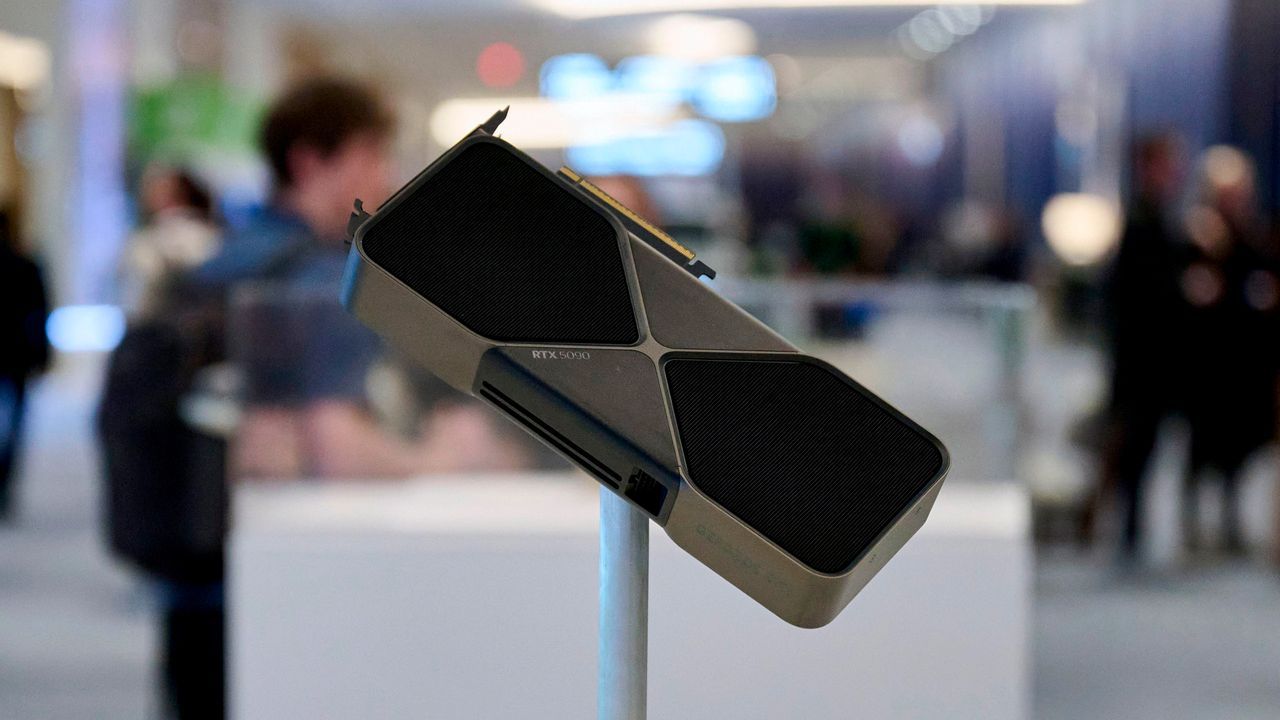
The pursuit of the best graphics card often leads us to the cutting edge, and nothing feels more futuristic than the GeForce RTX 5090. It is the undisputed king of visual performance, promising unparalleled fidelity for the most demanding games and professional applications. Yet, as we celebrate this technological pinnacle, some owners are finding that the warranty process itself can be as frustratingly complex as rendering a complex ray-traced scene.
The central conflict revolves around a surprisingly mundane detail: the serial number etched onto the metal bracket of the Founders Edition (FE) card. For some consumers, this detail has become a headache, turning a standard warranty claim into a protracted battle over faded ink.
One user, Willing-Avocado-4830, based in the UK, experienced this frustration firsthand. After sending their RTX 5090 FE for a warranty claim, they were met with thirty days of radio silence. When they finally received a response, the request was rejected without clear justification. The reason? The serial number printed on the bracket was no longer readable.
Seeking clarification, the user reached out to Nvidia support. The issue was apparently due to the fading of the ink, not user error. This situation is not an isolated complaint; other owners across online forums have reported similar issues.
The root of the problem lies in the material and the printing method. The metal bracket is susceptible to dust buildup, oxidation, and corrosion over time, which inevitably causes the surface to look dirty or discolored. Since the serial number is printed onto the bracket rather than laser-etched into the metal—a design choice that provided durability for previous generations like the RTX 4090—the ink is vulnerable to fading.
This realization highlights a subtle but significant difference between generations. Whereas previous cards featured laser-etched serial numbers, making them inherently more resistant to environmental degradation, the FE design relies on printed markings. This vulnerability explains why the serial number on the bracket might disappear, even when the card itself remains perfectly functional.
Nvidia has offered reassurance, pointing out that the serial number is easily verifiable through other means. Technicians can confirm the card’s identity by examining the modular PCIe connector, and the serial number can be pulled directly from the hardware using the Nvidia SMI (System Management Interface).
While some suggestions have circulated online—like cleaning with isopropyl alcohol or using heat-resistant tape—the core issue remains the fading ink. Interestingly, another user experienced a similar snag with their RTX 5090 FE, but their claim was eventually accepted after they provided photographic evidence of the original packaging, which corroborated the serial number.
This saga underscores a broader reality for high-end hardware enthusiasts. Owners of flagship GPUs already grapple with complex issues, from managing melting power connectors to ensuring system stability. Now, they must navigate the less glamorous challenges of faded serial numbers, adding another layer of complexity to owning the latest gaming powerhouse.
Buy on Amazon
Credit