Nvidia GPU prices spike in Japan 41% higher than US
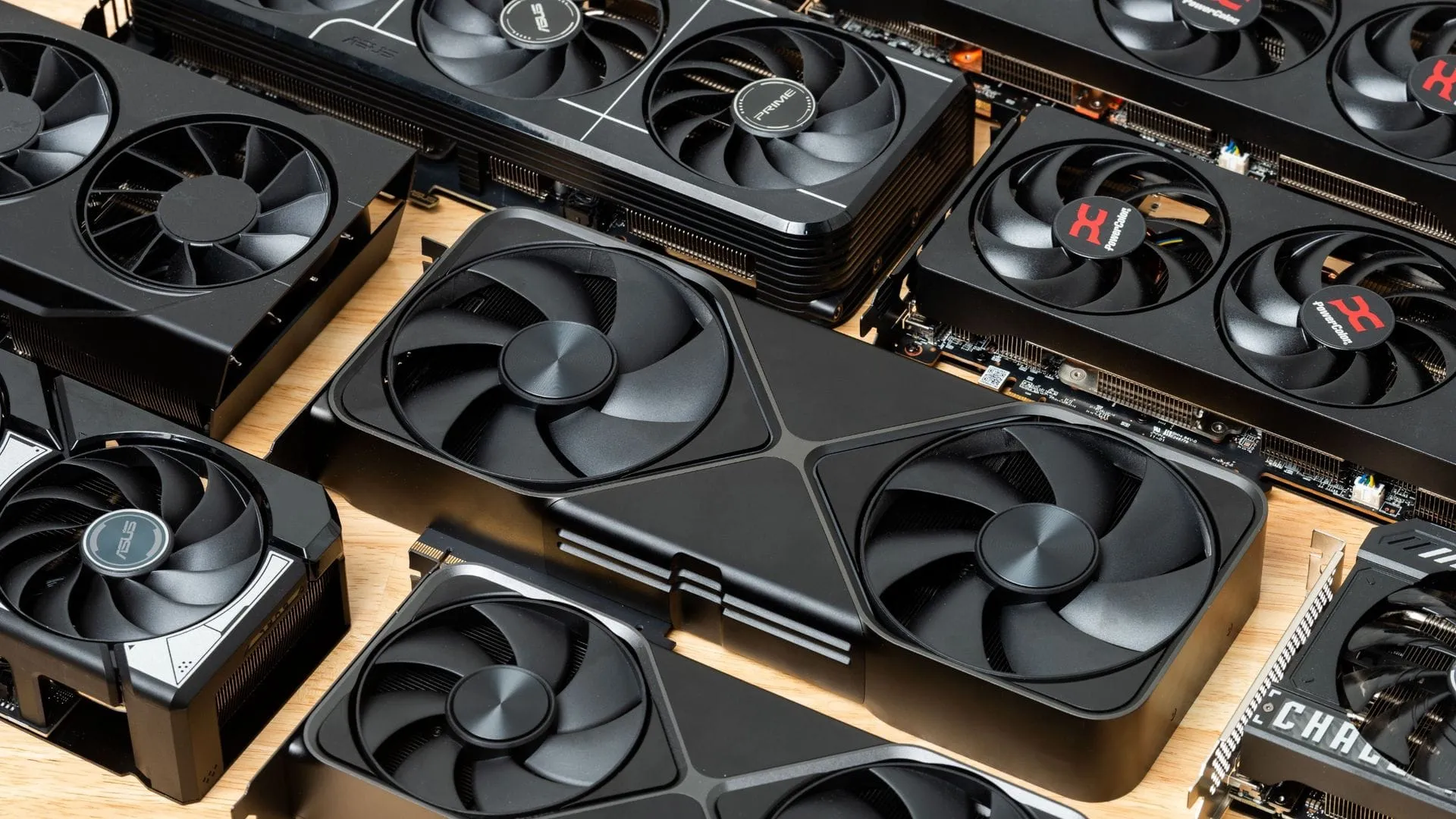
The GPU Gauntlet: How Global Scarcity is Redefining the Price of the Next-Gen Gaming Cards
The hunt for the next generation of gaming graphics cards has become less about pure performance and more about navigating a brutal global supply chain. Recent data, shared by a Redditor tracking prices in Japan, reveals a stark reality: the cost of cutting-edge Nvidia RTX 50-series GPUs is skyrocketing, setting up a challenging landscape for gamers worldwide.
When comparing retail prices for some of the best gaming GPUs, prices observed in the Japanese market are floating between 5.66% and a staggering 41.10% higher than what can be found on US Amazon listings. This discrepancy isn’t just a mathematical footnote; it reflects a massive shift in how high-end hardware is being produced, driven by a perfect storm of demand and supply constraints.
This price volatility is rooted in several macro factors. The industry is currently grappling with a serious memory chip shortage, coupled with an overwhelming demand for AI compute. In response to this intense pressure, Nvidia has reportedly pivoted its production strategy, halting the manufacture of flagship cards like the RTX 5090 to prioritize AI data center and professional GPUs, creating a palpable supply drought for consumers.
This scarcity has spilled over into the secondary market, where third-party sellers are demanding astronomical prices—some even asking nearly $10,000 for the fastest GPUs. The shared photographic evidence suggests that retailers may no longer have the high-end graphics cards in stock, forcing consumers to compete in a market defined by scarcity and inflated costs.
The disparity is most dramatic when looking at the mainstream and high-end models. For the RTX 5080 series, the price difference averaged around 12.71%, while the RTX 5060 Ti 8GB saw an even more dramatic jump, hitting up to 41.10%. This trend holds true across the board, indicating that while the Japanese market is typically more expensive, the cost hikes are universally felt.
A detailed comparison of the pricing shows that these differences can be further amplified by local taxation, meaning the actual price hike experienced by gamers in high-tax states can range between 3.88% and 30.04%. For example, the price gap between a specific RTX 5080 model in Japan and the corresponding US Amazon listing varied significantly, often exceeding 35% for high-end variants like the Asus ProArt series.
This movement is more than just a local market fluctuation. Observing these trends has given us a hopeful, yet urgent, perspective on the global GPU market. When Japanese shops began rationing essential components like SSDs and RAM earlier in the year due to shortages, it signaled a wider global bottleneck. These price increases are highly plausible given the current chip shortage, but they also serve as a potential harbinger for the wider international market.
While the immediate concern is the higher cost for gamers in Japan, the key takeaway for the global community is the inevitability of inflationary pressures. If this pricing trend continues to travel westward, it signals that the scarcity faced by PC builders is not a temporary blip but a long-term characteristic of the current hardware environment. For those on the hunt for a new graphics card, the message is clear: tracking the market is no longer optional—it’s essential to securing the best possible deal before the next wave of supply catches up.
Credit
