Nvidia halts 5090 production to prioritize AI GPUs
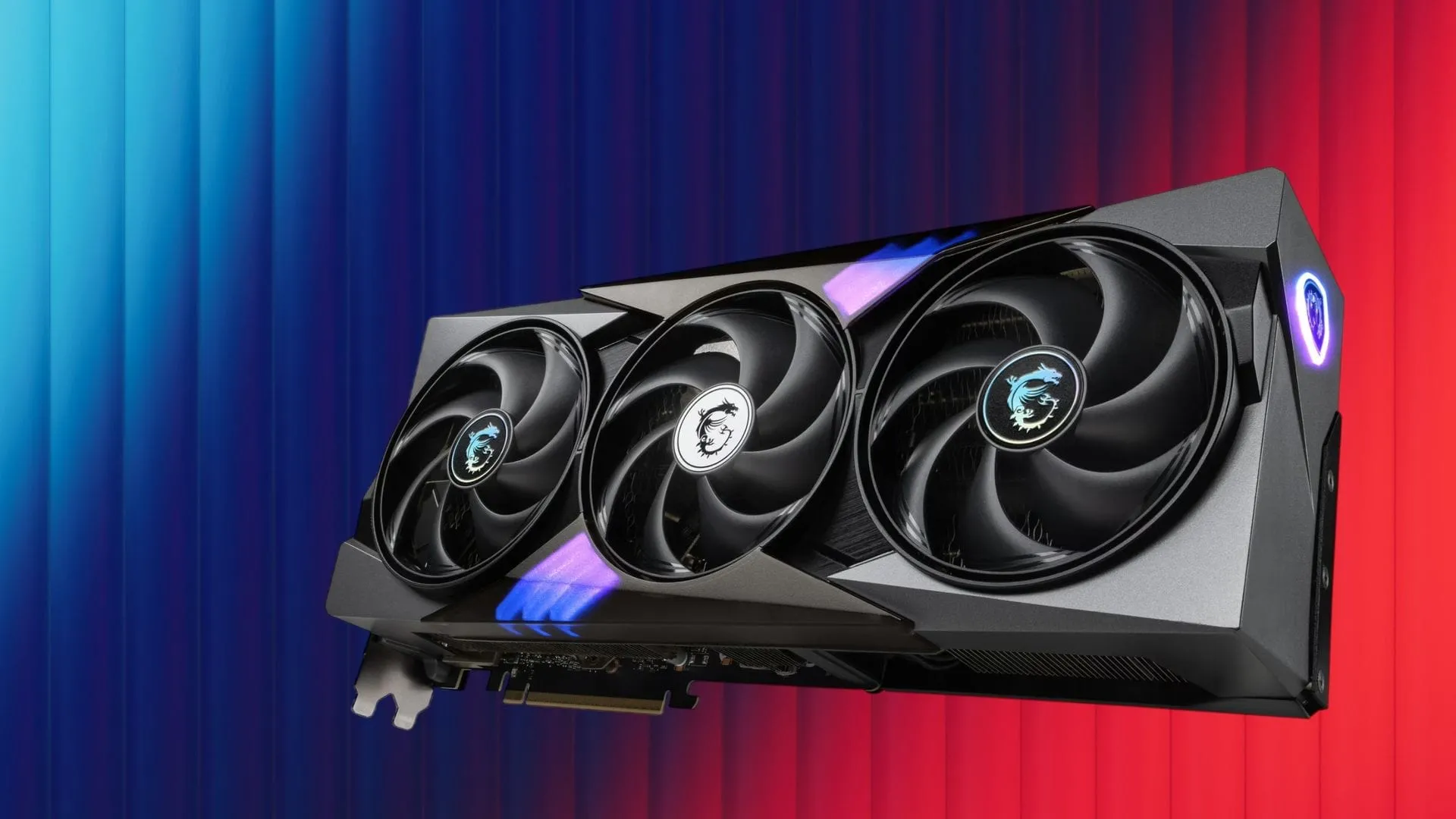
The high-speed world of graphics processing is currently experiencing a seismic shift, driven not by new game titles, but by strategic decisions made deep within the semiconductor giants. Whispers from the factory floor suggest that Nvidia is recalibrating its focus, pushing its advanced silicon away from the consumer gaming market and toward the far more lucrative realm of data centers and professional AI applications.
Reports circulating from an anonymous source indicate that Nvidia has reportedly ceased manufacturing the GB202 graphics processors for consumer-grade GeForce RTX 5090-series add-in-boards (AIBs), including specific variants marketed in the Chinese market.
The strategic move, if true, signals a clear prioritization of market segmentation. Instead of catering solely to the gaming segment, Nvidia is reserving its most powerful silicon for specialized workloads where the return on investment is significantly higher. The new directive specifies that the GB202 architecture will henceforth be exclusively allocated to data center and professional graphics cards.
This shift makes keen economic sense. Nvidia’s professional accelerators, such as the RTX Pro 5500, already offer immense power—featuring the same number of CUDA cores as the consumer-focused GeForce RTX 5090, but providing vastly more memory (84GB of GDDR7) and targeting high-end professional visualization and AI tasks. Meanwhile, flagship professional cards like the RTX 6000 Pro, boasting over 24,000 CUDA cores and 96 GB of memory, command premium prices.
By redirecting the GB202 processors away from consumer GeForce products, Nvidia effectively prevents these relatively inexpensive gaming cards from competing directly with its superior professional accelerators in the booming AI sector. It is a calculated maneuver to channel its manufacturing capacity toward higher-margin products without abandoning the enthusiast gaming space entirely, especially since the RTX 5080 and RTX 5090 lines currently lack direct consumer rivals.
While this change may not be instantaneous, the market implications are already being felt. Although inventory of existing RTX 5090 boards may sustain availability for a time, the cessation of new GB202 processor supply will inevitably lead to a decline in the availability of the RTX 5090 cards, which will subsequently impact pricing for all AIBs.
Looking ahead, this refocus may also pave the way for a refreshed consumer lineup. There are strong indications that Nvidia is preparing to release GeForce RTX 50 Super cards, potentially including an RTX 5080 Super with 24GB of GDDR7 memory. With the focus on specialized, high-margin silicon, the supply of memory for these next-generation consumer cards is expected to improve significantly.
The long-term roadmap remains ambitious, with rumors suggesting that the next generation of Rubin-based GeForce RTX GPUs might not arrive until late 2027 or even 2028. For the enthusiast market currently seeking the absolute best graphics cards, this period of strategic adjustment offers a unique window. Whether you are waiting for the next generation of gaming power or looking for a smart investment, the current landscape is poised for dramatic change.
Buy on Amazon
Credit
