Nvidia keynote blocked by Greenpeace protest over drone chips
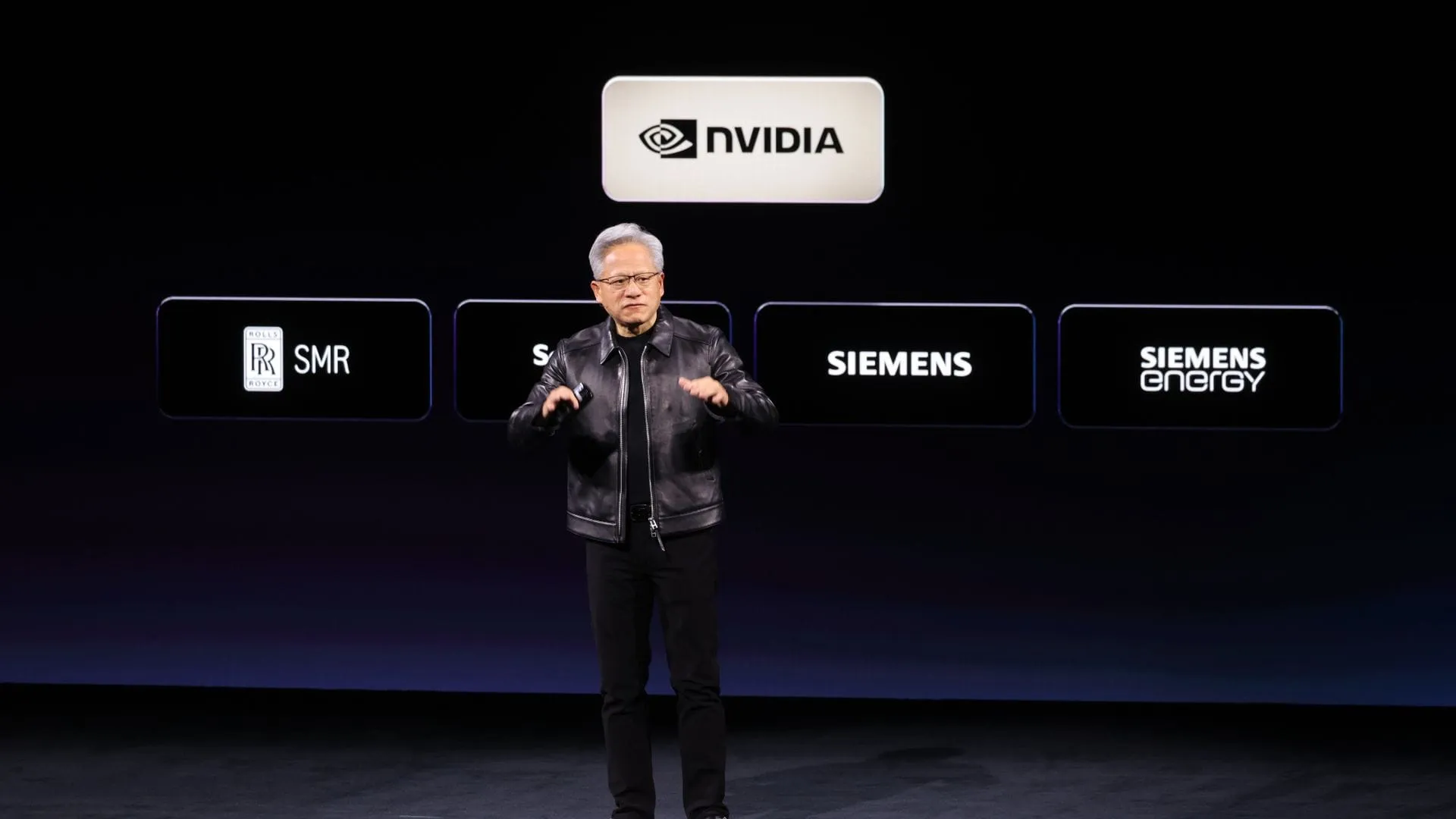
When Tech Meets Protest: Nvidia Keynote Interrupted by Calls for Accountability
The expected grandeur of Jensen Huang’s keynote address at the Nvidia GTC event in Berlin was abruptly derailed by a demonstration that brought a serious, timely public dispute into the spotlight. Just minutes into the CEO’s customary remarks, the broadcast was interrupted by hecklers demanding answers regarding the company’s involvement in the use of its technology, specifically in the context of military applications and environmental concerns.
Footage captured by attendees showed protestors standing on chairs, brandishing banners that sharply questioned Nvidia’s practices, demanding accountability for the technology’s deployment and disposal. One of the protestors directly challenged the CEO, asking, “Jensen, what about the technology that was found in Russian drones? What are you doing about the environmental destruction?”
The protest was amplified by signs that included the Greenpeace logo, signaling that the dispute transcended a simple tech conference and entered the realm of global environmental and ethical responsibility. While the main livestream did not fully capture the disruption, the shared images and videos posted across social media demonstrated the widespread concern among attendees and observers.
The core of the protest focused on the controversial presence of Nvidia Jetson chips in systems used by Russia, including military drones. Reports have surfaced suggesting that the Nvidia Jetson Orin chip powers advanced autonomous targeting systems, such as the Russian S-71 ‘Monochrome’ weapon, which has been linked to incidents in Ukraine. This situation immediately raised questions about the role of consumer-grade AI technology in geopolitical conflict.
Nvidia has offered a response to these serious allegations. The company stated that the Jetson Orin modules are consumer-grade products sold to developers, students, and startups for a wide range of beneficial applications, emphasizing that the chips are not designed for military purposes. However, the company also acknowledged a limitation: they are unable to track the resale of pre-owned Jetson chips.
Despite Nvidia’s clarification regarding its product intent, the underlying issue remains: the intersection of cutting-edge AI technology, international trade, and ethical deployment. The disruption on the GTC stage served as a stark, live reminder that the developers of powerful tools must grapple with the real-world consequences of their creations.
Jensen Huang, visible on the broadcast, acknowledged the interruption calmly, telling those demanding attention, “It’s okay, go easy,” before continuing his address. This moment highlighted the tension between the high-level discussion of technological innovation and the urgent, often volatile, public demands for corporate accountability in an era defined by artificial intelligence.
The GTC event in Berlin, running from October 20 to 22, is a major forum for developers and business leaders, and the protest served as an unexpected, powerful preamble, forcing a crucial conversation about where technological advancement leads and the ethical responsibility that accompanies it.
Buy on Amazon
Credit
