Nvidia turns nuclear plants into AI data centers
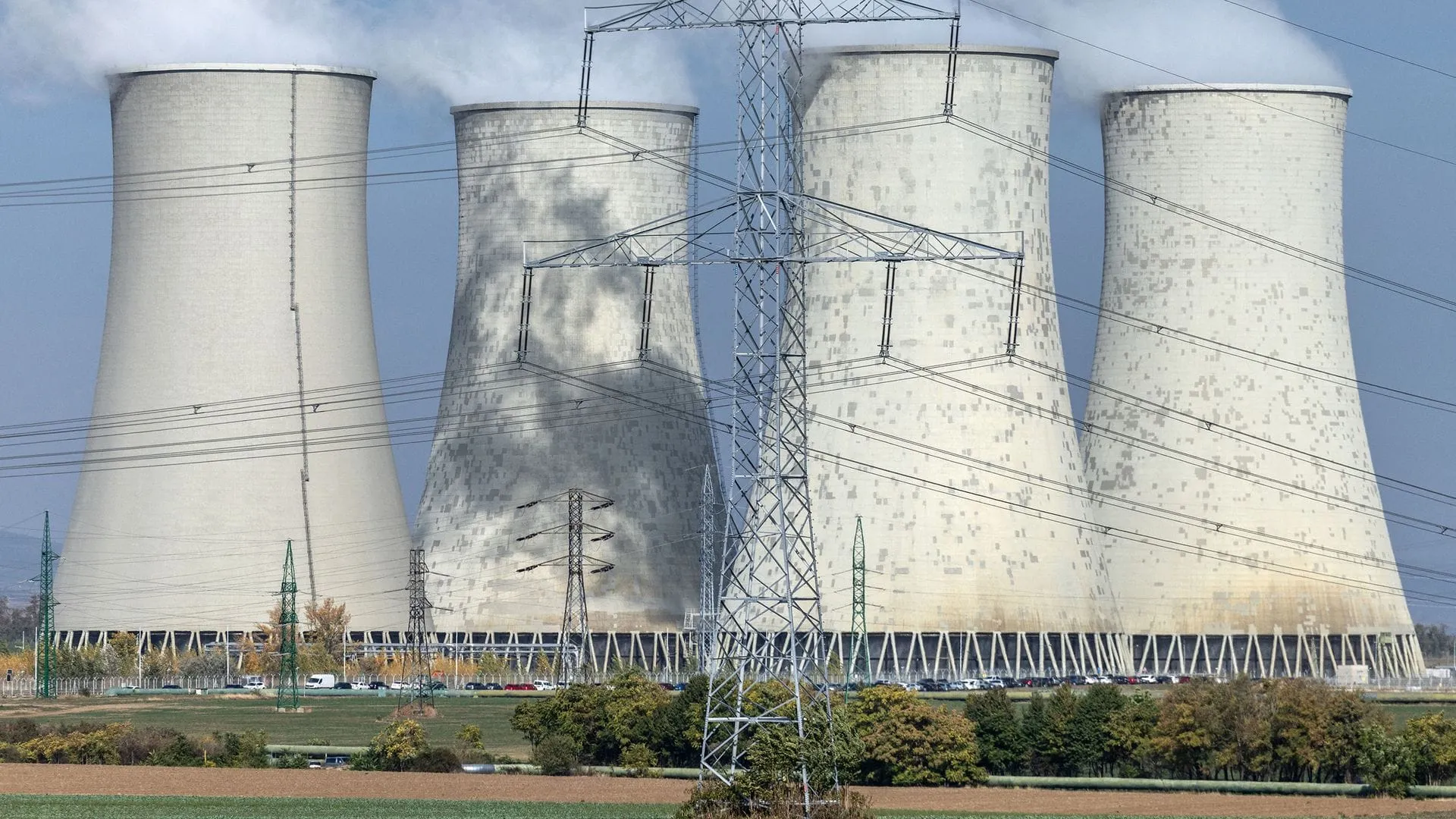
The global demand for artificial intelligence is creating an infrastructure crisis, pushing companies to build massive data centers at an unprecedented pace. To meet this surge, the focus is no longer just on raw computing power, but on securing the complex supply chain of land, power, and cooling. Now, a bold new partnership is taking the spotlight, proposing an unconventional solution to this challenge: repurposing Germany’s decommissioned nuclear power plants to become the backbone of the next generation of AI.
Nvidia, the undisputed leader in chip technology, has teamed up with the German energy firm PreussenElektra GmbH (PEL) to explore a massive opportunity. The plan is to assess whether the industrial infrastructure left behind by former nuclear sites can be converted into high-performance AI data centers. This ambitious initiative isn’t about harnessing nuclear energy for data centers; instead, the focus is entirely on leveraging the existing assets—the robust power grids, water infrastructure, and industrial foundations already in place at these sites.
The goal is to transform these sites into what experts are calling “AI factories.” This concept recognizes that building new hyperscale data centers from scratch requires immense time and capital. By repurposing these existing facilities, Nvidia and PEL aim to drastically reduce development costs and timelines, offering a powerful alternative to the traditional, resource-intensive method of construction.
The existing infrastructure of former power plants is inherently advantageous for this endeavor. These sites already possess the essential components required for modern computing facilities: high-voltage grid connections, substantial land availability, and proximity to the necessary water infrastructure for efficient cooling. This inherent setup bypasses many of the major logistical hurdles associated with new development.
Markus Hacker, senior regional director at Nvidia, emphasized the potential, noting that these former industrial sites offer a strong foundation for the next generation of computing. “AI factories require access to power, land and high-capacity infrastructure,” Hacker stated, underscoring how perfectly these locations align with the demands of massive AI infrastructure buildout.
The collaboration seeks to conduct a thorough feasibility assessment, examining how the sites can meet the strict operational requirements of an AI factory. While this exploration is currently in an experimental phase, it represents a strategic move toward responsible industrial reuse and unlocking new economic opportunities for the regions affected.
This initiative arrives at a critical time, as Germany continues to dismantle its nuclear power plants. PEL is currently responsible for the decommissioning of eight such facilities, making them prime candidates for this exploration. While the project is purely exploratory at this stage, it signals a convergence of cutting-edge technology and industrial heritage, paving the way for sustainable and efficient infrastructure development in the age of artificial intelligence.
Credit
