The Great Reset: How Microsoft’s Moves Are Reshaping the Gaming Landscape
A massive realignment is sweeping through the gaming world, with recent restructuring efforts at Microsoft and Xbox sending ripples across development studios and franchises. What began as a corporate shake-up has quickly become a story about where creative talent is positioned, and what happens when colossal mergers and acquisitions intersect with ambitious game development pipelines.
The wave of changes, which includes up to 4,800 layoffs at Microsoft, has specifically impacted the Xbox ecosystem. This restructuring extended across Xbox teams and first-party studios, sending shockwaves through the development houses that contribute to major franchises like Fallout and The Elder Scrolls.
The impact is particularly acute for studios integral to the Xbox’s portfolio. The ZeniMax and Bethesda umbrella has felt the strain, and some developers have faced severe reductions in headcount. For instance, id Software, responsible for classics like DOOM, saw half of its workforce affected by these cuts.
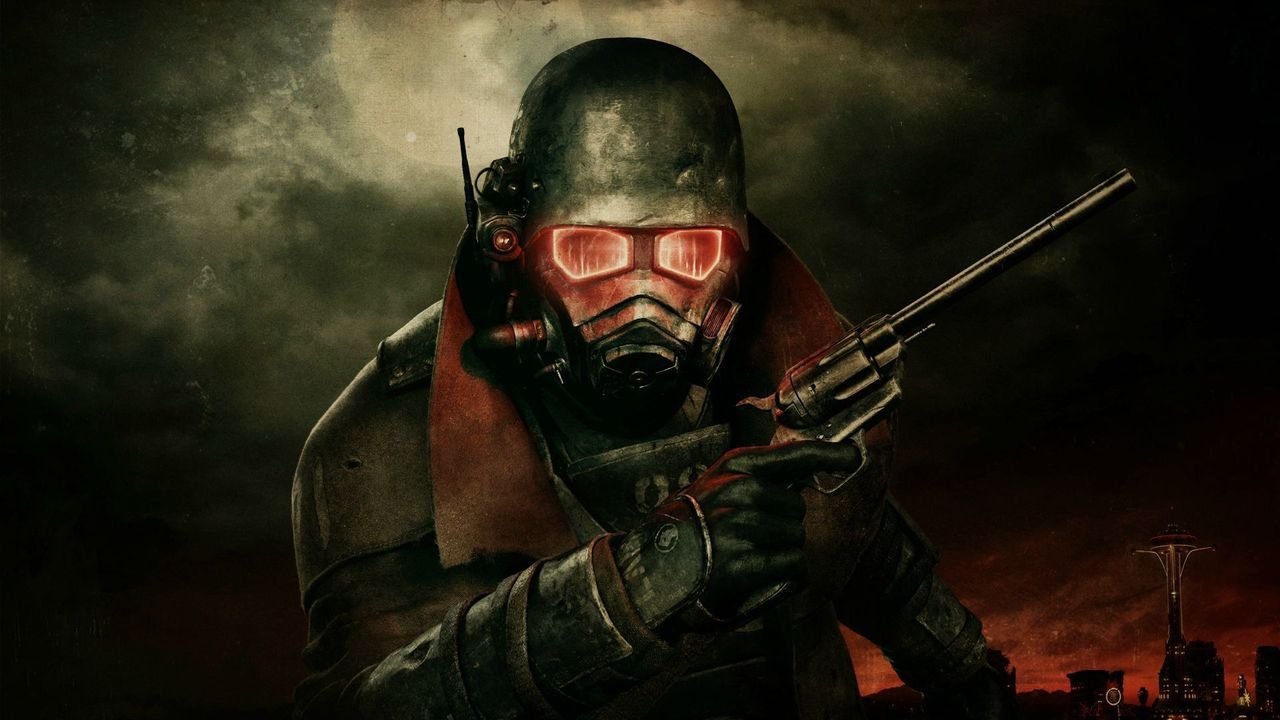
One studio grappling with this transition is Obsidian Entertainment. Known for crafting beloved RPGs such as Fallout: New Vegas, Grounded, and The Outer Worlds 2, Obsidian has also seen significant layoffs, with reports indicating that roughly 60 to 70 employees were reduced—a staggering 25 percent of the team’s total headcount.
These reductions included senior staff, producers, artists, designers, and programmers. As questions linger about future direction following such steep cuts, remaining staff are naturally concerned about how the studio will pursue its extensive list of projects without clear guidance from Microsoft.
Despite these challenges, Obsidian is poised to continue work on ambitious titles, including the survival game Grounded 2 and various expansions for The Outer Worlds 2. Yet, with significant personnel changes, the path forward for the studio remains an open question.
The context of these moves is further illuminated by statements from Xbox leadership. CEO Asha Sharma has emphasized a desire to help the brand “move faster” with its core Intellectual Properties, directly referencing franchises like Fallout, The Elder Scrolls, and Halo. This focus suggests a push to streamline efforts and accelerate development on established IPs.
This emphasis naturally brings up speculation about future creative partnerships. Will this strategic shift lead Microsoft to bring back key talent or pursue new directions for studios deeply connected to the post-apocalyptic and fantasy gaming worlds? The outcome remains to be seen as the industry watches how these massive corporate decisions affect the heart of game creation.
Credit: Windows Central
