Obsidian masters the mess of Fallout New Vegas 2
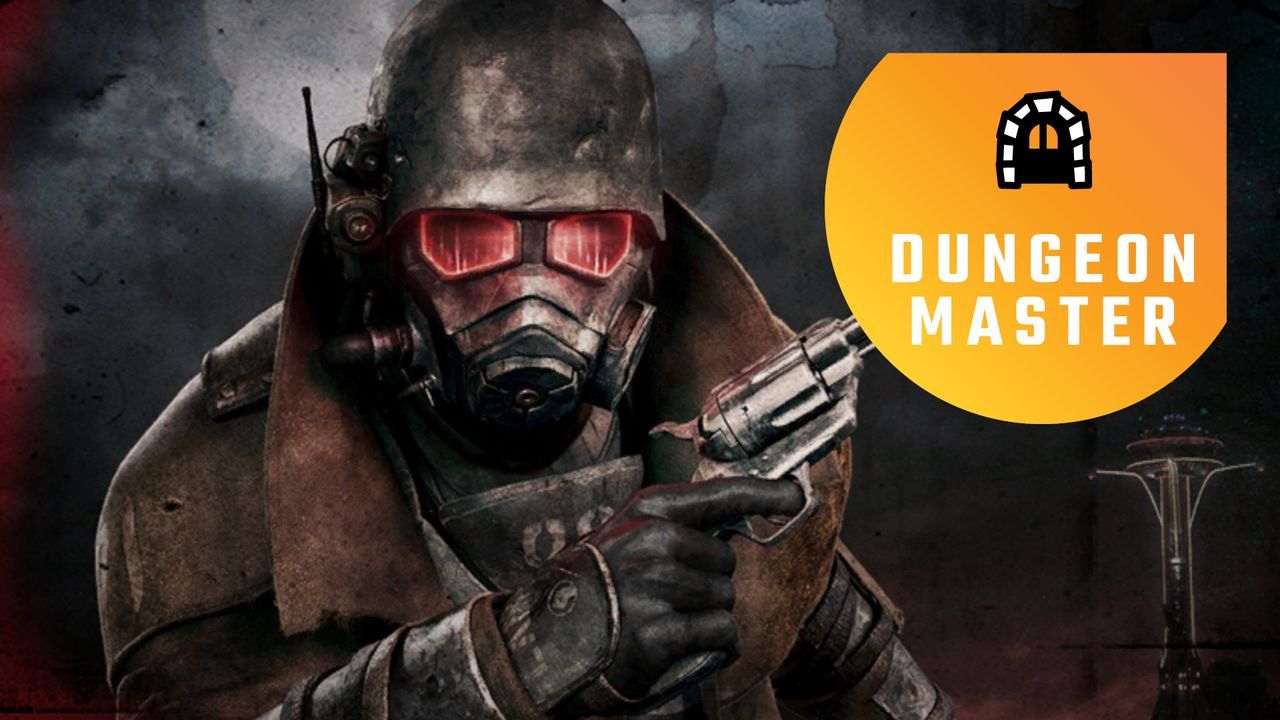
For fourteen years, Obsidian Entertainment has carved out a remarkable, if sometimes tumultuous, legacy in the world of Role-Playing Games. They have been architects of enduring worlds—from the epic scope of Knights of the Old Republic 2 to the intricate moral dilemmas of Fallout: New Vegas.
This history is a testament to their talent, even as the studio navigated a choppy path marked by shifting publisher demands and tough developmental deadlines. From the early days, Obsidian faced the classic challenges of game development, managing expectations from giants like LucasArts and dealing with the inherent friction that comes when making ambitious, narrative-driven RPGs come to life.
While some projects were delayed or hampered by external pressures—such as the rushed development of Fallout: New Vegas under a tight deadline—the studio managed to deliver work that resonated deeply. Even games like Alpha Protocol, though commercially modest, cultivated a devoted cult following among critics and journalists who recognized their narrative ambition.
The journey through Pillars of Eternity proved to be a defining moment. Despite some creative compromises demanded by backers seeking nostalgia for the Infinity Engine style, Obsidian persevered, delivering a successful series that provided much-needed breathing room and validation.
However, even with this success, internal questions lingered. As the studio pursued new ventures, including the development of Fallout: New Vegas under Bethesda, the challenges resurfaced. The experience of developing massive titles sometimes exposed an inability to capture the very essence that made Obsidian’s earlier work special, leading to a period of reflection.
This introspection drove the team to re-examine their format, striving to find a new path forward. This search culminated in recent projects like Avowed, which brought Obsidian back into the spotlight. While the development of Avowed suggests a return to ambitious scope, it also reflects the lingering uncertainty that follows high-stakes creative endeavors.
The studio’s entry into the Microsoft ecosystem, particularly with their acquisition, introduced a new dynamic. Games like The Outer Worlds, while polished and commercially viable, were viewed by some as less ambitious than Obsidian’s hallmark titles. This comparison often highlighted a struggle: the tendency to mimic successful formulas rather than forging entirely new ground.
Despite these reflections, Obsidian remains a potent force. Recent titles like Grounded and Pentiment demonstrate that the studio still possesses exceptional talent in world-building and character writing, proving they can find magic even outside the traditional RPG mold.
The story of Obsidian is ultimately one of survival. It has faced immense external pressures and internal shifts, yet it continues to emerge as a survivor capable of creating gold from difficult circumstances. With experience and talent still firmly in place, the studio is poised to tackle its next great challenge and prove that the magic of Fallout can yet be redefined.
Buy on Amazon
Credit