One script to trick DLSS onto AMD GPU in Cyberpunk 2077
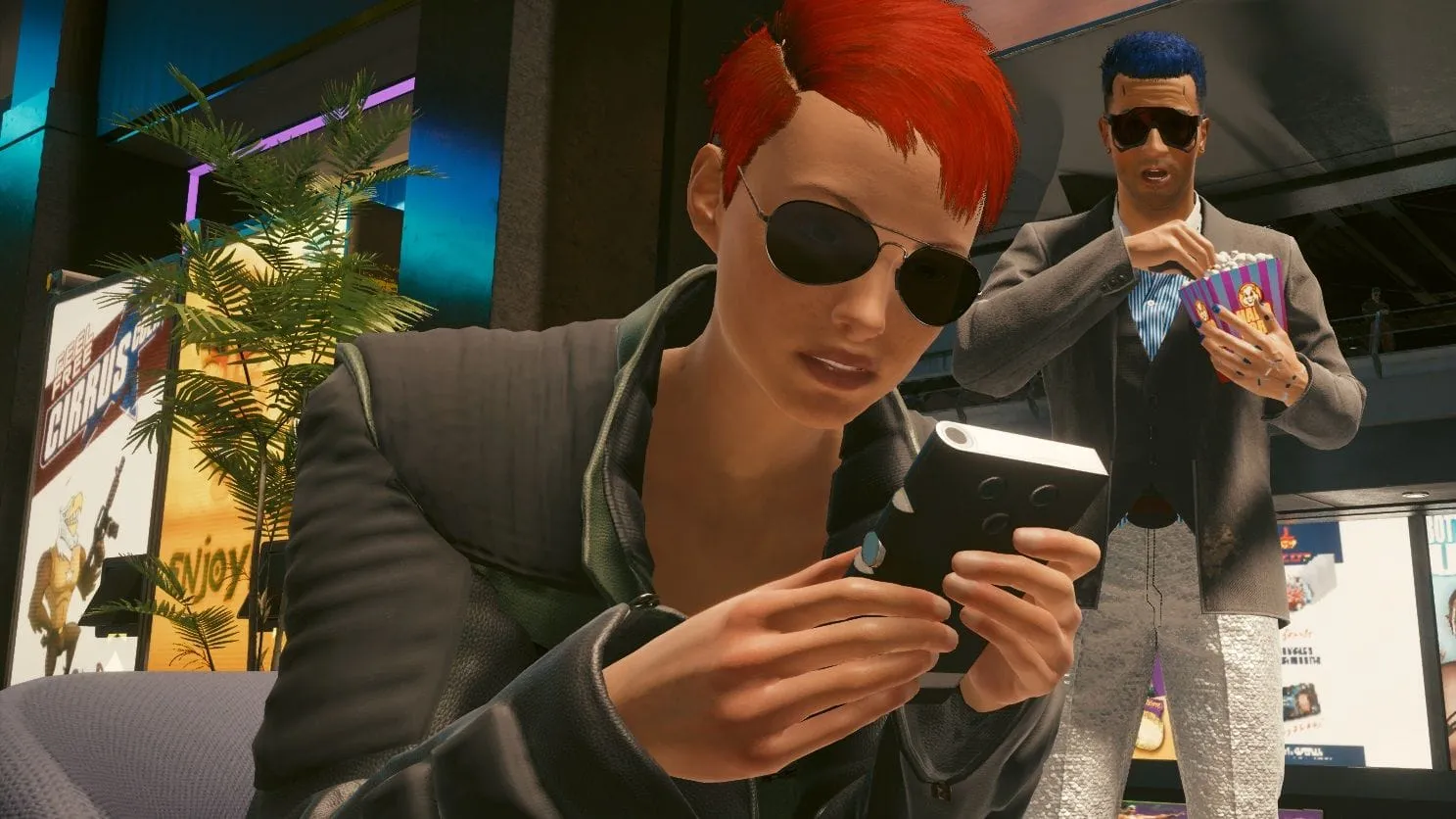
Bending the Rules: How One Tool is Unlocking DLSS Power for Older AMD Graphics
For many users with older AMD graphics cards, the world of upscaling technology has felt a bit restrictive. While Nvidia has pushed DLSS and FSR forward with impressive speed, AMD has often lagged in game support and overall image quality. But what if there was a way to bridge that gap, unlocking the power of DLSS even when you don’t have the dedicated Tensor cores?
I recently experimented with a fascinating solution: a tool called HelixSR. This isn’t just another patch; it’s a clever workaround that allows games built for FSR 3.1 to seamlessly run on the superior DLSS 3.7 (Model E) algorithm on AMD hardware.
How does it work? Essentially, HelixSR tricks the game into believing it is still running FSR 3.1, but it swaps out the core upscaling logic with DLSS 3.7. Since AMD GPUs don’t have Tensor cores, this process cleverly utilizes the standard shader cores, delivering a high-quality result without needing specialized hardware.
The results are genuinely compelling. While I noticed a slight performance adjustment—a minimal performance hit—the boost in image quality was noticeable. When comparing FSR 3.1 versus DLSS via HelixSR, the difference in visual clarity is certainly there, especially when looking at details like distant metal scaffolding in games like Cyberpunk 2077.
For example, in Cyberpunk 2077, using DLSS via this method resulted in slightly clearer details, making far-away objects appear less blurred. Whether this difference is “night and day” depends on the scene, but the visual improvement is definitely worth noting, even if it’s subtle.
Performance-wise, the trade-off is minimal. I tested this setup on an RX 9070 XT running at high settings, and the performance difference was negligible. We saw slight FPS gains when comparing the performance metrics between the two technologies, confirming that the performance penalty is very slight, especially when running at high frame rates.
This solution targets a specific group: users with older AMD cards, such as the RDNA 1 and RDNA 2 series (RX 5000-series and RX 6000-series), who cannot yet access the full benefits of FSR 4. For these users, HelixSR offers a fantastic way to access state-of-the-art upscaling technology that previously felt out of reach.
Installation is remarkably straightforward. You can download the necessary files and run a simple batch script that handles the rest, asking you which games you wish to apply the fix to. It’s a quick setup that lets you leverage DLSS capabilities without complicated driver modifications.
If you’re looking to maximize the visual fidelity of your older AMD setup without compromising too much performance, I highly recommend giving HelixSR a try. It proves that innovation in graphics scaling can be achieved through smart software, bridging the gap between AMD and Nvidia technology in a truly creative way.
Buy on Amazon
Credit
