OpenAI and Anthropic scramble for smaller data centers now
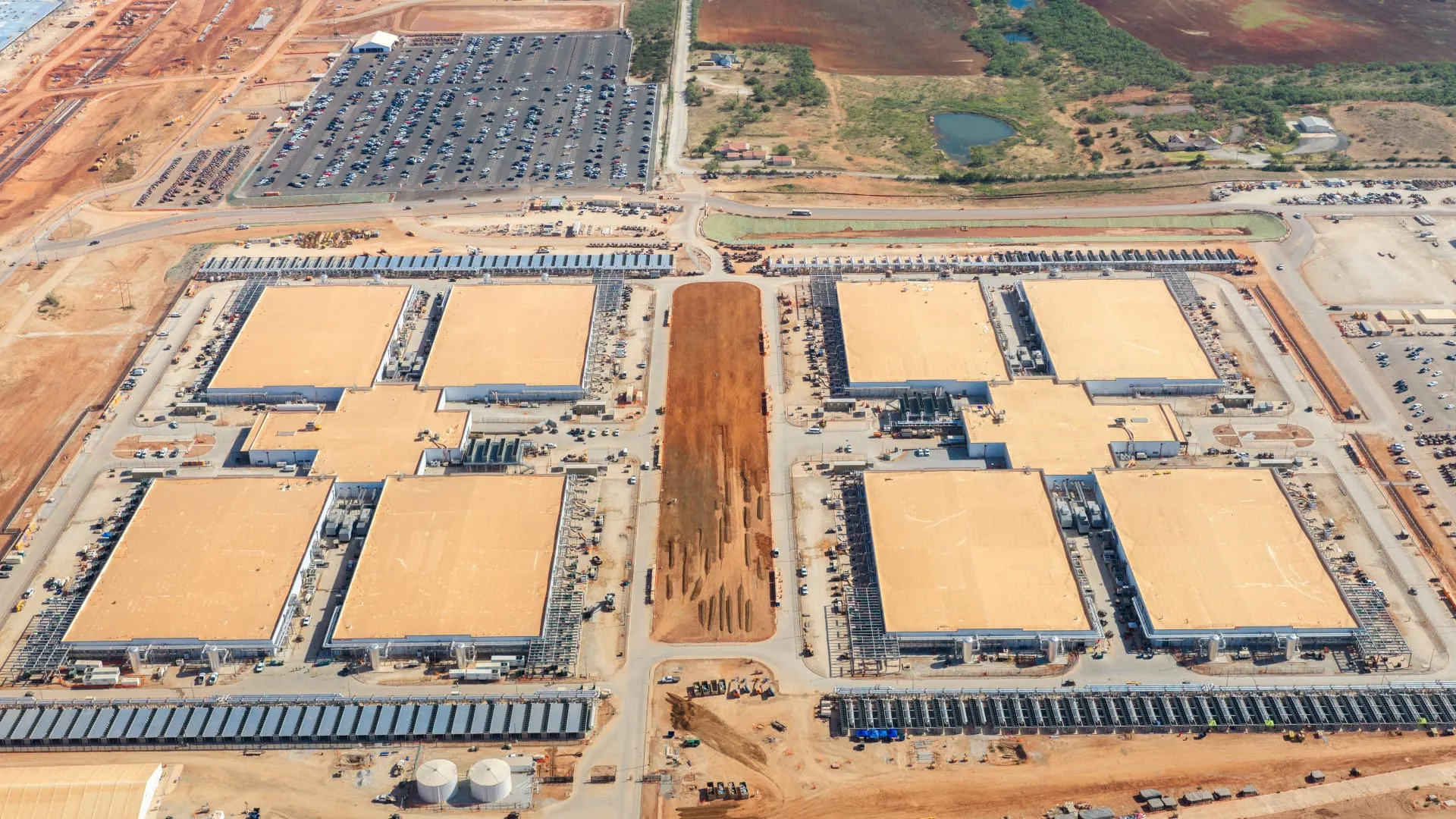
The Great Compute Shuffle: How AI Giants Are Betting on Smaller Data Centers
The race to build the next generation of artificial intelligence is happening at an unprecedented scale, fueled by multi-billion dollar projects aimed at constructing gigawatt-scale data centers. But as Anthropic and OpenAI chase massive compute capacity, a clever strategy is emerging: the pivot toward smaller, more agile data center deployments. This shift is less about ignoring the massive infrastructure projects underway and more about recognizing the difference between the colossal demands of training models and the immediate need for running them.
While colossal projects—like the multi-trillion dollar initiatives currently underway—focus on the heavy lifting of training enormous AI models, the giants are simultaneously exploring existing facilities with capacities ranging from 20 to 30 megawatts. This strategy allows them to secure necessary compute capacity without waiting years for the construction of massive infrastructure.
Reports indicate that Anthropic and OpenAI are actively exploring agreements for these smaller deployments across various regions. Anthropic, for instance, has been involved in securing large-scale compute capacity, such as a reported 45 billion dollar agreement for around 460 MW of capacity at a West Virginia development. Meanwhile, OpenAI has also looked into similar opportunities, particularly in the Nordic countries and the United States.
The rationale behind this pivot centers on the distinction between training and inference. Training a large AI model requires massive, interconnected clusters of accelerators, demanding vast amounts of power, cooling infrastructure, and years of complex construction. However, running the models—the process known as inference—can be distributed across multiple smaller clusters. This realization makes smaller facilities perfectly suited for meeting the immediate, fluctuating demand for AI services.
By utilizing existing, smaller sites, these companies bypass some of the thorny issues associated with mega-buildouts. In the United States, for example, large data center projects have frequently faced significant local opposition over land usage, noise pollution, and resource consumption. Smaller deployments on existing sites sidestep this intense local friction, making the process significantly more practical.
Experts suggest that a collection of smaller deployments can aggregate into substantial overall capacity. As one industry voice noted, securing a few megawatts at an existing powered site can be more practical than waiting for a much larger block in one location. This flexibility allows AI companies to rent capacity from hyperscalers, dedicated operators, and neoclouds, spreading their workloads efficiently across diverse providers.
Ultimately, this shift signifies an evolution in how AI infrastructure is conceived. Instead of simply building bigger and bigger, the industry is adopting a nuanced approach, prioritizing flexibility and speed. By embracing smaller, distributed deployments, Anthropic and OpenAI are ensuring they have the immediate capacity needed for inference while strategically navigating the complex, lengthy process of building the future of AI infrastructure.
Credit
