OpenAI head breaks down AI design of Jalapeño ASIC
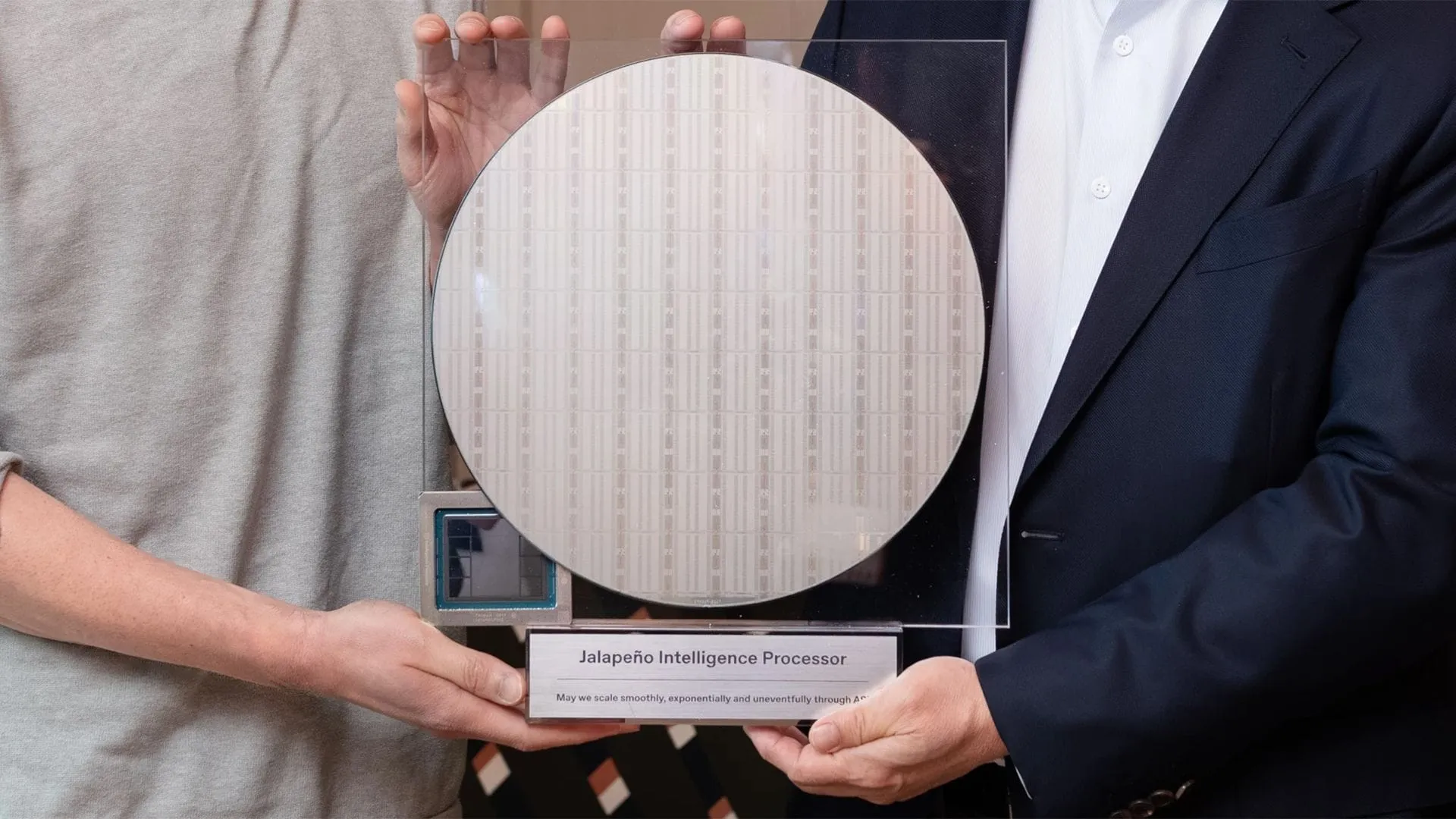
The world of semiconductor design is undergoing a revolution, and the blueprint for this shift was drawn not just by brilliant engineers, but by artificial intelligence. OpenAI’s Jalapeño ASIC project isn’t just a hardware achievement; it’s a powerful demonstration of how AI can fundamentally rewrite the timeline and methodology of chip development.
This breakthrough wasn’t achieved through mere incremental gains in efficiency, but through a radical approach to co-design. From the initial register-transfer level (RTL) design right through to tapeout, the team leveraged AI not just for optimization, but as a core partner in the entire engineering workflow, compressing what would traditionally be a multi-year effort into a timeline of less than two years.
The secret to this accelerated pace lies in the integration of AI into the design process itself. OpenAI’s team utilized powerful internal models, including Codex, for agentic coding—allowing the engineering team to generate and refine complex code far faster than traditional methods. This collaboration allowed them to establish a new industry baseline, proving that AI can act as a catalyst for immense innovation in hardware creation.
Richard Ho, head of hardware at OpenAI, noted that this experience established a new standard for development. While the timeline remains ambitious, the shift in process itself is the real takeaway. It showed that when powerful AI models are integrated effectively, they don’t just speed up tasks; they unlock entirely new possibilities for what engineering teams can accomplish.
This partnership goes beyond simple automation. The development story of Jalapeño is a compelling case study in human-AI synergy. While AI handled much of the heavy lifting in generating code and optimizing kernels, the critical human element—the talented engineers—remained essential, guiding the systems and ensuring the results were sound.
The philosophy adopted by the team is perhaps the most profound lesson. AI should not be viewed as a replacement for human expertise, but as a massive productivity multiplier. By handling complex, repetitive tasks, AI allows expert engineers to focus on higher-level architectural challenges and novel solutions, leading to designs that are both faster and more robust.
The results speak for themselves. The B0 stepping of the Jalapeño chip reportedly delivered up to a twenty-five percent improvement in performance per watt compared to its predecessor. This level of improvement suggests not just fine-tuning, but a fundamental leap in architectural design, achieved through an unprecedented combination of human insight and machine intelligence.
As the industry watches this trajectory, other frontier labs and hardware companies are keenly observing this model. The interest is palpable, suggesting that the blueprint pioneered by OpenAI for AI-assisted chip design may soon become the standard operating procedure across the entire semiconductor landscape.
The future of silicon design is clearly being shaped by this synergy, promising a faster, more collaborative, and significantly more creative era for hardware innovation.
Buy on Amazon
Credit
