OpenAI Jalapeño design interview transcript
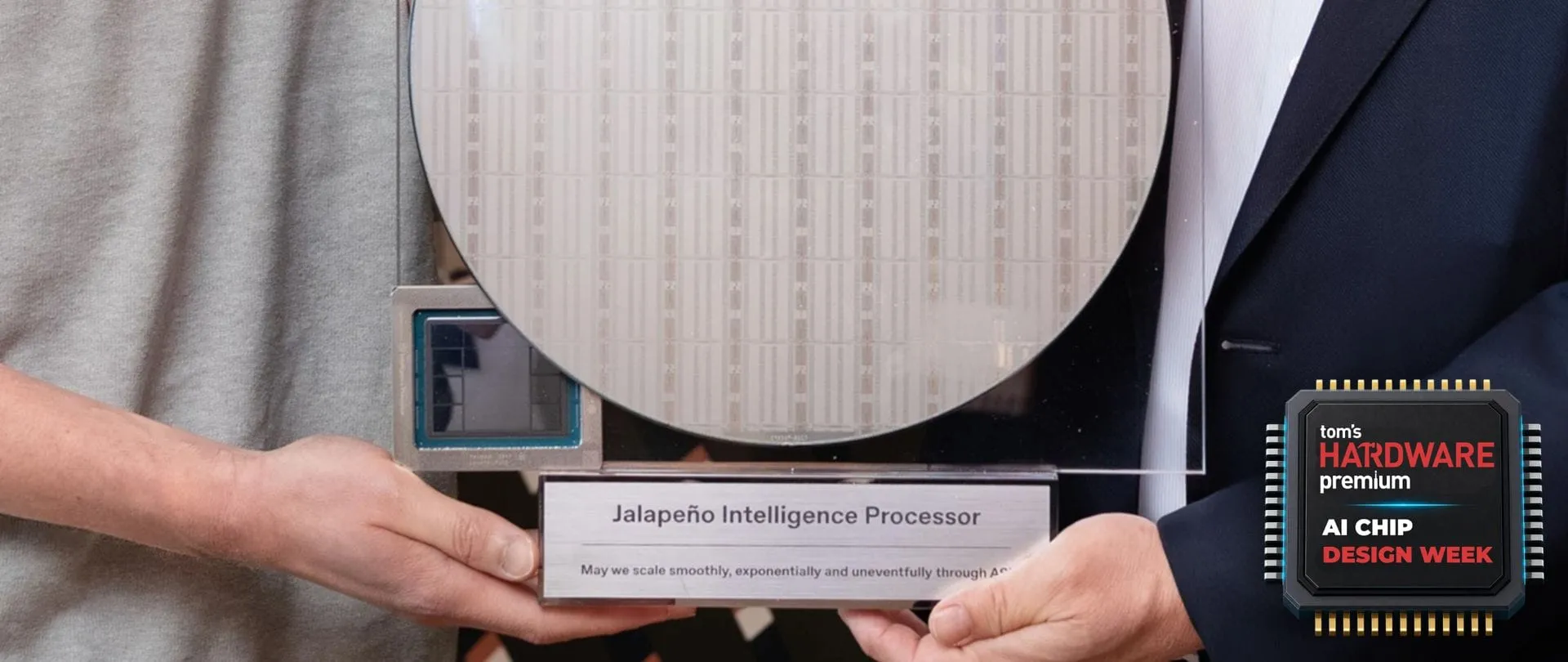
The AI-Powered Chip Revolution: How OpenAI Built the Future of Inference
In August 2026, OpenAI dropped a bombshell at Hot Chips: the reveal of their custom Jalapeño inference ASIC. This wasn’t just another chip announcement; it was a masterclass in leveraging artificial intelligence to drastically cut the design window, proving that the future of silicon design is being co-created between hardware and machine learning.
The driving force behind this ambitious project was starkly simple: efficiency. As compute power becomes the central bottleneck in the AI era, OpenAI realized that maximizing performance wasn’t enough; they needed to minimize the cost and power required for inference. The goal was to deliver the intelligence users expect—fast responses from ChatGPT, Codex, and autonomous agents—with minimal latency and maximum energy efficiency. This focus on the inference side, rather than just massive training, addressed the real-world user experience.
To achieve this, the team focused on creating a device that could handle these demands with unparalleled efficiency. They engineered a solution that offered both low-latency performance for critical tasks and the ability to dial in throughput when needed, effectively reducing the cost of running AI models in data centers.
But
Buy on Amazon
Credit
