Outlast devs debate adding the worst scene
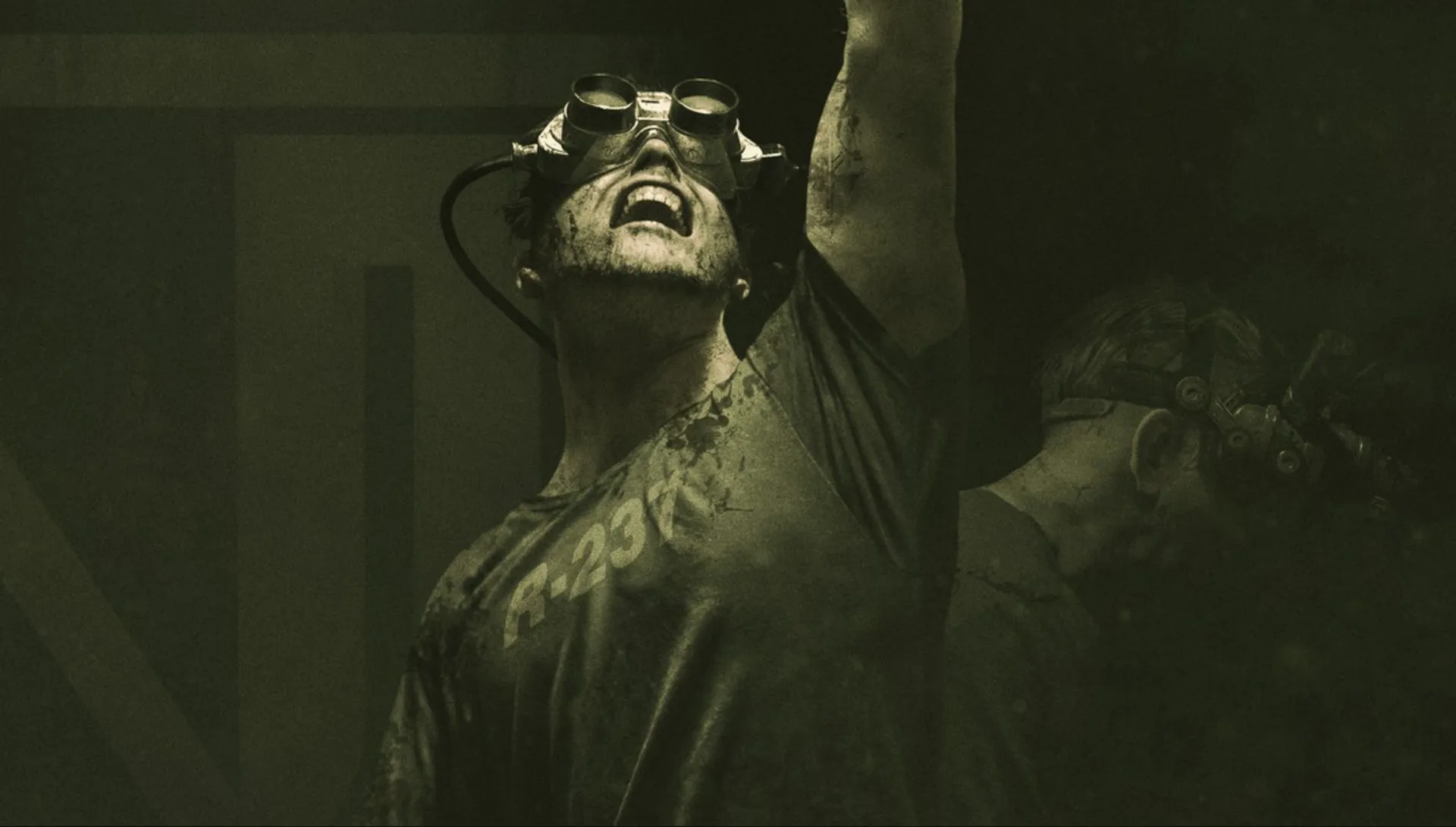
Horror games are designed to unsettle, but how far should they push the boundaries of human decency? In the world of survival horror, developers often face the challenge of balancing visceral shock with thoughtful narrative design. In the case of the acclaimed Outlast series and its spin-off, The Outlast Trials, the conversation shifts from simple fright to ethical dilemma, revealing a fascinating insight into what happens when creators intentionally push the edge of what is considered acceptable.
From the finger amputation in the first game to the disturbing discoveries in the sequel, the series is filled with moments that linger long after the screen goes dark. Yet, one particular sequence stands out as a pivotal point in the series’ intent: the encounter in the asylum that forces players to confront the darkest aspects of human nature. This moment wasn’t just a scare; it was a deliberate tool used to question the player’s perception of reality within the asylum’s confines.
The team behind the games, including co-founder Philippe Morin of Red Barrels, has reflected on these choices. They aimed for content that would make players stop and think about the limits of what they find within the game world. One notable instance was the decision to include dialogue that flipped the dynamic, forcing the player to witness disturbing statements that redefined the narrative context.
The ethos behind this content creation is rooted in iterative evolution. Morin explains that the team often starts with ideas that may seem juvenile or gratuitous, but they must allow those concepts to evolve. The goal is to talk around these ideas to arrive at an approach that is both genuinely scary and satisfying.
This process is particularly evident in The Outlast Trials, where the team debated the inclusion of child mannequins versus animated children in the trials. The discussion wasn’t about aesthetics; it was about the psychological impact. The consensus leaned toward mannequins, recognizing that the extreme gore and horror already present in the series were powerful enough to generate discomfort.
Ultimately, the developers noted that the best decisions are often made by those who know the series best—the creators themselves. They emphasize that the team is always the first to react to new ideas, pushing boundaries until the reaction becomes too strong. This necessary dialogue—whether it’s about adding extreme content or debating narrative choices—is woven into the daily routine of the studio.
In the end, the power of these games lies not just in the shocking visuals, but in the uncomfortable questions they pose. They demonstrate that the line between horror and psychological exploration is often blurred, proving that the most impactful stories emerge when developers are willing to have those difficult conversations about the dark corners of the human experience.
Buy on Amazon
Credit
