Palit denies Galax factory closure amid chip shortage
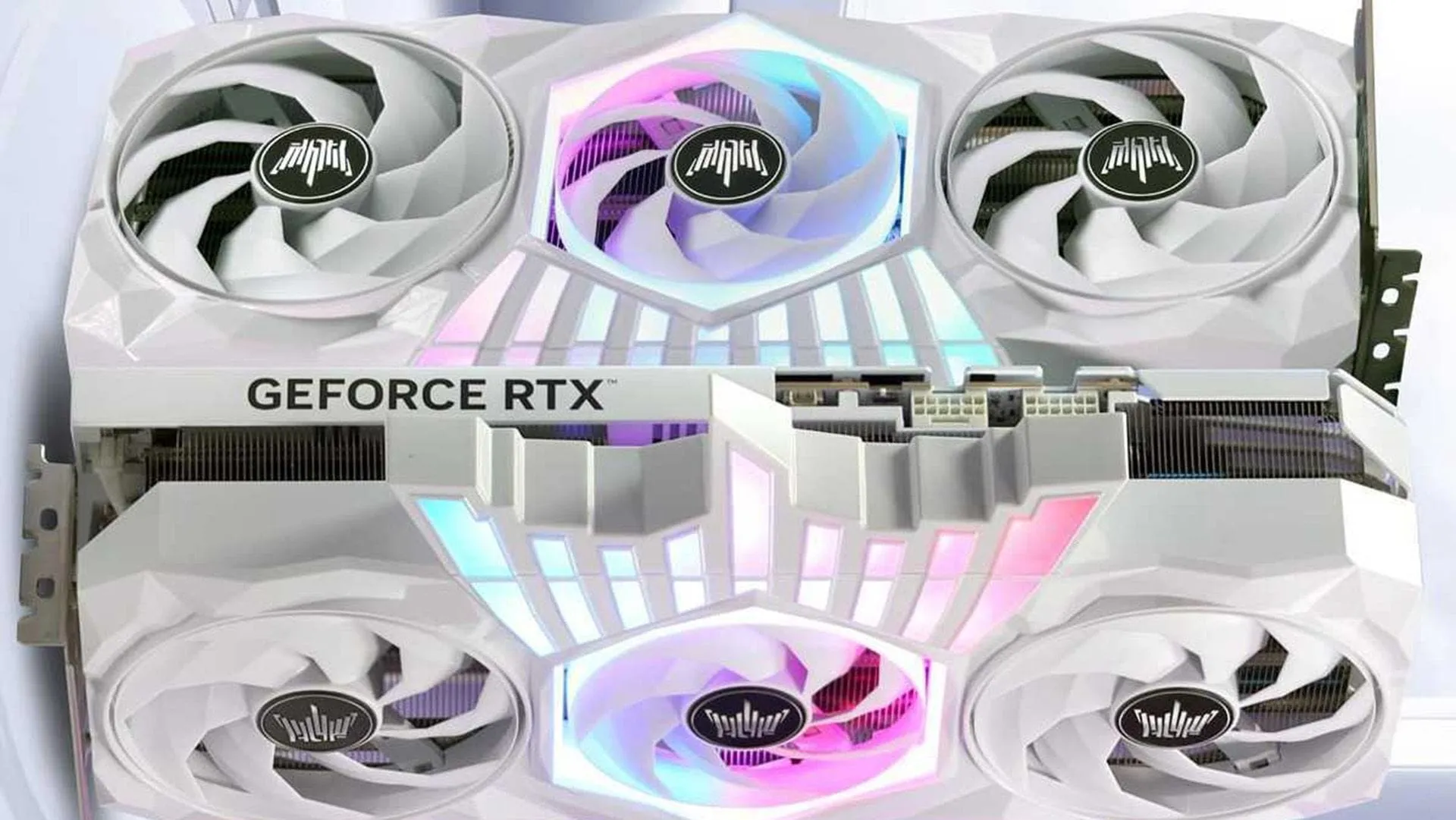
The Great GPU Scare: Unpacking the Truth Behind the Factory Rumors
In the rapidly evolving world of high-performance computing, where cutting-edge graphics cards define the digital experience, rumors often run faster than reality. Recently, speculation swirled around the possibility that the Galax factory, crucial for manufacturing Nvidia RTX 50-series GPUs, might have shut down. This fear was fueled by anxieties over the global supply chain and the relentless demands of the AI chip market.
The notion that a major manufacturing operation could simply vanish due to chip shortages sent shockwaves through the tech community. Reports emerged suggesting that Palit, a key partner in this production line, could no longer guarantee the necessary Nvidia components, raising serious questions about the viability of keeping the facility operational.
However, when faced with such dramatic speculation, the company stepped in to provide clarity. Palit officially released a statement firmly denying the claims, assuring the public that Galax continues to operate without any factory closures. The message was clear: manufacturing facilities remain active, and Galax products continue to be available through established domestic and international sales channels.
This assurance highlights the delicate balance between market speculation and operational reality. It is important to remember that Galax and Palit share manufacturing facilities, and production and business operations are proceeding as normal. The rumors, while dramatic, did not reflect the actual operational status on the ground.
The emergence of these stories is not unique. Earlier this year, the Palit Group had already restructured its operations, leading to similar reports of potential closures for the GPU brand. This pattern suggests that the industry is navigating complex shifts, and external pressures often generate anxiety about supply and production stability.
What these events ultimately underscore is the tremendous pressure placed on the semiconductor industry. The current environment is defined by an intense competition for resources, particularly concerning AI-driven memory chips, which have significantly influenced how devices are designed and manufactured globally. The skyrocketing costs associated with these materials have created a pervasive sense of fragility across the supply chain.
Despite the speculative headlines, the tangible outcome remains steady. Galax GPUs continue to hit the market, providing consumers with access to the latest technology. The situation serves as a reminder that while the pressures of the market are immense, established manufacturing and distribution networks remain robust, ensuring that the flow of innovative hardware continues, regardless of the noise surrounding it.
Buy on Amazon
Credit
