PC Market Slumps 20% Globally in Q3 2026
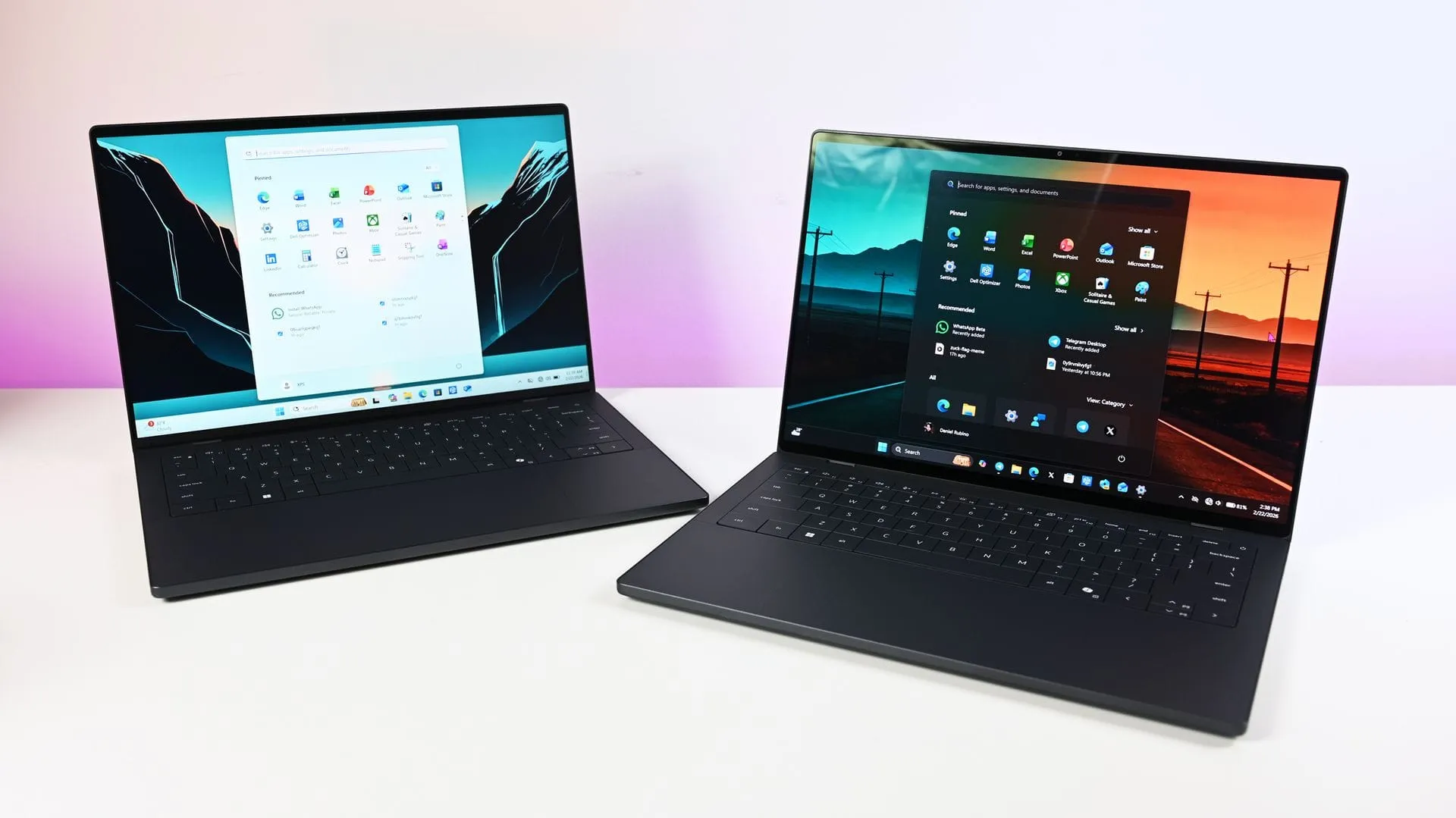
The global personal computer market recently experienced a dramatic dip, with major analysts reporting massive year-over-year declines in Q3 2026 shipments. This isn’t just a minor fluctuation; it signals a significant shift in how vendors and consumers are navigating the current hardware landscape.
Independent reports from major firms, including IDC and Omdia, both highlighted steep reductions. IDC noted a decline compared to the previous year, while Omdia reported an even sharper decline overall. Breaking down the specifics, desktop shipments fell by 23.5%, and laptop shipments dropped by 20.6%.
When you look at the broader market, the numbers point to a complex story. This sharp drop was largely driven by strategic behavior among vendors and supply channels, who moved to buy up inventory earlier in the year. This “first half pull-in” threw off typical seasonal patterns, leading to a sudden and sharp correction.
While the market faced immense pressure, it wasn’t a total freefall. In the first half of the year, the market actually saw a modest rise of 3.2%, fueled by panic buying, users upgrading their systems, and vendors building up their stockpiles in anticipation of future price hikes.
However, that temporary momentum stalled as market concerns about high prices and constrained supply began to weigh in. By Q2 2026, shipments saw a smaller 4% year-over-year drop, indicating that the market was settling into a new, tighter rhythm.
The root cause of the market tension lies in the ongoing hardware crunch. The acute shortage of RAM and storage, which had already begun impacting prices in early 2026, continued to create friction. Vendors were unwilling to lose money and were hesitant to offer substantial discounts while managing rising input costs.
The fallout was felt across the major brands. HP registered one of the most significant declines, falling by 30.9% according to IDC, with Omdia reporting a similar 31% reduction. Lenovo also faced a substantial hit, declining by 22.6% according to IDC.
Other players also felt the squeeze. Dell saw a 25% decline, and ASUS experienced an 8.6% drop. Even Apple, which had seen strong growth in Q2 thanks to the launch of the MacBook Neo, recorded an 11.3% drop in Q3.
Ultimately, this market turbulence offers little immediate comfort to the average buyer regarding prices. Since vendors incurred higher costs buying inventory earlier, there is no guarantee that prices will revert to pre-shortage levels quickly. While some vendors might offer discounts to clear stock, the prevailing sentiment is that hardware costs remain elevated, leaving consumers in a frustrating predicament as they wait for the next cycle to unfold.
Credit
