PC Shipments Drop Research Says It Will Get Worse
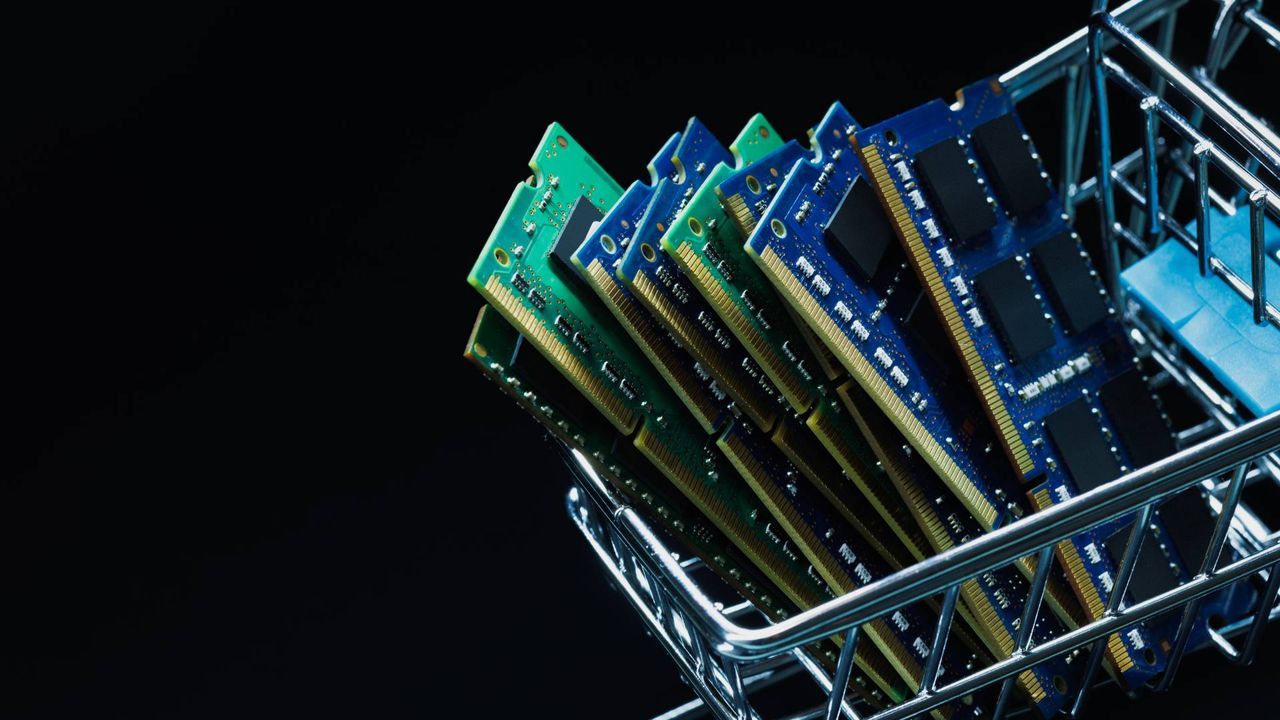
The dream of the AI PC era is running into a brutal reality: the global personal computer market is finally stalling, not because of a lack of demand for future-forward machines, but because of an unprecedented component cost crunch.
In the second quarter of this year, global shipments saw a noticeable dip. This decline marks the first time in recent memory that PC shipments have fallen, directly signaling that surging costs—particularly those tied to memory chips—are finally squeezing manufacturers’ ability to deliver new hardware at scale.
While trends like the migration to Windows 11 and the push for AI-integrated systems continue to generate demand, this momentum is being severely constrained by soaring DRAM prices. For Original Equipment Manufacturers (OEMs), this shift has meant a difficult choice: absorb the massive cost increases or implement painful adjustments, such as raising retail prices, reducing entry-level configurations, or prioritizing high-margin premium systems.
The impact has varied across the industry. While some major players like Dell and HP managed to mitigate the pressure somewhat, others faced steeper challenges. For instance, Lenovo, HP, and Dell all recorded shipment decreases during the period, highlighting that the supply chain bottleneck is affecting nearly every segment of the market.
On the brighter side, a few companies managed growth amidst the turbulence. Asus saw a modest increase of 4%, and Apple experienced a significant jump of 13%, likely fueled by the popularity of new models like the MacBook Neo. However, these gains were not enough to offset the overall global downturn.
For consumers trying to assemble or upgrade their systems, the effect is stark. The once-accessible pricing for powerful machines has evaporated. Where bargain hunters once sought affordable options under $1,000, today decent budget setups are rare. Furthermore, there is a worrying trend where manufacturers are increasingly opting for older memory standards like DDR4 or single-channel configurations to manage costs, even when newer technologies like DDR5 are available.
This intense pressure is clearly visible on the ground. Hardware makers themselves are reporting staggering cost increases. For example, one major systems builder recently disclosed that their suppliers had raised memory costs by more than double their previous shipment figures, underscoring just how far the industry has drifted from comfortable pricing.
Ultimately, the memory crisis is not a temporary blip; it’s a fundamental reshaping of the PC supply chain. As long as component prices continue to climb faster than demand can absorb them, OEMs will be forced into difficult strategic decisions, leaving future growth heavily dependent on stabilizing the supply side.
Credit