PC shipments tumble 20% in 3Q26 due to chip shortages
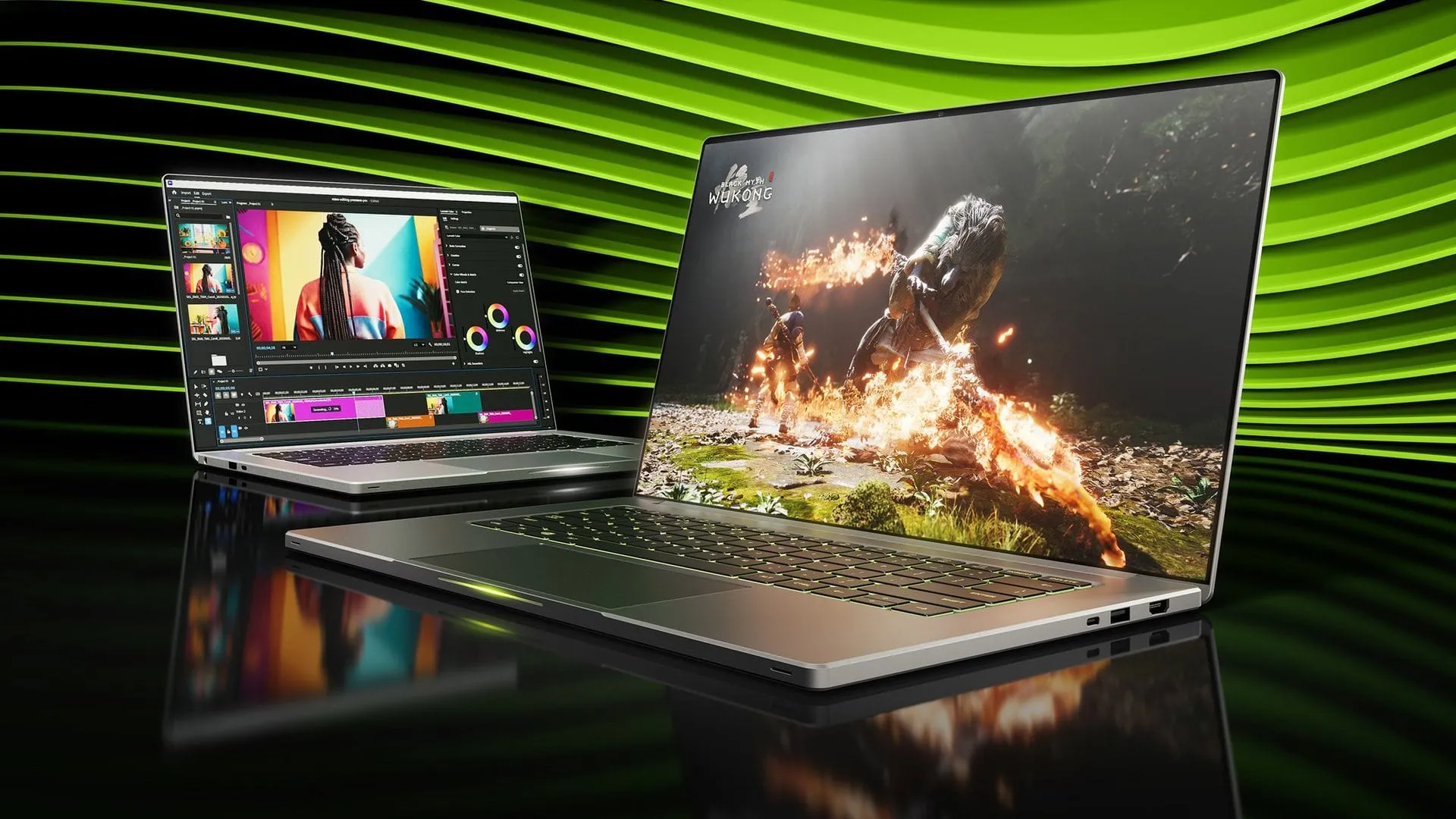
The global personal computer market is undergoing a dramatic contraction, revealing the real-world strain placed on consumer technology by the massive demand for artificial intelligence.
In the third quarter of 2026, global PC shipments plummeted by 20.1%, shedding 15.8 million units. This steep decline signals a significant shift in the technology landscape, moving the market further away from previous growth trends. The downturn was even more pronounced than the modest 3.8% decrease seen in the preceding quarter, dropping 9.1% compared to the second quarter of the same year.
This slowdown is not an isolated market fluctuation; it is a direct consequence of intense supply chain pressures, particularly the crippling cost of memory and components. Experts have long warned that the PC market faces structural challenges, predicting it could shrink by up to 9% in 2026, with the budget segment feeling the pinch most acutely.
The root cause of this contraction lies in the explosive demand for AI infrastructure. Hyperscalers are pouring massive capital into AI data centers, requiring staggering amounts of high-speed memory (HBM). This AI frenzy has created a bottleneck, forcing memory manufacturers to pivot their focus away from consumer goods and toward specialized data center applications.
This pivot has dramatically escalated prices. The scramble for scarce components led to memory prices soaring by as much as 500%, pushing the cost of basic components—such as 128GB of DDR5—to nearly $3,399. This economic reality has created a difficult environment for consumers and manufacturers alike.
The strain on the supply chain was further amplified by strategic inventory management. In an attempt to mitigate future price hikes, many manufacturers stocked up heavily in the second quarter of 2026. While this provided some short-term buffer, it disrupted the normal seasonal flow, contributing to the disappointing shipment numbers.
The impact was clearly felt across the vendor landscape. The top three PC vendors faced significant contraction: Lenovo shipped 22.6% fewer units, HP shipped 30.9% fewer, and Dell saw shipments contract by 25%. Meanwhile, while market leaders like Apple saw an 11.3% shrink, and Asus fell by 8.6%, the overall market experienced a 14% year-over-year drop.
Despite the challenging environment, established players maintained their dominance, with Lenovo, HP, and Dell still holding major market shares, respectively. The narrative is shifting toward a more cautious, protracted outlook for recovery.
Looking ahead, experts suggest that the market is not expected to bounce back until 2029, as the lingering effects of price inflation and component shortages continue to hold sway. While some industry figures are optimistic about future pricing—suggesting a decline by late 2027 as Chinese memory capacity comes online—the current reality suggests that the high-demand environment created by AI will define the PC market for the foreseeable future.
Credit
