Penguin Colony: Weird horror atmosphere and surprises win out
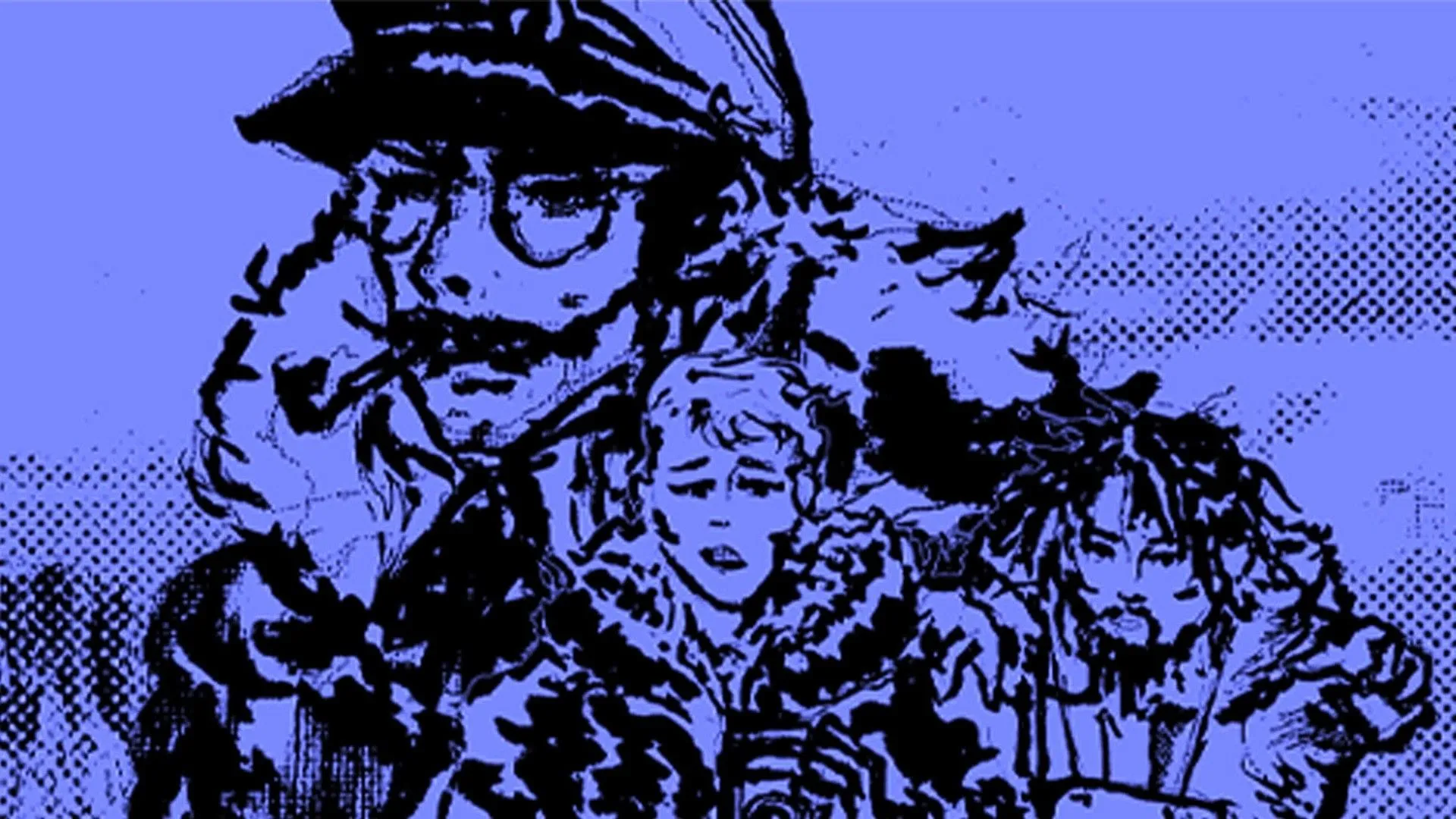
Imagine a world where the echoes of cosmic dread are witnessed through the flippers of a penguin. This is the bizarre, beautiful, and deeply unsettling reality of Penguin Colony, an indie horror game that takes H.P. Lovecraft’s classic mythos and places it squarely on an icy, bewildering platform.
Set for release in October 2026, this title promises a radical recontextualization of cosmic horror, forcing players to experience the terrifying scope of At the Mountains of Madness from the perspective of an avian observer. Your powers are not claws and teeth, but honks, slides, swims, and hops—a distinctly penguin set of abilities that govern your perilous journey through the arctic abyss.
The game’s core hook lies in its unique mechanics. Players are not limited to a single species; you possess the ability to embody any penguin, theoretically harnessing different species’ talents to tackle varied traversal challenges. While the waddling and sliding movement can occasionally feel frustratingly sluggish, it perfectly mirrors the feeling of being an insignificant, awkward observer navigating a vast, inhuman reality.
Yet, this mechanical quirk serves a profound thematic purpose. The frustration of the penguin platforming underscores the feeling of being a small, hapless entity skirting the edges of ancient, unknowable gods. You are a mere footnote in a story of staggering profundity, observing the ancient terrors unfold from a distinctly terrestrial, yet profoundly alien, viewpoint.
Beyond the physical movement, the narrative layers reveal an astonishing depth. The game weaves in interludes where players control groups of Māori warriors, inheritors of a tradition dedicated to containing outer evil. These segments offer a powerful contrast to the main narrative, highlighting a fierce, proactive resolve against cosmic influence, offering a perspective that is both laconic and deeply motivating.
The world of Penguin Colony is further enriched by cryptic hieroglyphs that act as a cipher, rewarding players who seek to decode the text to uncover deeper plot points. This adds a rewarding layer of interactive mystery, making the act of observation itself a vital part of the horror experience.
The game manages to navigate the tricky waters of cosmic horror by refusing to shy away from the uncomfortable truths of its legacy. It boldly confronts the racial fixations inherent in Lovecraft’s work, setting aside the 19th-century baggage to foreground indigenous themes of revenge and survival. This is horror that is not just about the cyclopean ruins, but about the complex, flawed history of those who witness them.
Through its minimalist design and immense scale—evoking the dread found in games like Scorn—the game successfully crafts a dual-layer experience. It is a masterful exploration of how humanity perceives the incomprehensible, offering a unique, unforgettable journey for anyone ready to look past the surface and into the deep, terrifying currents of the beyond.
Buy on Amazon
Credit
