Pentagon data breach: 3 million exposed after ‘hold my beer’
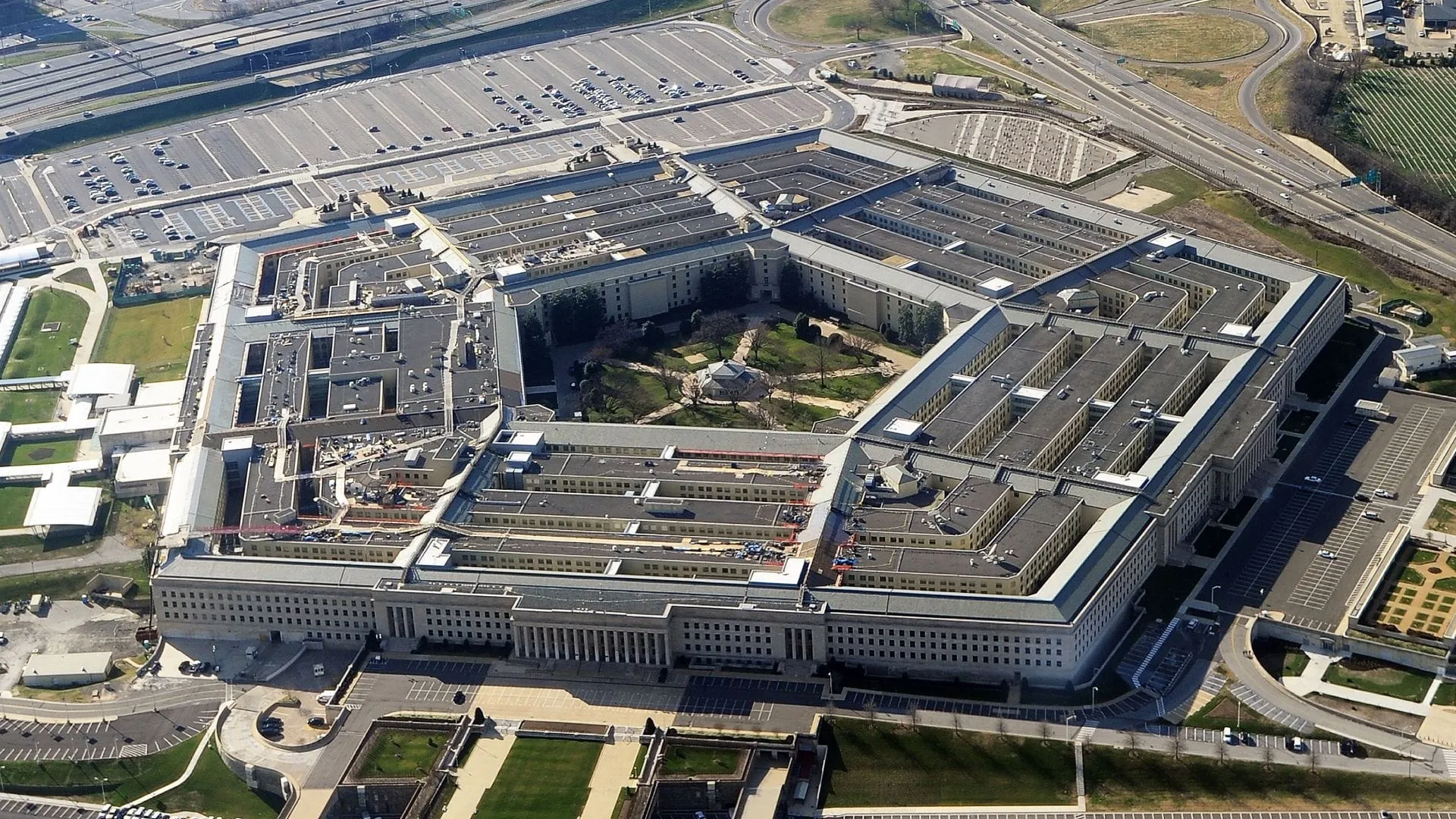
The digital security landscape is facing a sobering reality: the most secure repositories of American government information are not immune to sophisticated digital intrusion. While the public is often aware of large-scale data incidents, a recent breach at the Pentagon’s Defense Manpower Data Center (DMDC) throws a spotlight on the escalating threat faced by civilian and military personnel alike.
This wasn’t just a routine data leak; it was a massive exposure of personally identifiable information that touches millions of lives. Between October 2025 and July 2026, unauthorized users gained access to sensitive records within the DMDC. The data involved personnel information for approximately 2.76 million living individuals and nearly 294,000 deceased persons.
What exactly was exposed? The breach uncovered Social Security numbers and detailed information about the job positions held by military service members and civilian employees. For those involved, the impact is significant, as this data, when combined, can be used to build detailed profiles of individuals and their roles within the defense apparatus.
The magnitude of the data at risk is staggering. The DMDC is a central hub, holding records for more than 60 million people—encompassing military troops, civilian staff, contractors, retirees, veterans, and their families. The exposed set, while large, represents only about one in twenty of those total records. Despite the scope, defense officials have not yet found evidence that this information has been misused by external parties.
However, the very nature of the exposed details raises serious security concerns. Specifically, the access to the “occupational specialty” of service members, when linked with Social Security numbers, could provide foreign adversaries with valuable insights into the deployment strategies and operational purposes of US personnel worldwide.
Compounding the concern is the fact that the stolen information was not encrypted. This lack of security meant that the data was relatively easy for unauthorized parties to cross-reference with other leaked information, making the breach significantly more dangerous.
Though no hacking group has publicly claimed responsibility for the intrusion, the event signals a worrying escalation in the capabilities of cyber attackers. It underscores the fact that the digital bastions protecting US government information are increasingly vulnerable, prompting a serious reflection on the future of national cybersecurity.
Buy on Amazon
Credit
