Pentagon data breach exposes 3 million personnel
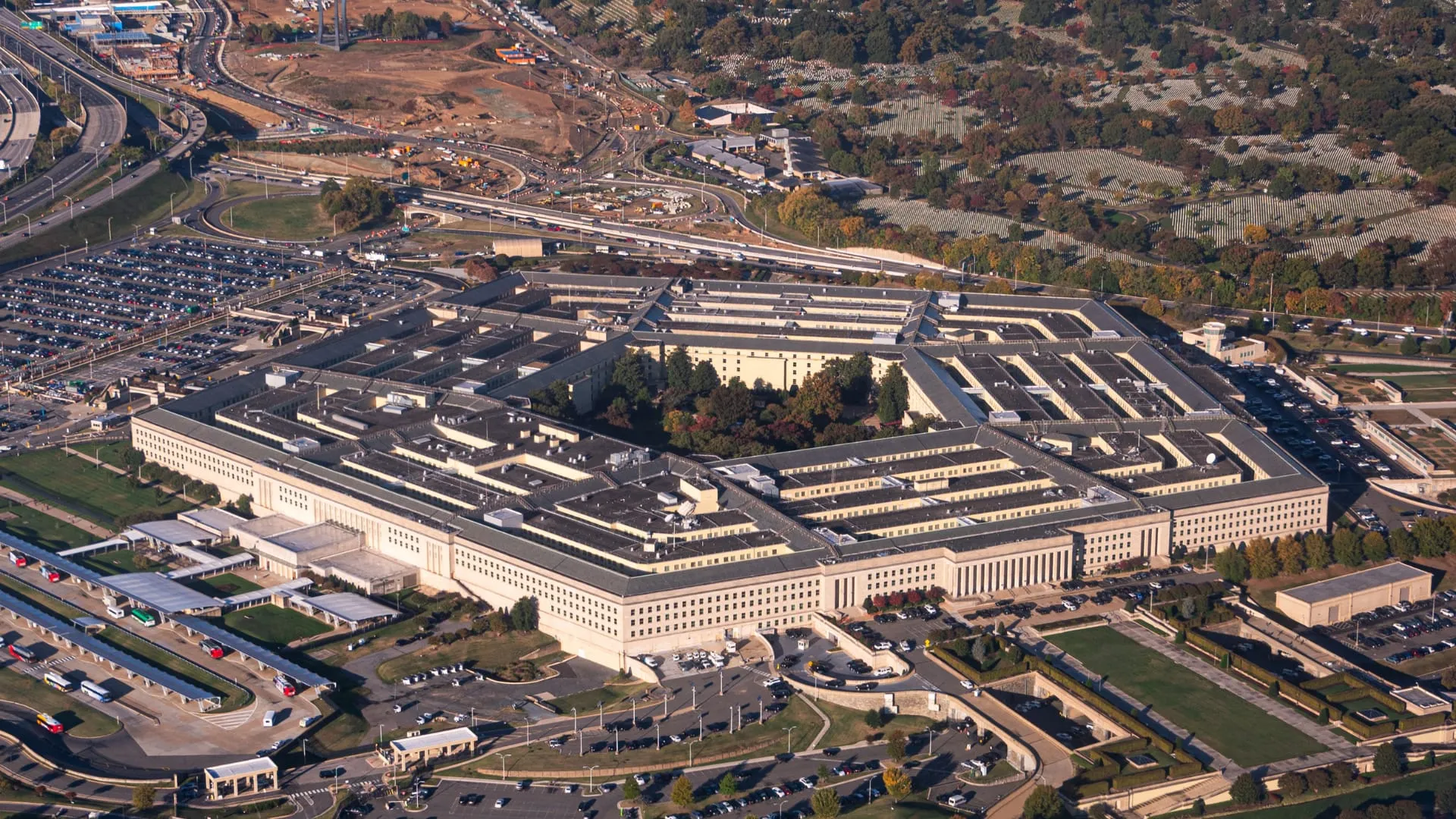
The digital walls protecting America’s military personnel recently experienced a significant breach, exposing sensitive personal data stored within the Department of Defense’s Defense Manpower Data Center (DMDC). This incident highlights the constant and escalating threat facing critical national infrastructure in the age of advanced cyber warfare.
Between October 2025 and July 2026, unauthorized users gained access to 2.76 million records pertaining to living personnel, alongside an additional 294,000 records concerning deceased individuals. The exposed information included critical details such as Social Security numbers and specific job roles for both military and civilian staff.
The DMDC is not just a database; it serves as the Pentagon’s central repository, managing information on active-duty and reserve members, retirees, veterans, contractors, and military family members. With over 60 million records under its care, the potential impact of any security lapse is immense, touching upon the privacy and personal security of millions of people. Furthermore, because the system tracks job details, the breach risked revealing the identities of individuals assigned to sensitive positions related to national security.
Upon discovering the unauthorized access, the DMDC swiftly moved to remediate the vulnerability. A U.S. defense official confirmed that the system was immediately secured, and currently, there is no evidence suggesting that the compromised data has been exploited for malicious purposes.
However, the existence of a breach does not eliminate the risk. While the immediate threat of misuse has been contained, the exposure of sensitive employment histories and personal identifiers means that affected individuals must remain highly vigilant against potential exploitation by criminal elements or intelligence services long after the incident fades from public memory.
This specific event underscores a wider, persistent reality: global adversaries and even allies are constantly probing digital defenses. Cyber threats are not isolated; they are systemic, targeting everything from financial institutions to national defense systems. For instance, reports detail sophisticated attacks, such as Chinese hackers infiltrating the U.S. Treasury Department, and the use of malware like CanisterWorm, which has been deployed to disrupt infrastructure globally.
Even vital infrastructure components, such as industrial control systems, are increasingly targeted. There are ongoing warnings that hackers are attempting to compromise systems used for critical services, linking the DMDC incident to a broader, ongoing struggle to secure the world’s digital foundation.
Ultimately, the breach at the DMDC serves as a stark reminder that digital security requires perpetual vigilance. For those in sensitive roles, maintaining security demands more than just a system fix; it requires an ongoing commitment to protecting personal information in an increasingly hostile digital landscape.
Buy on Amazon
Credit
