Play Super Mario 64 on your Zune HD
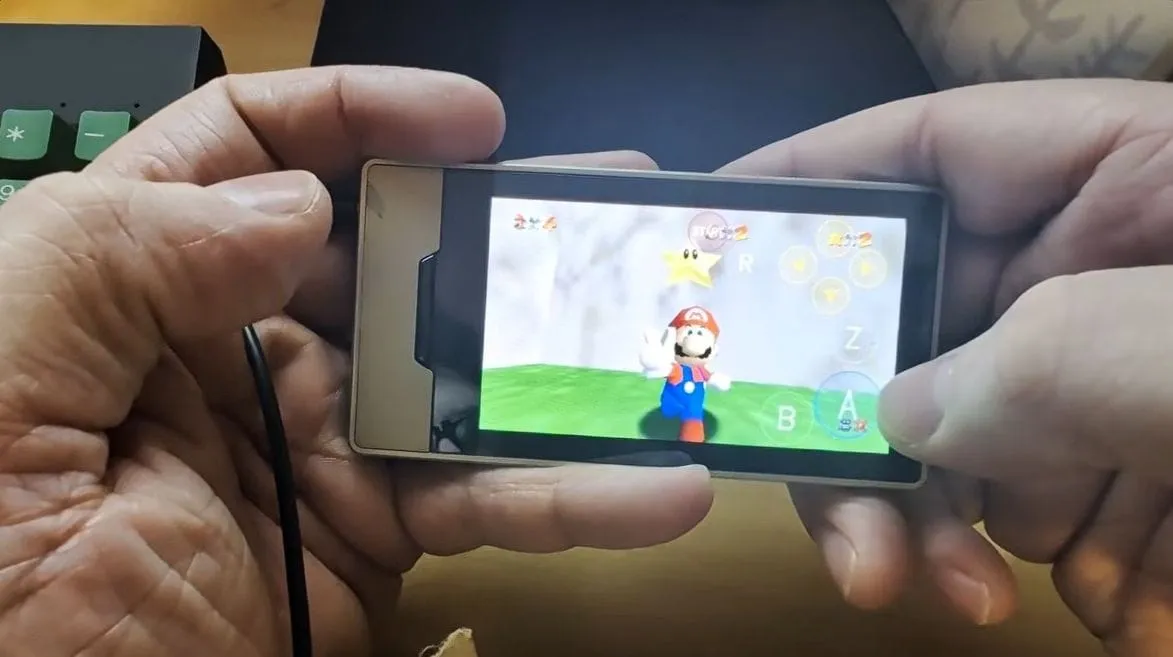
In the world of hardware hacking and retro gaming, innovation often takes unexpected detours. While the mainstream is busy exploring the boundaries of emulation and console jailbreaks, a different kind of digital alchemy is happening—one that involves resurrecting a forgotten piece of Microsoft history to host a classic video game.
Meet the brainchild of GitHub user rsheldiii, a modder who has taken the defunct Microsoft Zune HD media player and transformed it into a surprisingly functional, portable gaming handheld. This isn’t just a novelty; it’s a successful repurposing of obsolete technology to bring a piece of gaming history into the modern age.
The magic lies in the code. rsheldiii effectively ported the original Super Mario 64ex files—which contain a full decompilation of Super Mario 64 running on Linux and Windows—onto the Zune HD platform. The result is a device that runs the classic 3D adventure game, complete with sound, touch controls, and save functionality.
Getting this project running is an exercise in digital precision. The creator outlines that while the goal is to bypass any potential legal hurdles by requiring users to provide their own ROMs, the actual process demands a specific setup. Users need a working Zune HD and a powerful x86-64 Linux PC equipped with Docker and Git.
The initial setup is a brief waiting game, taking roughly five to ten minutes as the system builds the necessary container image and downloads the required compilers. Once the installation is complete, the experience is seamless. The game launches almost instantly, allowing the player to navigate the castle and choose a mission using simple touch controls, with the classic Nintendo 64 buttons clearly displayed on the screen.
The journey of the Zune HD itself is a story of missed opportunities. Launched in 2006 to compete against Apple’s iPod, it aimed to carve out a niche in the burgeoning MP3 player market. The device eventually evolved into the Zune HD model in 2009, featuring a 3.3-inch OLED touch display, an NVIDIA Tegra processor, an accelerometer, and up to 64GB of flash storage.
Despite its technical upgrades, the Zune faced a challenging market reality. It ultimately failed to dethrone the iPod and, following its discontinuation in 2011, Microsoft retired the Zune branding entirely in 2017. It remains a fascinating piece of hardware that slipped into history just as the smartphone revolution began to take center stage.
But for the dedicated hobbyist, as demonstrated by rsheldiii’s project, history isn’t just something to look at; it’s something to remix. This clever hack proves that even the most overlooked pieces of obsolete technology hold incredible potential when given the right creative spark.
Buy on Amazon
Credit
