Programmer ports Mario 64 to Zune HD
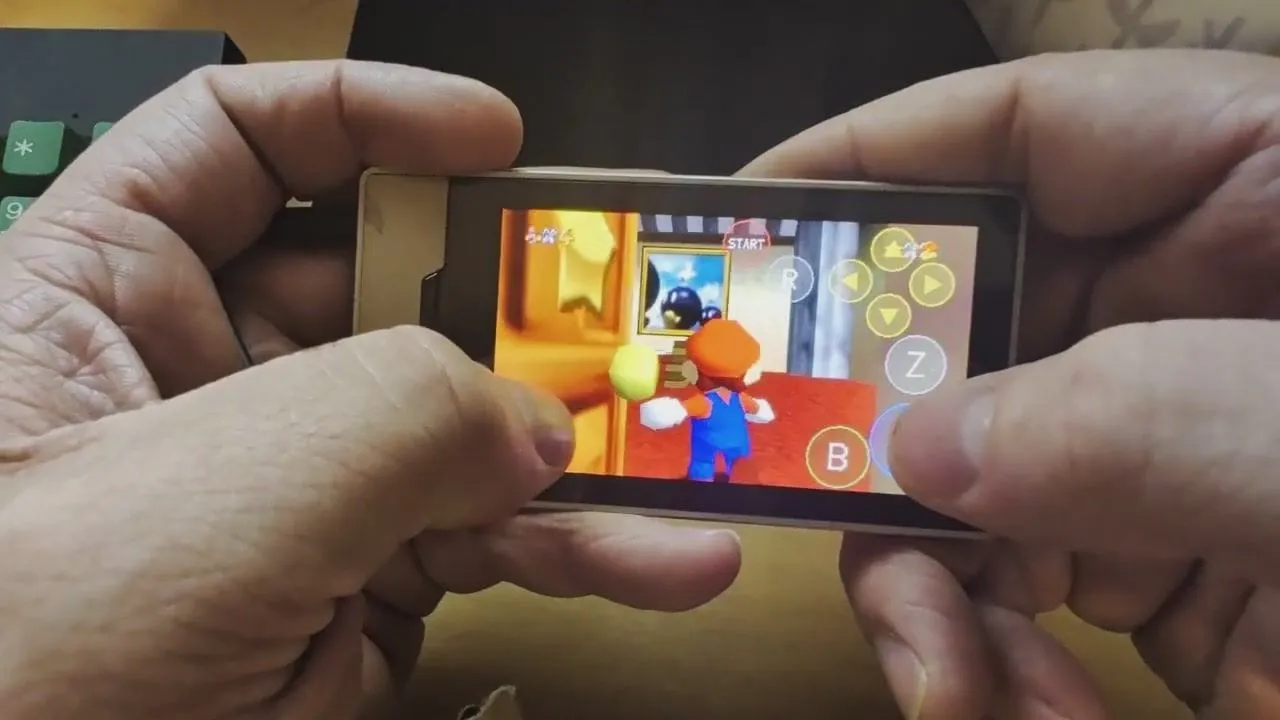
Bringing Mario to the Media Player: How Super Mario 64 Conquered the Zune HD
In the world of retro gaming, achieving the impossible often requires a little ingenuity and a lot of technical know-how. Enter a remarkable project that proves that even aging media players can become unexpected gaming consoles: the unofficial port of Super Mario 64 to the Microsoft Zune HD.
The Zune HD, a 2009-era media player that once competed with giants like the iPod, was built around powerful Nvidia Tegra hardware. While Microsoft halted production of the Zune in 2011, this unique piece of hardware remained a fascinating artifact, especially when explored by the open-source community.
Developers, leveraging an unofficial OpenZDK kit, managed to coax a classic Nintendo masterpiece to run natively on the Zune HD’s system. This wasn’t simply a static port; it was a sophisticated hack that transformed the device into a playable retro arcade experience. The trick lay in bridging the gap between legacy game logic and modern, constrained mobile architecture.
How did they pull this off? The project built upon a community-driven decompilation of the original Super Mario 64, allowing the creators to reconstruct the game’s core structure. This effort, completed by fans in 2019, provided the blueprint for bringing the game to the new platform.
The technical challenges were significant. Since the Zune HD’s graphics driver struggled with advanced shading language, the developers had to employ creative workarounds. They utilized OpenGL ES 2 rendering derived from Fast3D, employing custom shader fixes and blending techniques to get the visuals flowing smoothly. This level of low-level optimization, combined with using custom shader variants, demonstrates a deep mastery of the underlying hardware.
The gameplay itself runs at 30 ticks per second, a testament to the system’s capabilities, though observers noted minor lag when the hardware struggled to keep pace. Despite the performance limitations, the system successfully integrated touch controls, providing a facsimile analog stick and functional buttons for navigating the world.
The experience was further enhanced by a touchscreen overlay, allowing players to interact directly with the action. The developers also managed to prioritize the audio synthesis, ensuring that sound effects remained synchronized and crisp, even when the graphics were working hard.
This project underscores a broader trend in retro gaming: the increasing availability of powerful AI tools and specialized firmware research are opening up countless pathways for hardware and software innovation. Whether it’s porting classic titles to new devices or creating entirely new experiences, the ability to manipulate and repurpose existing technology is becoming the new frontier.
Buy on Amazon
Credit
