Project Zenith the hidden Windows 11 developer experience
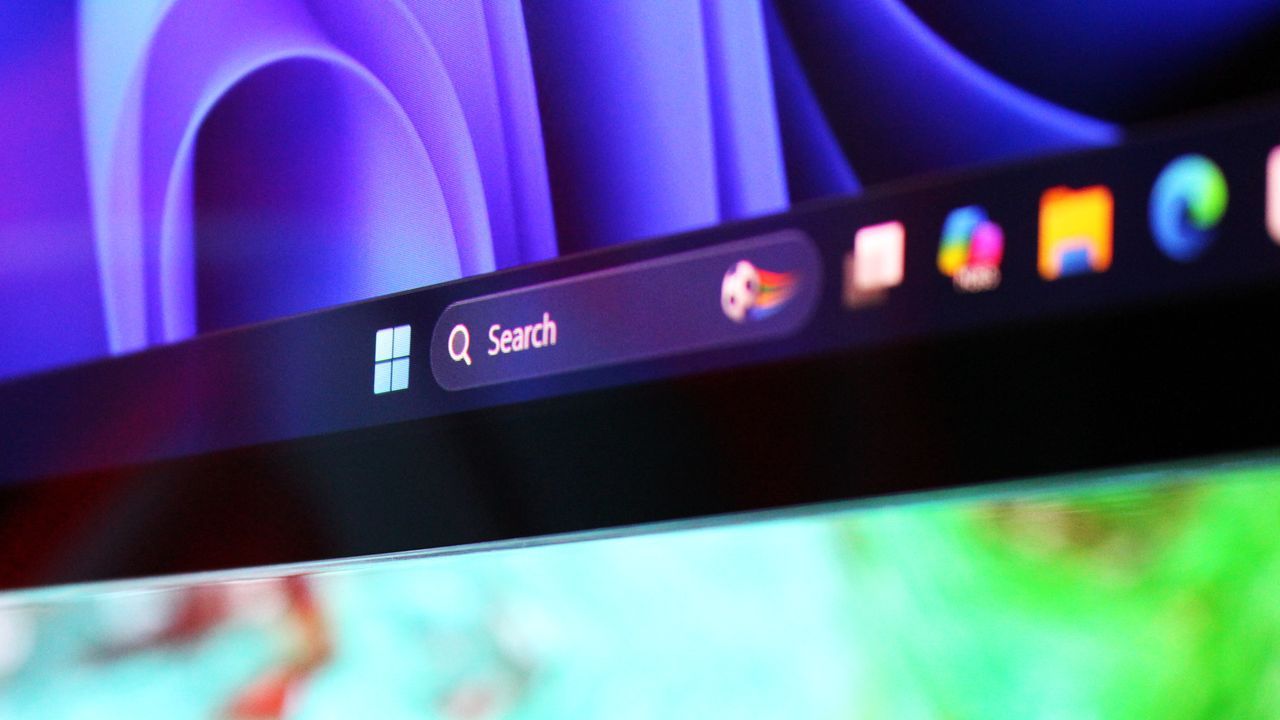
When Microsoft unveiled Project Zenith at IFA 2026, the tech world saw a promise: a new direction for Windows 11 aimed squarely at the development community. This initiative isn’t just a name; it represents an effort to redefine the baseline for developer-ready hardware, tackling the long-standing frustration that setting up a Windows PC for serious coding often feels less like a launch and more like an archaeological dig.
Zenith is designed to establish a minimum standard for performance and configuration, ensuring that new devices are ready to code and compile right out of the box. Crucially, this doesn’t mean a new operating system; it’s about a radically different default experience. Zenith devices will still run standard Windows 11 Home or Pro, but the difference lies in how Microsoft configures Windows 11 to eliminate the setup friction that developers have long complained about.
The real magic of Zenith lies in removing the endless configuration chore. Imagine walking up to a new machine and immediately having the tools you need. Zenith PCs are factory-configured with essential developer applications, such as Visual Studio and GitHub Copilot, already installed and ready to go the moment you log in. This shift eliminates the hours, sometimes even days, developers previously spent wrestling with setup before they could start writing code.
To achieve this streamlined experience, Zenith demands robust hardware specifications. Microsoft set a high bar, requiring these devices to feature at least 64GB of unified memory and a memory bandwidth of 250GB/s for the special preconfigured operating environment. This ensures that the enhanced experience isn’t just software—it’s backed by serious performance muscle.
Beyond the pre-installed software, Zenith implements thoughtful, subtle changes to the default Windows configuration. These adjustments aim to create a cleaner, less distracting workspace. For example, the default settings adjust File Explorer to show file extensions and full paths, ensuring long-path support is enabled. Simultaneously, features that often clutter the desktop, such as details panes, recently used files, and sync provider tips, are turned off by default. Even navigation elements like the Start menu tips and account notifications are minimized to reduce distractions.
These seemingly small tweaks represent a massive win for efficiency. For teams managing fleets of developer devices, this standardization translates directly into saved hours of administrative configuration time. Even for those who opt not to purchase a new Zenith machine, the configuration blueprint remains valuable; existing Windows 11 PCs can be manually tuned to match the optimized Zenith setup.
Ultimately, Project Zenith signals Microsoft’s commitment to positioning Windows as the preferred platform for on-device AI and application development. The focus is clear: empower developers by making the transition from power-on to productivity seamless and enjoyable. As the rollout progresses, we look forward to seeing these developer-focused devices powered by exciting new chips, starting with AMD’s Ryzen AI Halo chips.
Buy on Amazon
Credit
