Protagonist draws a sword in Warlock D&D
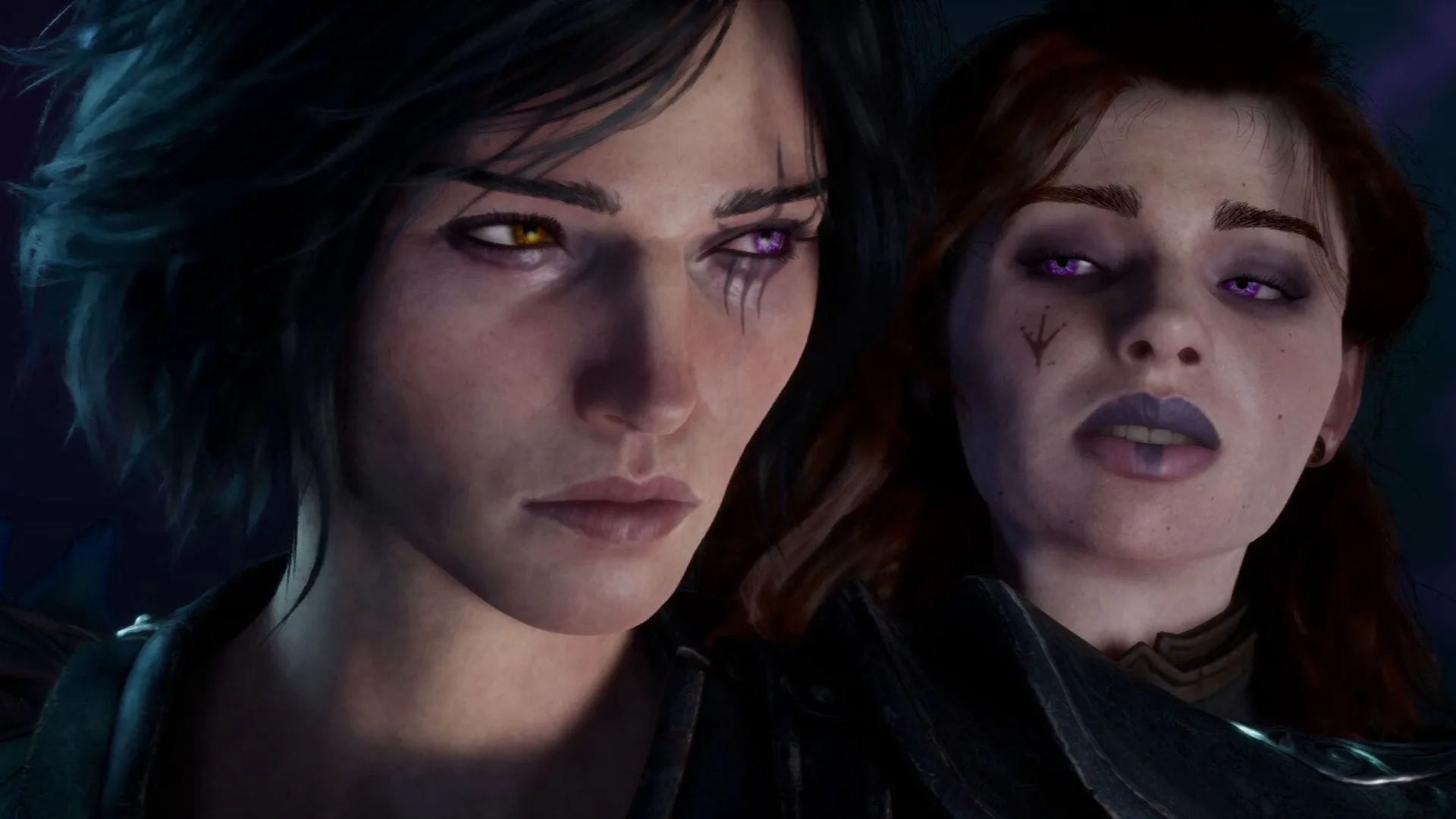
When a game reveal is made, the anticipation often hinges on the promise of novelty. Gamescom’s Opening Night Live showcased eight minutes of Warlock: Dungeons & Dragons, and while the production values were undeniably polished, the real magic wasn’t in the graphics—it was in the mechanical ambitions.
Instead of relying on timed dodges and visceral kills, Warlock dove deep into the realm of invocation-based puzzle-solving and combat. Players weren’t just fighting; they were manipulating their environment. Imagine levitating objects to create platforms, using teleportation spells to swap places with enemies, or conjuring a tempest to make electrical attacks viable. This design pushed the boundaries of player ingenuity, encouraging cleverness over brute force.
However, as the game unfolded, a seemingly small choice—the appearance of a sword—punctured some of the initial enthusiasm. While the mechanics of spellcasting were captivating, the decision to introduce melee combat felt like a detour, shifting the focus away from the core concept of being a Warlock.
The debate isn’t simply about swords; it’s about genre and identity. There is a noticeable gap in the market for games that are purpose-built around wielding the arcane arts. Mages, wizards, and sorcerers are ubiquitous in fantasy roleplaying, but they rarely form the central pillar of a game. This lack of dedicated experiences suggests a lingering perception that arcane power is inherently less masculine or less challenging than physical combat.
This absence highlights a broader issue in game design: focusing on one specific experience often yields more unique results than trying to cater to every possible player. Most big-budget titles aim for a broad appeal, which can dilute the core concept. Warlock’s narrative felt less about being a magic wielder and more about being a generic action-adventure game trying to incorporate a magical element.
The contrast is stark when looking at dedicated spellcasting games. Magicka remains a benchmark for focused, chaotic spellcasting. Its spell-customization mechanic brilliantly captures the feeling of being a wizard—encouraging reckless experimentation that often results in spectacular, if accidental, destruction.
Magicka proves that when developers focus squarely on a specific system, the results can be far more engaging. Fifteen years after its debut, Magicka stands as a powerful example of what happens when you prioritize the unique experience of spellcasting over generic fantasy tropes.
Ultimately, the appearance of a simple sword in Warlock felt like a crutch—a developer’s attempt to assure players that the game would appeal to everyone, rather than pushing the envelope on what it means to be a physically feeble yet magically almighty wizard. It makes one wonder if the next evolution of the Warlock experience will finally deliver on that promise, perhaps taking inspiration from the pure, focused chaos of titles like Helldivers 2.
Buy on Amazon
Credit
