Proton’s Flock map reveals 300k cameras defying cease and desist threats
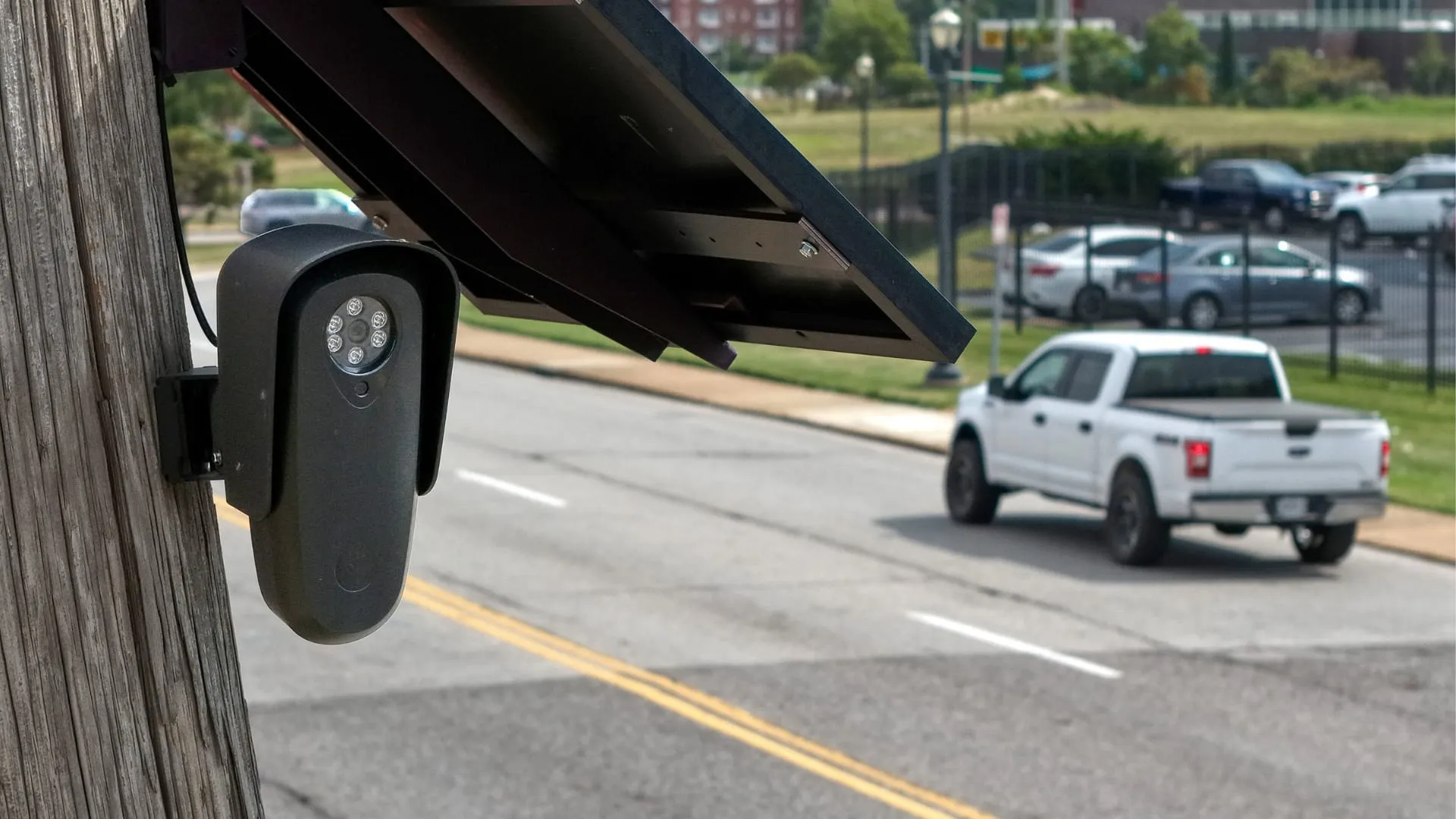
The ongoing debate surrounding automatic license plate recognition (ALPR) cameras pits public safety against fundamental privacy rights. At the heart of this tension is a complex interplay between law enforcement seeking security and citizens demanding transparency. Now, a high-profile collision is taking place at the intersection of this debate, involving powerful technology companies, security researchers, and government surveillance systems.
Proton AG, a leader in privacy-focused services like Proton Mail and Proton VPN, has stepped into this conflict by choosing to host a map of Flock cameras. This initiative involves data sourced from a security researcher, Joshua Michael, who built the map from leaked Flock data. While the original Surveillance Map remains online, the creator is facing legal challenges from Flock, which has issued a cease-and-desist letter. Furthermore, Michael’s website is restricted to U.S. access, requiring users outside the country to rely on VPNs just to view the information.
In sharp contrast, Proton’s version of the Flock camera map is globally accessible, located in Switzerland. This strategic placement makes it significantly more challenging for the surveillance company to pursue legal action, aligning perfectly with Proton’s core privacy ethos. By hosting the map, Proton reinforces a crucial message: individuals have a right to know who is recording them, especially when private entities control sensitive data and the role of law enforcement remains unclear.
Proton frames the map as a tool for personal awareness. It allows users to search by ZIP code to locate where Flock’s license plate readers are situated, empowering people to make informed decisions about their movements and engage with local municipal leaders.
The scrutiny of ALPR technology is warranted, particularly given the documented history of its misuse. While proponents argue that these technologies enhance community safety, critics point to serious concerns regarding privacy and potential abuse. There have been documented instances where police officers have reportedly misused Flock cameras, leading to concerns about stalking romantic partners and cases of mistaken identity stemming from procedural lapses.
This tension highlights the delicate balance society must strike between security and freedom. The data landscape surrounding ALPR is complex, and the availability of transparent, verifiable information—like Proton’s map—becomes increasingly vital for maintaining public trust. Whether the technology is used to foster safety or erode personal liberties depends entirely on how it is governed and utilized.
Buy on Amazon
Credit
