PS5 games run on Xbox One via unusual emulation
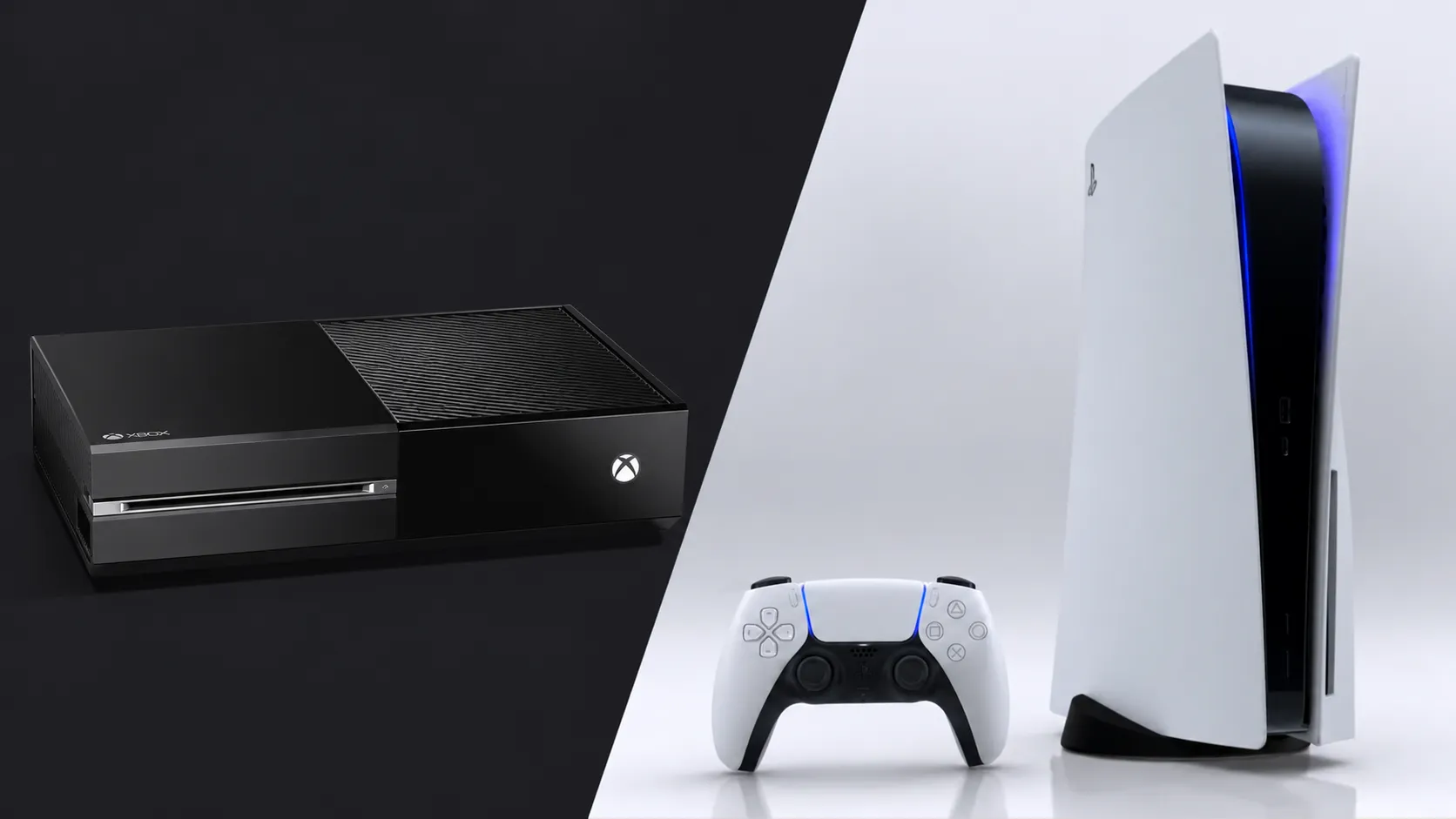
The lines between console ecosystems are blurring, and the gaming world is currently experiencing a wild ride driven by emulation and artificial intelligence. One of the most surprising developments is the ability for PlayStation 5 games to now run on the Xbox Series X, opening up unexpected avenues for cross-platform play and creative experimentation.
This feat isn’t magic; it’s the result of sophisticated technical work. It is made possible through Xbox’s Developer Mode and an AI-driven port of KytyPS5, an emulator designed to adapt for Universal Windows Platform (UWP) applications. While this technology is exciting, the performance metrics currently involved offer a reality check. When tackling demanding titles like Astro Bot, performance on the Series X is currently limited to around 10 FPS. While this isn’t playable, it highlights the exciting potential for future optimization and proves that the feasibility of cross-platform gaming is rapidly advancing.
The scope of this emulation extends beyond the latest generation. Interestingly, the same technology has been successfully applied to older hardware, demonstrating impressive backward compatibility. The emulation framework is also running successfully on the Xbox One. This means that titles like Quake II and Marvel Cosmic Invasion can now be enjoyed on the Xbox One, showcasing how adaptable these modern emulation techniques are.
This trend suggests that the focus is shifting toward leveraging AI and modding to bridge console gaps. With the groundwork laid, the possibility of bringing older titles—such as the beloved PS4 games like Spider-Man or The Last of Us—to the Xbox platform is becoming increasingly plausible. This push for compatibility aligns perfectly with Microsoft’s ongoing focus on innovative features through initiatives like Xbox Labs, which are actively exploring AI-driven games and advanced modding techniques.
Further speculation suggests that the emulation frontier is not stopping there. Given that solutions are already working for the Nintendo Switch on the Xbox Series X and Series S, it seems highly likely that emulation for the Switch will follow soon. As the gaming landscape evolves, driven by these novel technological leaps, the question shifts from “can we do this?” to “what can we create next?” This evolution isn’t just about compatibility; it’s about unlocking a new era of cross-platform digital creativity.
Buy on Amazon
Credit
