PS5 games run on Xbox via emulator
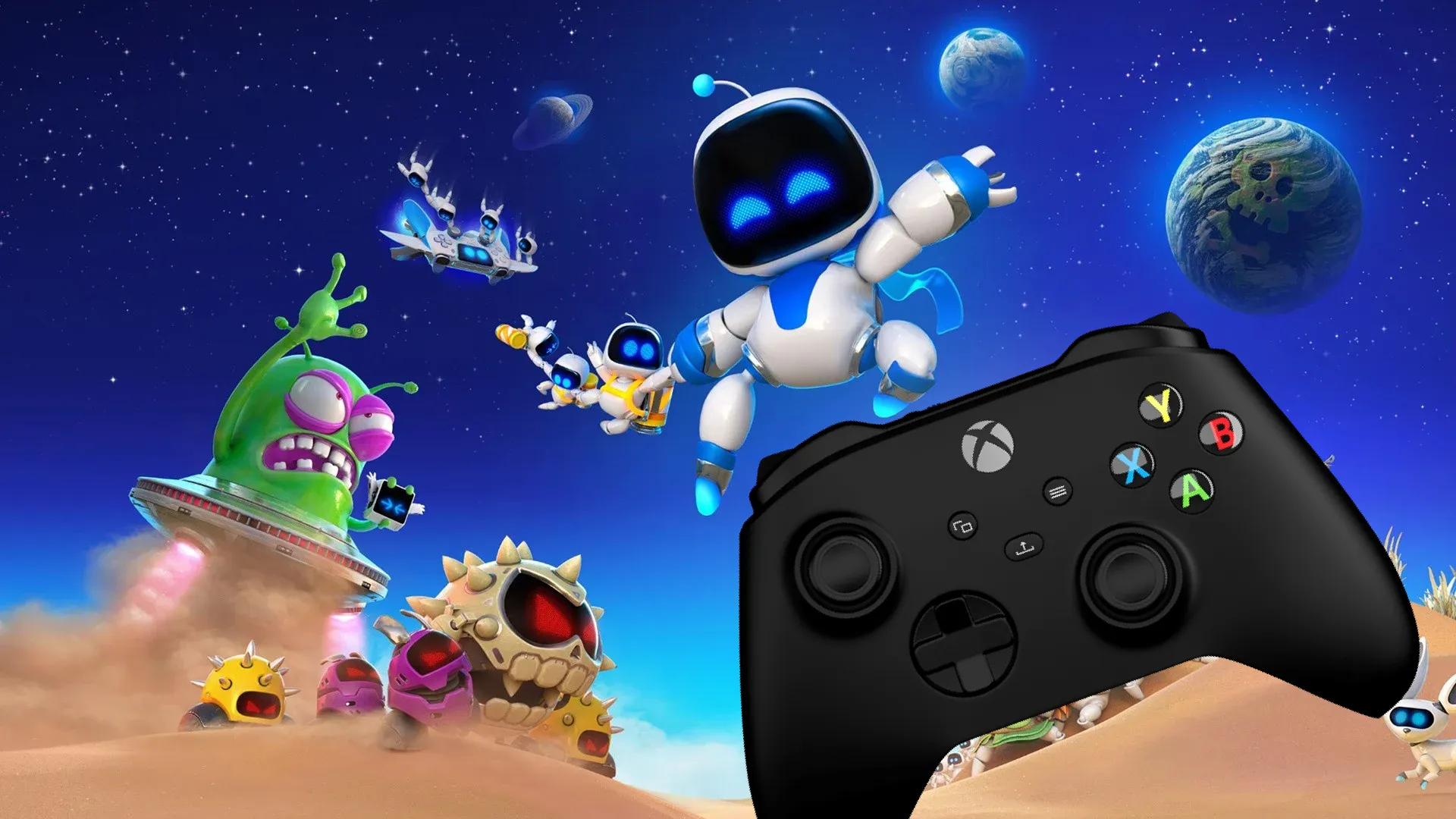
Bridging the Divide: How PS5 Emulation is Taking Over the Xbox Series X
The world of console gaming is defined by exclusivity, but what happens when dedicated fans decide to build bridges between platforms? A fascinating experiment is underway, demonstrating that emulation isn’t just a nostalgic pastime—it’s a powerful engine for cross-platform innovation. Right now, this fascinating shift is happening on the Xbox Series X, where PlayStation 5 experiences are being ported via a clever UWP application.
At the heart of this effort is a project known as KytyPS5>, an emulator that is making significant strides in translating the visual and performance demands of the PS5 onto Xbox hardware. This ambitious work is being driven by community-led efforts, with key contributions being made by developers focused on pushing the boundaries of what modern console architecture can achieve.
The technical magic behind this cross-platform migration involves sophisticated code translation. The Xbox version of the emulator incorporates a Direct3D 12 renderer that utilizes Mesa’s spirvdxil to handle the translation of shaders. This intricate process is what allows the demanding graphics of PlayStation titles to be interpreted and displayed on the Xbox architecture, proving that complex technological hurdles can be overcome through creative engineering.
Initial testing reveals a spectrum of performance, showcasing both promise and the ongoing challenges of emulation. Games like Astro Bot> are currently running at around 10 FPS, a testament to the complexity involved in the translation. However, other titles are showing even more impressive results. Demonstrations of Demon’s Souls> and Astro Bot> playing at over 60 FPS highlight the potential for smooth, enjoyable gameplay, even in these demanding scenarios.
The work is a clear illustration of how innovation thrives outside of official hardware boundaries. While some developers focus solely on native console development, others are leveraging advanced techniques to unlock new experiences. This movement, fueled by community ingenuity, shows that the desire for seamless gameplay transcends the boundaries of proprietary systems.
This trend is part of a larger movement in console gaming, where the focus shifts from restrictive hardware limitations to open, adaptable gaming experiences. Whether through emulator projects or explorations into cloud gaming services, the goal remains the same: delivering compelling, accessible, and high-fidelity gaming experiences to everyone.
Buy on Amazon
Credit
