Punting Meta’s Muse AI mascot into the void
The Cringe of Cute: Why Meta’s AI Mascot Is Causing a Stir
The world of artificial intelligence is rapidly evolving, moving from complex code and algorithms to something that looks, feels, and interacts with us. At the forefront of this shift is Meta’s Muse AI assistant, a system designed to integrate into our daily lives. To launch this sophisticated tool, the company unveiled not just the technology, but also a furry, fluffy mascot named Jolly—a design choice that has sparked a fascinating, if uncomfortable, debate about the aesthetic of AI.
Muse is positioned as a revolutionary assistant, promising to allow users to communicate in real-time and navigate various aspects of their day seamlessly. The goal is to make advanced AI accessible, but the execution of this accessibility relies heavily on the visual presentation. Alongside the AI itself, Meta also introduced the Muse Charm device, adding another layer to this new technological ecosystem.
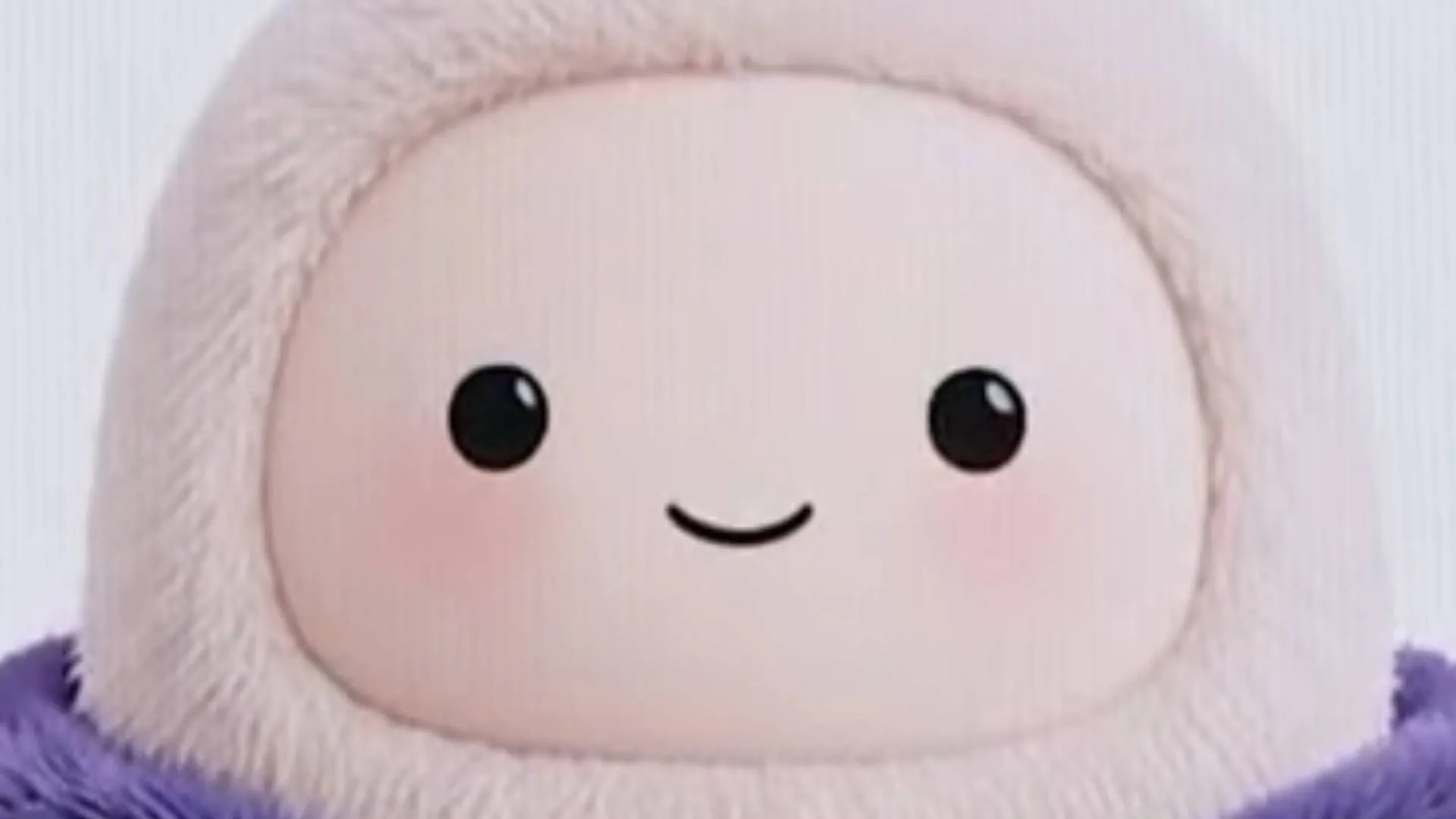
However, the most polarizing element of the launch is the mascot. Jolly, the face of the entire Muse operation, is undeniably cute, characterized by rounded edges and soft fur. While the company positions the character as “jolly and completely customizable,” the design has elicited a strong reaction, prompting many observers to question the intersection of childish aesthetics and cutting-edge technology.
This visual strategy seems to lean heavily into a desire for mass market appeal. Critics note that the mascot’s design feels laser-targeted toward broad consumer appeal, blurring the line between sophisticated technology and a plush toy. This embrace of “cute” features suggests a deliberate attempt to humanize the product and make powerful AI technology more accessible to everyone, rather than just early adopters.
This approach is not without its strategic rationale. Some experts suggest that Meta may be leveraging an innate human attraction to infant-like or cute features to ease the public’s acceptance of surprising new technologies. Furthermore, in the broader landscape of AI development, there is a noticeable trend toward “humanizing” machine learning, and attaching a gentle face to a data-intensive product fits neatly into this trend.
The reaction to this aesthetic choice is complex. While the intention behind the design is clearly to create a friendly, approachable interface, the resulting image provokes a feeling of discomfort for some. It raises questions about what we are willing to embrace when we integrate highly advanced systems into our personal spaces.
Ultimately, the success of the Muse mascot will depend on whether its appealing design can successfully bridge the gap between advanced intelligence and casual interaction, or if it will remain a symbol that causes more cognitive dissonance than comfort. As AI continues to evolve, the visual language we adopt will become just as important as the code we write.
Buy on Amazon
Credit
