Putin votes online using unlicensed Windows on a foreign Dell PC
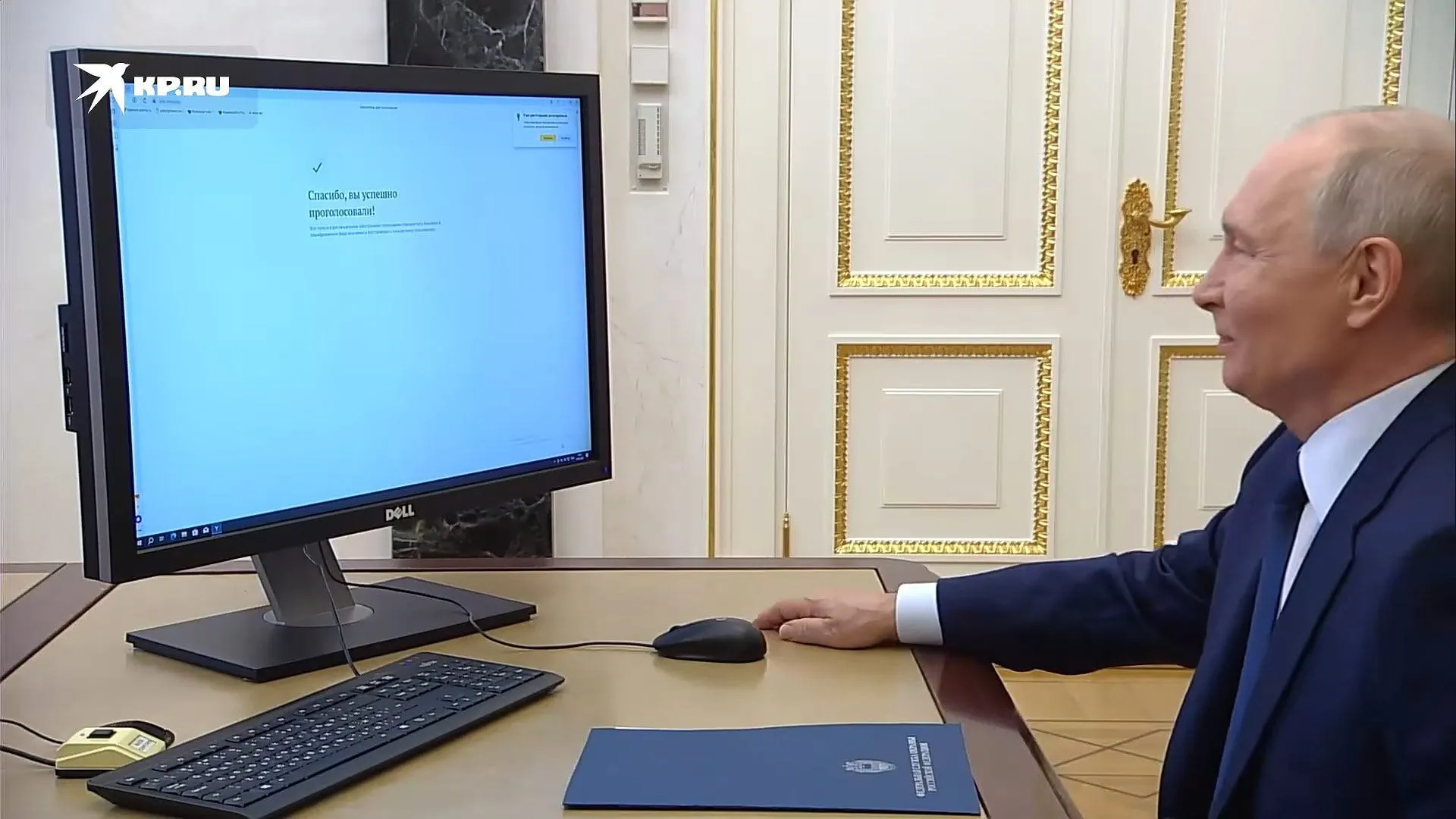
The Digital Vote: When the President Voted on Unlicensed Software
In a move that sparked widespread discussion and some digital snark, Russian President Vladimir Putin recently cast his vote in the State Duma elections online. While the act of voting itself is routine, the way it was filmed has generated a fascinating, if slightly absurd, side story involving operating systems, computer skills, and Kremlin optics.
The official video, widely circulated outside of Russia, captures the moment of the vote. What caught public attention was not just the remote participation, but the setting: the President was seen operating a Dell PC, running what appeared to be an unlicensed copy of Windows. As he clicked his choice, he offered a simple but loaded remark: “You can’t go wrong.”
This seemingly simple interaction quickly spiraled into a digital mystery. Observers noted visible watermarks related to Windows activation, raising questions about the legitimacy and legality of the software used for such a high-profile government action. In a world where software piracy is a persistent issue, the use of unlicensed operating system copies on such a visible stage drew immediate scrutiny.
Adding another layer of intrigue, the technical execution of the vote itself was a subject of commentary. Some observers pointed out that the interaction between the President and the voting interface appeared to involve noticeable pauses, suggesting potential difficulties with hand-eye coordination. This observation led to some lighthearted speculation about the necessary technology—wondering if the Kremlin needed a dedicated Big Picture Mode just for the act of voting.
While the technical details generated buzz, state media confirmed the context of the vote. The session was dedicated to electing deputies for the 9th State Duma. Furthermore, the vote included residents from the recently incorporated Donetsk, Lugansk, Kherson, and Zaporozhye regions, marking a significant expansion of legislative participation.
The contrast between the serious nature of national elections and the focus on computer aesthetics is telling. The fact that the vote was conducted remotely, and the specific choice of hardware, suggests a calculated presentation. Some theorize that using a foreign-branded computer might have been part of a strategy to ensure the recording was clean, separating the official act from standard government networks.
The incident served as a sharp reminder that even in the digital age, the presentation of power is always being scrutinized. Whether it was the software choices or the mouse skills displayed on screen, the Kremlin’s remote participation offered more than just a political result; it provided a unique glimpse into the intersection of technology and statecraft.
Buy on Amazon
Credit
