QLC NAND storage drops 38% during heavy iPhone writes
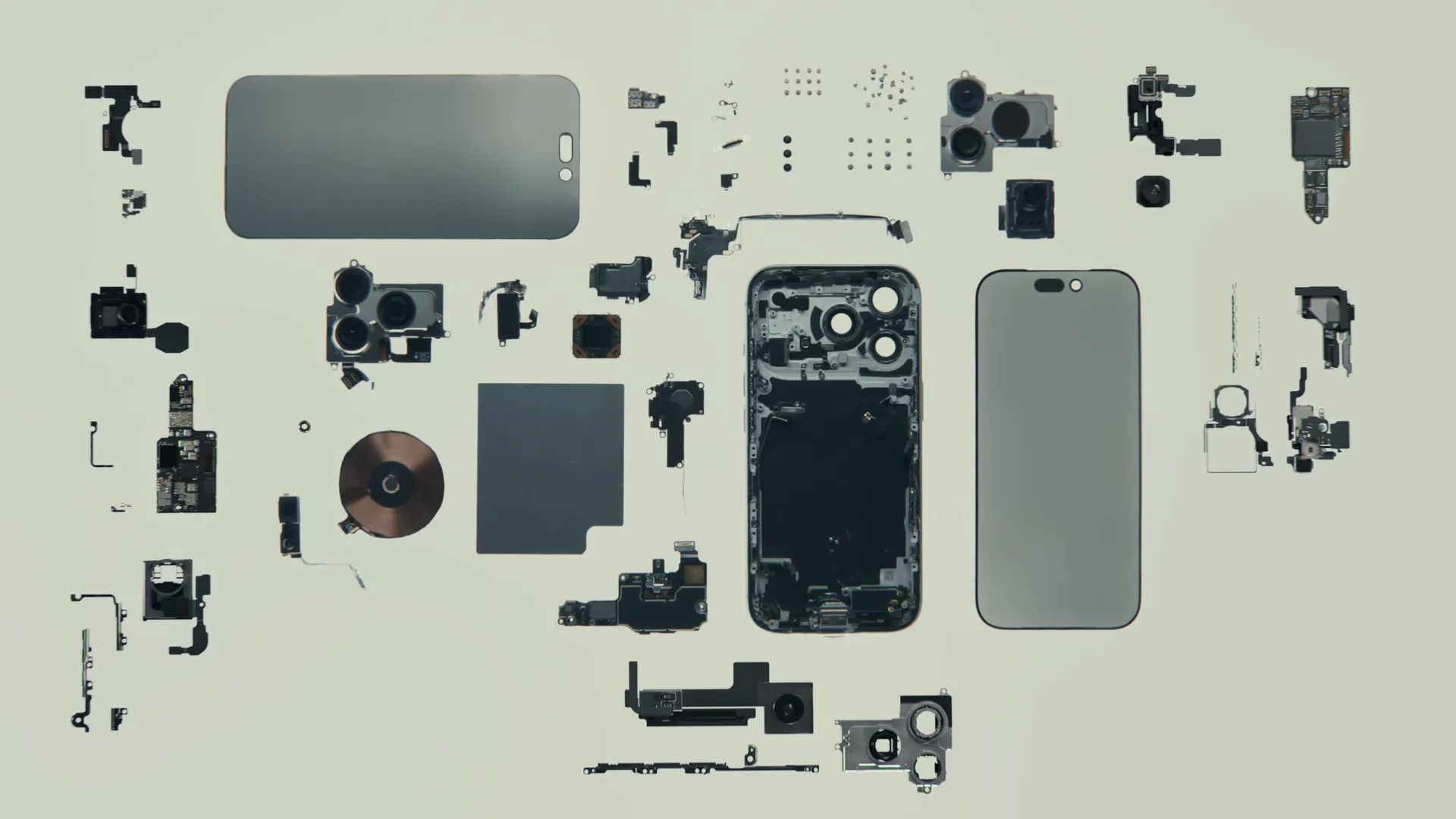
The Capacity Conundrum: How Apple’s New Storage Tech Creates a Performance Trade-Off
When Apple rolled out the latest iPhone 18 Pro series, the focus was on pushing boundaries in design and processing power. But beneath the sleek exterior, a fascinating technical trade-off was being introduced: the shift toward QLC-based NAND storage to achieve higher capacities. While this move successfully allows manufacturers to pack more storage into the same physical space, it introduces a subtle but measurable performance cost, especially when pushing the limits of data handling.
The fundamental difference lies in how data is stored. Traditional TLC (Triple-Level Cell) uses three bits per memory cell, offering stability and speed. In contrast, QLC (Quad-Level Cell) allows for four bits per cell, dramatically increasing storage density. This density is the key to massive capacities, but it necessitates a more complex way of reading and writing data, which inevitably impacts speed under strenuous conditions.
To determine the real-world impact of this technology, tech reviewers recently put the new hardware to the test. Using rigorous benchmarks, testers compared a 1TB iPhone 18 Pro Max utilizing QLC storage against a 512GB model using the more traditional TLC format. The results painted a clear picture of the performance trade-off, particularly when the system is under heavy load.
In specific mixed workloads, the QLC model demonstrated a noticeable slowdown. In one test scenario, the QLC storage fell behind the TLC counterpart by a significant margin, showcasing that while capacity increased, raw data throughput suffered in certain demanding tasks.
The performance dip became even more dramatic when testing sustained write operations. When the phone’s internal cache was filled, the system had to resort to the slower QLC NAND directly. During these heavy write tests, speeds plummeted. For example, sustained write performance in the QLC setup could drop to as low as 79.4 MB/s, and in extreme cases, even lower, sometimes falling below 25.6 MB/s.
This slowdown is not a concern for casual users browsing the web or messaging. The critical performance gap emerges when dealing with storage-intensive activities, such as high-resolution 4K or ProRes video recording, large file transfers, or complex data backup restores. This is where the architectural difference between the storage types becomes acutely felt.
Ultimately, the story of QLC in flagship smartphones is a classic engineering balancing act: maximizing storage density comes at the cost of peak performance during intensive operations. While the phones remain incredibly fast for everyday use, users who regularly engage in heavy data manipulation will notice the performance difference when the system demands the full capacity of its storage.
Buy on Amazon
Credit
