Ranking Resident Evil Villains I Could Change
The world of Resident Evil is steeped in terrifying monsters, but perhaps the most compelling antagonists are not always the shambling zombies. They are the villains—the architects of horror, the twisted minds that drive the narrative. And when it comes to redesigning these iconic figures, the conversation shifts from jump scares to deep psychological analysis.
Some of the most immediate candidates for a complete overhaul are those whose motivations seem fundamentally flawed. Take Donna Beneviento, for example. It’s easy to see in the story of Resident Evil Village that her actions stem from a place of deep, misplaced desire. One could easily reframe her story by focusing on empathy rather than pure predatory instinct, suggesting that her obsession with her dolls was a symptom of something broken, rather than pure evil.
The complexity deepens when we move to figures like Alex Wesker. While she certainly wielded immense power, her motivation often boils down to a cocktail of narcissism and a need for validation. This is where the exercise in character change becomes truly fascinating. If we look at her god-complex, we realize that power often corrupts the user, and perhaps a shift in perspective could reveal a more nuanced, if still formidable, villain.
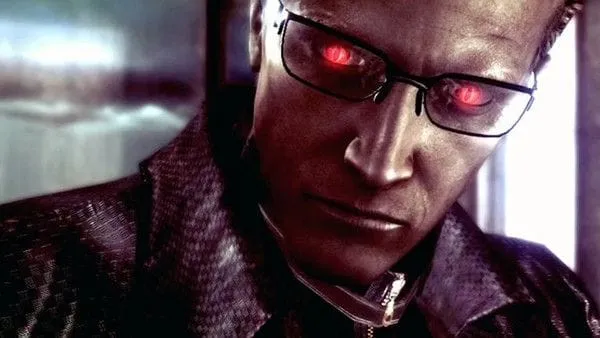
The challenge becomes even greater when examining the intertwined figures of Albert Wesker and T-00, also known as Mr. X. These characters represent a higher level of menace, requiring a more careful approach. For Albert Wesker, the ability to alter his trajectory hinges on one’s ability to inject empathy and a winning attitude into the equation. For T-00, the initial hurdles are steeper. One might start by addressing the source of his extreme fear, recognizing that fear is a potent, but ultimately limiting, emotion. Giving Mr. X a more relatable, human name could unlock entirely new avenues for understanding his capacity for villainy.
The process of changing these established antagonists is less about erasing their history and more about recontextualizing their suffering. It forces us to look beyond the mask of evil and consider the human, flawed desires that lie beneath the surface of monstrous ambition. Ultimately, the power of a great villain lies in their contradiction, and perhaps by humanizing these figures, we unlock a new, even more disturbing layer of narrative depth.
Buy on Amazon
Credit
