Ransomware attacks Synology NAS via old RCE flaw
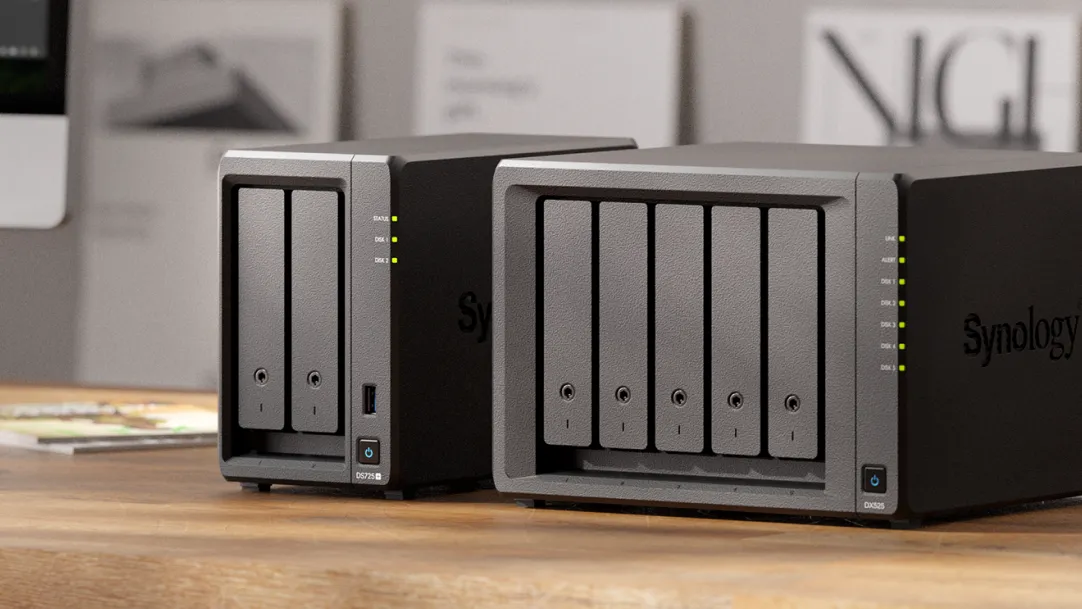
The digital world is often governed by a simple, yet profound, truth: the weakest link in any security chain is rarely the sophisticated hacker; it is often human complacency. This principle was powerfully illustrated by a recent incident involving a home server, showcasing how easily even technically adept users can fall victim to outdated security habits.
One such incident involved a Reddit user named NakamuraHwang, who experienced a ransomware attack on their Synology DS918+ Network Attached Storage (NAS). While the data itself was safely backed up using a robust 3-2-1 strategy, the intrusion exposed fundamental vulnerabilities in the setup.
The investigation revealed that the attack was made possible by simple oversights: the NAS unit had its web interface directly exposed to the internet, and critically, the operating system was roughly eighteen months behind on essential security patches. This situation serves as a stark reminder that overlooking routine maintenance is far more dangerous than relying solely on advanced defenses.
The attack vector itself pointed toward a known remote code execution vulnerability, specifically CVE-2024-10441, which had been publicly disclosed some time prior. This vulnerability was not a unique, exotic threat, but a preventable lapse in basic security hygiene.
System administrators often serve as the frontline observers, noticing these security deficiencies in the setups of others. Yet, the challenge lies in translating that knowledge into immediate action. The ease with which systems can be compromised underscores a broader problem: the systemic failure to prioritize security updates.
The complexity of modern security often masks simple, yet overlooked, operational flaws. It is this gap between theoretical security advice and real-world implementation that creates fertile ground for cybercriminals.
Furthermore, the experience highlights a frustrating disconnect between manufacturers and their consumers. Synology had released its own advisory regarding the exploit, but the user experience revealed a more complicated picture. The user interface happily reported that the device was up to date, even while critical security updates were waiting to be manually installed.
This discrepancy points to a systemic issue. Security vendors are not providing a simple, direct channel for critical vulnerability warnings, relying instead on customers to sift through fragmented updates and community forums to understand their device’s true security status. This lack of direct communication, combined with the necessity of manual patching—like applying the fix for the PHP2Shell vulnerability separately—adds layers of complexity that increase the risk.
Ultimately, the lesson remains clear: while tools like Tailscale can simplify the process of establishing a secure network connection, they cannot replace the fundamental discipline required to keep software updated and maintain vigilance. In the digital landscape, staying current isn’t a luxury; it is the essential firewall against chaos.
Buy on Amazon
Credit