Rare footage tour of CompUSA NYC 2000
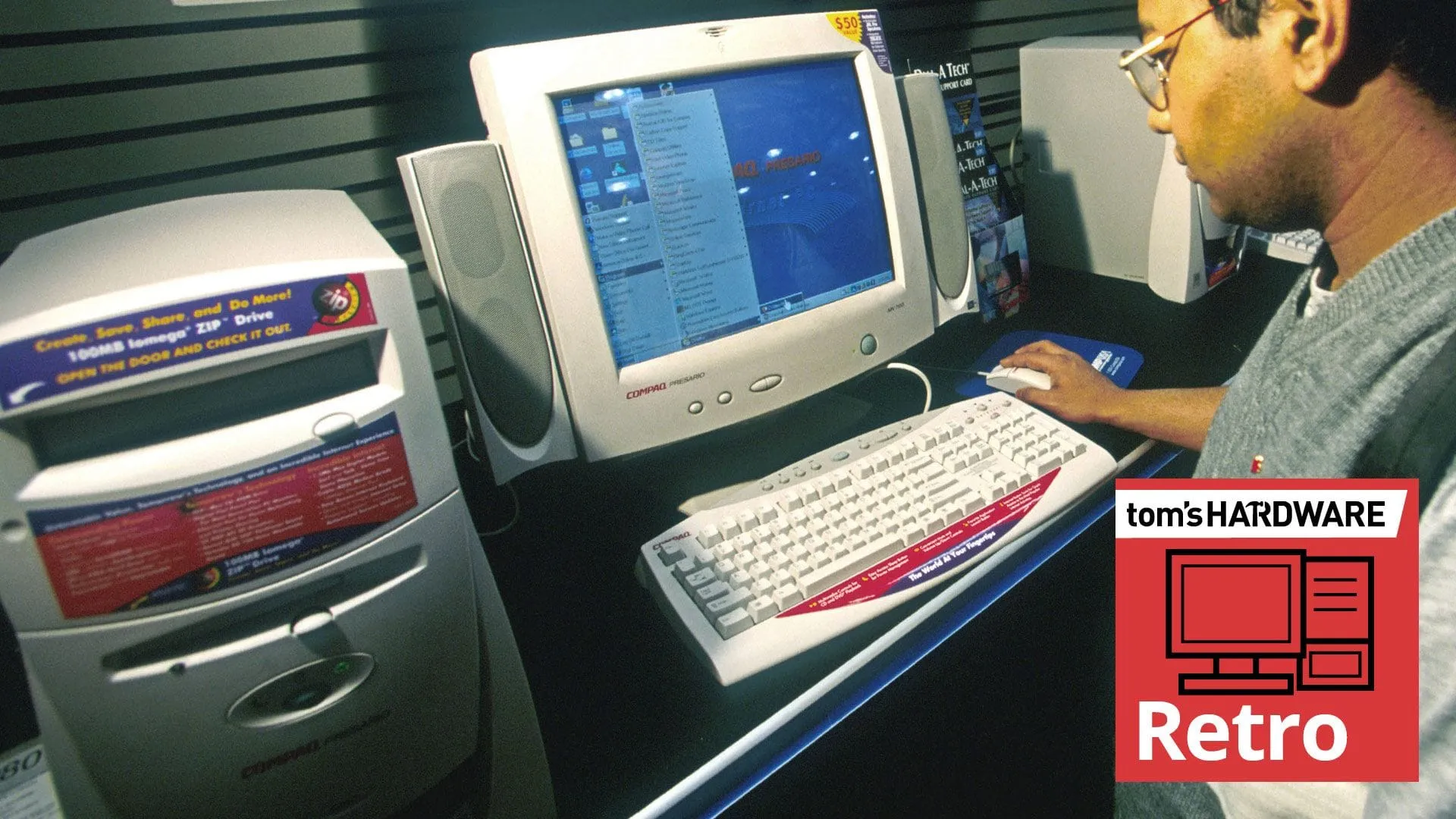
Ever wished you could press rewind on time? A recent video shared online offers a tantalizing glimpse into a bygone digital era, transporting viewers directly into the chaotic, beige-and-plastic world of a CompUSA retail store in New York City, dated November 2000. This footage serves as a beautiful, nostalgic trip back to the age of Windows Me, Pentium III, and Athlon processors, an era defined by chunky CRT monitors and systems that felt both revolutionary and wonderfully analog.
The video immediately immerses the viewer in the atmosphere of a computer store that, despite the rise of online shopping, was still a physical hub for technology. The scene is a visual symphony of mass-market technology: walls lined with CRT monitors, and aisles overflowing with peripherals, boxes, and burgeoning computer stock. It captures that unique pre-e-commerce feeling—a physical, tangible presence in the digital marketplace.
Among the displayed items, the video offers a fascinating look at the hardware of the time. One standout display featured a trio of stylish Sony VAIO laptops. Central among them was a specific model, the Sony VAIO C1 Series ‘PictureBook’ PCG-C1VN subnotebook, powered by a Transmeta Crusoe TM5600 processor. This compact machine, weighing about 2.2 pounds, highlighted the miniaturization efforts of the era, featuring an 8.9-inch display and an ATI Rage Mobility graphics card.
Further into the footage, the store showcased the diverse landscape of desktop computing. Shoppers browsed machines like Compaq Presario PCs, recognizable by their translucent accent faceplates, a nod to the burgeoning iMac aesthetic. These systems typically ran on reliable chips like the Intel Pentium III or AMD Athlon/Duron processors, paired with graphics solutions such as Nvidia GeForce2 MX or S3 Savage4 cards. Piles of boxes demonstrated the sheer volume of hardware available for consumers at the time, with one package revealing details of an AMD Athlon 1.0 GHz machine.
The presence of Apple hardware was also evident, with the display including a Power Macintosh G4 Dual 500 desktop. This powerful machine, featuring twin 500 MHz G4 processors, represented the high-end segment of the market, costing an eye-watering $3,500 and boasting technologies like a DVD RAM drive. This juxtaposition of mainstream volume and high-end luxury defined the retail experience of the time.
The store also presented the peripherals that accompanied this digital revolution: various HP printers boxed up, shelves of unboxed models, and promotional materials for Windows Me. The final moments of the video, showing customers at the checkout inquiring about mail-in rebates for an HP printer, perfectly summarized the transaction of that era—a blend of physical goods, evolving technology, and persistent consumer habits.
While the footage captures a moment in time, it also serves as a poignant reminder of the evolution of retail itself. The CompUSA brand, itself a casualty of competition from big box stores and the explosive growth of online retail, ultimately saw mass closures and liquidation in the late 2000s, with its retail identity finally retiring in 2012. Yet, these archived images continue to offer a vivid, engaging window into the vibrant, sometimes chaotic, history of personal computing.
Buy on Amazon
Credit
