Recession revealed by Vampire game Steam charts
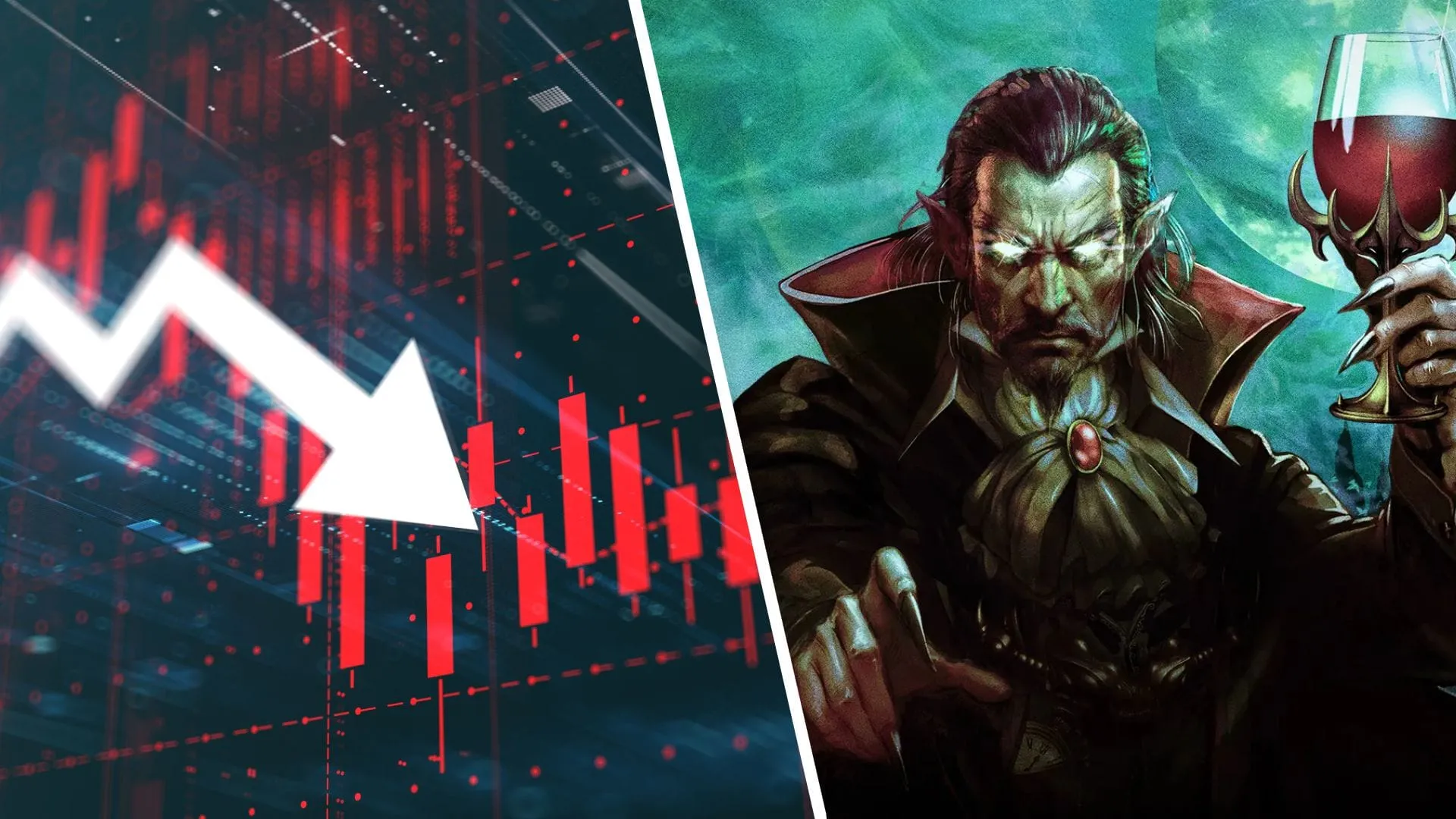
When the spreadsheets tell one story about the economy, it rarely match the feeling in the real world. Despite the impressive GDP numbers, the average person often experiences a sense of financial anxiety. Yet, amidst the current backdrop of compounding supply crises and mass layoffs, a peculiar trend has emerged: the rise of what might be called “vampire games.”
It might sound absurd, but observing the landscape of Steam lately has led to a strange, chilling hypothesis. Did developers, reacting to increasingly dire economic conditions, pivot toward creating games steeped in the lore of Dracula and the undead? The evidence suggests that the popularity of these titles—such as Vampire Survivors and V Rising—might be a subtle indicator of collective economic dread.
The initial thought might be that the Steam “Vampires” tag is simply a categorization gimmick. However, to truly assess this trend, a deeper look at the data is required. The issue is that the tag itself is messy, reflecting a general lack of categorization across the platform. To track genuine developer interest, one must look beyond release dates and dive into the history of the games themselves.
The process of uncovering this trend required a dedicated dive into SteamDB, tracking when these titles first appeared on the platform. This painstaking effort involved manually sorting through thousands of games to determine which ones genuinely fit the criteria of being a true vampire experience, excluding those that merely featured a vampire character without a cohesive theme.
By tracking the first appearances, we can see a dramatic shift. While the total number of Steam releases has increased significantly over the last few years, the percentage of games focused on vampire themes is trending steadily upwards. This increase, though still modest—less than one in ten games—is a palpable shift in digital culture.
To capture this dynamic, a unique metric was devised: the Vampire Menace Rating™”>Vampire Menace Rating™. This metric attempts to divide the quarterly appearances of vampire games on SteamDB by the total number of game launches, providing a relative measure of how much of the platform’s collective mindshare is being occupied by vampire themes. While the trend line shows a slight climb, the implication is undeniably chilling: the focus is growing.
This digital observation, however, must be balanced against the broader economic reality. While the online trend points toward fictional dread, real-world financial indicators paint a more complex picture. While the stock market may be breaking records, the cost of living is surging. The Consumer Price Index for urban consumers has risen sharply, and the Producer Price Index for wholesale trade is climbing, meaning retailers are passing those costs onto the consumer.
Furthermore, signals of financial strain are visible in other metrics. The delinquency rate on credit card loans is rising, and the US personal savings rate is trending downwards. These indicators suggest that, despite macroeconomic growth, the average American is struggling to keep pace with escalating costs and meeting financial obligations.
The paradox is stark: as the number of vampire games on Steam increases, reflecting a growing cultural preoccupation with darkness and scarcity, the real-world financial indicators show increased strain on the average household. It prompts a final, haunting question: are we simply creating more digital specters because we are struggling to keep the lights on?
Buy on Amazon
Credit
