Red Barrels founder confused why no one copied Outlast
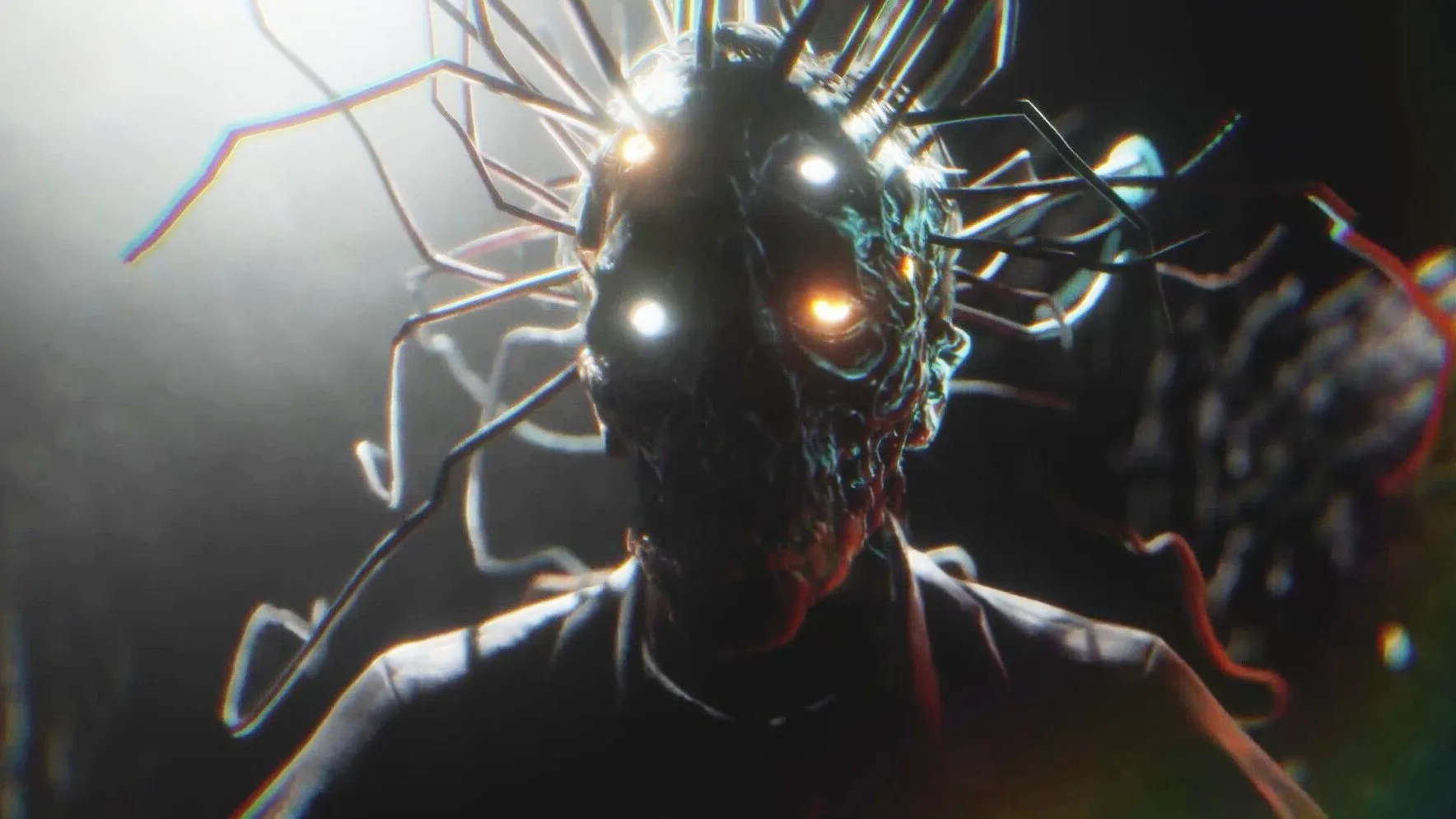
For thirteen years, the Outlast series has carved out a legendary, if deeply disturbing, niche for horror fans. It has delivered some of the most grotesque and outrageous scenes to over 50 million players worldwide, setting a benchmark for visceral terror. Yet, the most fascinating aspect of its success isn’t just the sheer volume of fear it generates—it’s the fact that no other game developers have managed to capitalize on this formula.
While the landscape of gore-filled games is vast, spanning titles like Resident Evil 7, Harvester, or Agony, Outlast stands apart. It has achieved a level of extreme brutality that remains unmatched, yet it has managed to sustain its relevance without crossing the line into mere exploitation. This uniqueness has created a curious phenomenon among game developers: the inability to successfully replicate the Outlast experience.
When asked about this unique position, Philippe Morin, co-founder of Red Barrels, shared a perspective that cut straight to the creative tightrope walk. Morin noted the inherent difficulty in pushing the boundaries of acceptable horror. “Honestly, I don’t know,” he admitted, “but I’m glad that we’re still different from other games because it can be so hard. There are thousands of games coming out on Steam every year, and that’s a lot of other games people can decide to spend time with.”
The challenge lies in finding the razor-thin line between truly outrageous horror and gratuitous spectacle. Red Barrels has mastered the delicate balance of pushing gore to its absolute limit while maintaining a core sense of atmosphere that remains genuinely unsettling. This requires a level of experience that many mainstream studios simply don’t possess.
Morin explained that the absence of combat and the deliberate focus on psychological dread, rather than action-packed sequences, are central to the series’ identity. He suggested that the difficulty in imitation stems from this specific design philosophy: “Sometimes there’s a game coming up, and we’re like, ‘alright, this one is probably gonna be the next Outlast.’ But so far, nothing’s come of them. It’s maybe a combination of different things. The fact that there is no combat or the gore is lacking.”
Ultimately, the Red Barrels team has chosen a path of successful niche building. They are content to thrive within a specific, dedicated audience rather than attempting to dilute their focus for a wider, potentially less discerning, market. Their strategy is clear: success is found by mastering the unique aesthetic that defines the Outlast experience, rather than trying to mass-market a derivative concept.
Buy on Amazon
Credit
