Redoing Resident Evil visuals and action in Cregger’s film
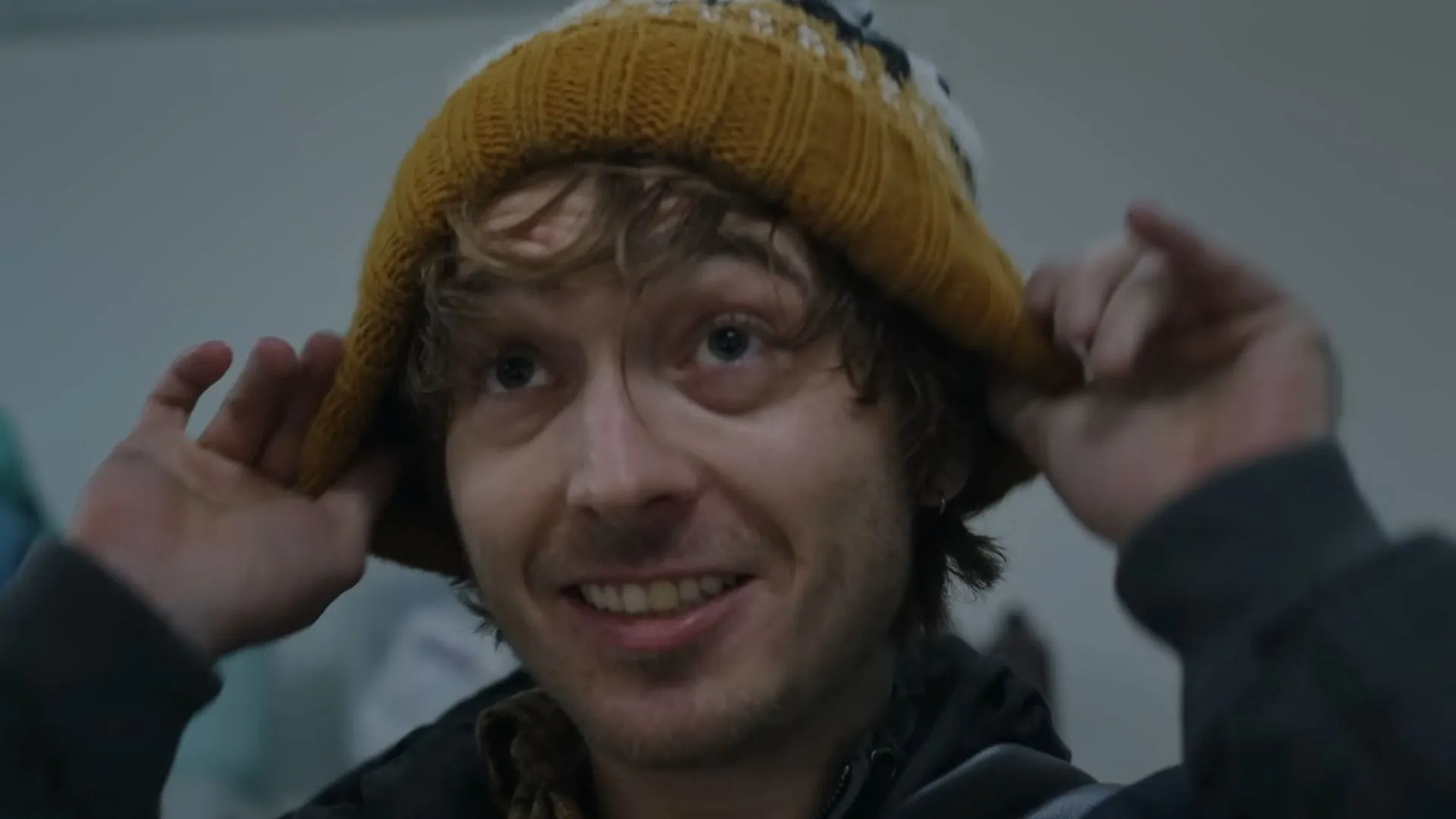
In the high-stakes world of survival horror, the line between necessity and morality often blurs into an agonizing mess. Take the recent Resident Evil film, for instance, where the desperation of the situation forces characters into choices that test the very limits of human decency. At the heart of this dilemma lies the agonizing question of what one is willing to sacrifice for survival.
We watch characters like Bryan, who is forced down a brutal spiral of blood, guts, and tears simply to secure a little extra cash. This situation, while undeniably tragic, highlights the most realistic and painful facet of the cinematic experience: the temptation to prioritize personal gain over basic human safety.
If we pause the action and consider the choices available to us in a hypothetical scenario like this, the differences between those who act purely out of desperation and those who try to hold onto a sliver of conscience become stark. If we had faced the same impossible choice, what would have been the alternative path?
Imagine the pressure—the immediate need for survival against the backdrop of chaos. One path leads to brute force, the other to desperate attempts at self-preservation. For instance, in moments of extreme peril, instincts clash with ethics. One might choose to follow a perceived path into the woods, while another might immediately call for help, prioritizing safety over blind obedience.
The details of survival become incredibly granular in these moments. Simple actions—like how one handles a lock, whether one seeks a close-range shot to preserve ammunition, or the necessity of taking the stairs instead of relying on a faulty elevator—are not just logistics; they are moral decisions layered over physical necessity. These small choices determine the outcome of the entire ordeal.
The core difference between the fate of the desperate character and a more cautious approach lies in how they handle the inevitable danger. While some may succumb to the temptation of taking the easy route, others instinctively seek out aid and maintain a semblance of moral integrity, even when the odds are insurmountable.
Ultimately, the most defining moments of a horror story are not just about the monsters, but about the human choices made under duress. They reveal whether we are simply survivors or if we retain the capacity for empathy, even when that empathy is tested by the grim realities of the situation.
Buy on Amazon
Credit
