Repurpose parts for custom PC builds and gaming art
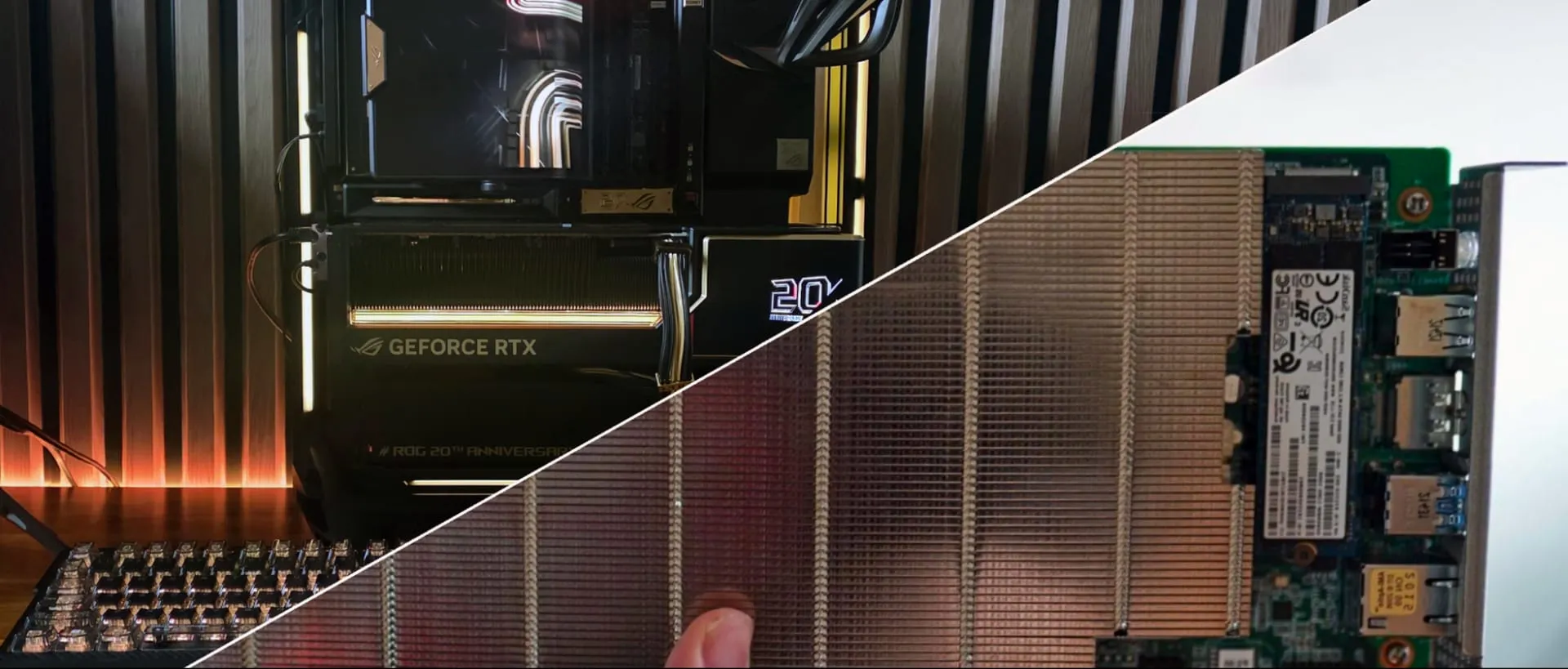
The PC component world is currently experiencing an economic anomaly that feels less like an upgrade cycle and more like an apocalypse. With memory prices soaring by hundreds of percent, storage costs spiking, and GPU prices climbing relentlessly, the landscape for building a new computer feels incredibly daunting. If you are considering a major overhaul, the current market conditions make the thought of starting from scratch seem less appealing than simply focusing on keeping what you have running.
Yet, amidst this financial pressure, the spirit of the PC enthusiast—the love of component-swapping and tinkering—is not only surviving but evolving. A fascinating counter-narrative is emerging from the community, proving that ingenuity can often bypass crippling costs.
One of the most compelling examples of this resilience lies in hardware repurposing. Take, for instance, repurposed components. Recently, an innovative project explored turning obsolete silicon into functional computing power. By taking a 2021-era APU, originally designed for the PlayStation 5, and repurposing it through community-developed BIOS and drivers, enthusiasts have managed to create a Linux-based system that rivals high-end gaming machines at a fraction of the cost. This kind of project requires serious research and technical finesse, turning discarded hardware into viable, cost-effective computing solutions.
This act of hardware reinvention taps into a long-standing tradition of the hobby: unlocking potential. It echoes the early days of PC building when enthusiasts found ways to unlock extra performance from existing chips, an idea that resurfaces today through community-led modifications. As AI tools like Claude Code advance, we can expect these repurposing efforts to become even more streamlined, accelerating the ability of communities to transform discarded silicon into powerful, budget-friendly machines.
On the other end of the spectrum, the luxury market remains fiercely expensive. High-end systems, such as those utilizing components from the Asus ROG Edition 20 line, command staggering prices. A top-tier build incorporating components like the $6,000 RTX 5090 graphics card and a premium motherboard and cooler combination can easily push the total cost toward $15,000, and potentially $20,000 if seeking high-capacity storage and RAM configurations.
While the high-end market continues to reflect a willingness by some consumers to pay premium prices for peak performance, the mainstream gaming market is grappling with the pressures. For those seeking accessible gaming experiences under $2,000, the focus is naturally shifting toward consoles, gaming laptops, or console-like PCs, such as Valve’s Steam Machine setups.
The broader component market is also facing systemic challenges. While hopes existed for external factors, such as memory makers helping to stabilize DDR5 prices, have not materialized as expected. GPU prices continue their upward trajectory, and storage options also face persistent inflation. Furthermore, even in the pursuit of affordable memory, geopolitical factors and supply chain concerns continue to complicate the path to cheaper components.
Despite these headwinds, the core demand for PC gaming remains robust. The enduring appetite for PC gaming has been demonstrated by record profits in the digital marketplace, indicating that the PC ecosystem is not on the endangered list. Whether through shrewd repurposing, clever software tricks for VRAM optimization, or simply the resilience of the enthusiast community, the PC gaming world continues to adapt and evolve.
Buy on Amazon
Credit
