Researcher ports Doom to $8000 Hasselblad X2D
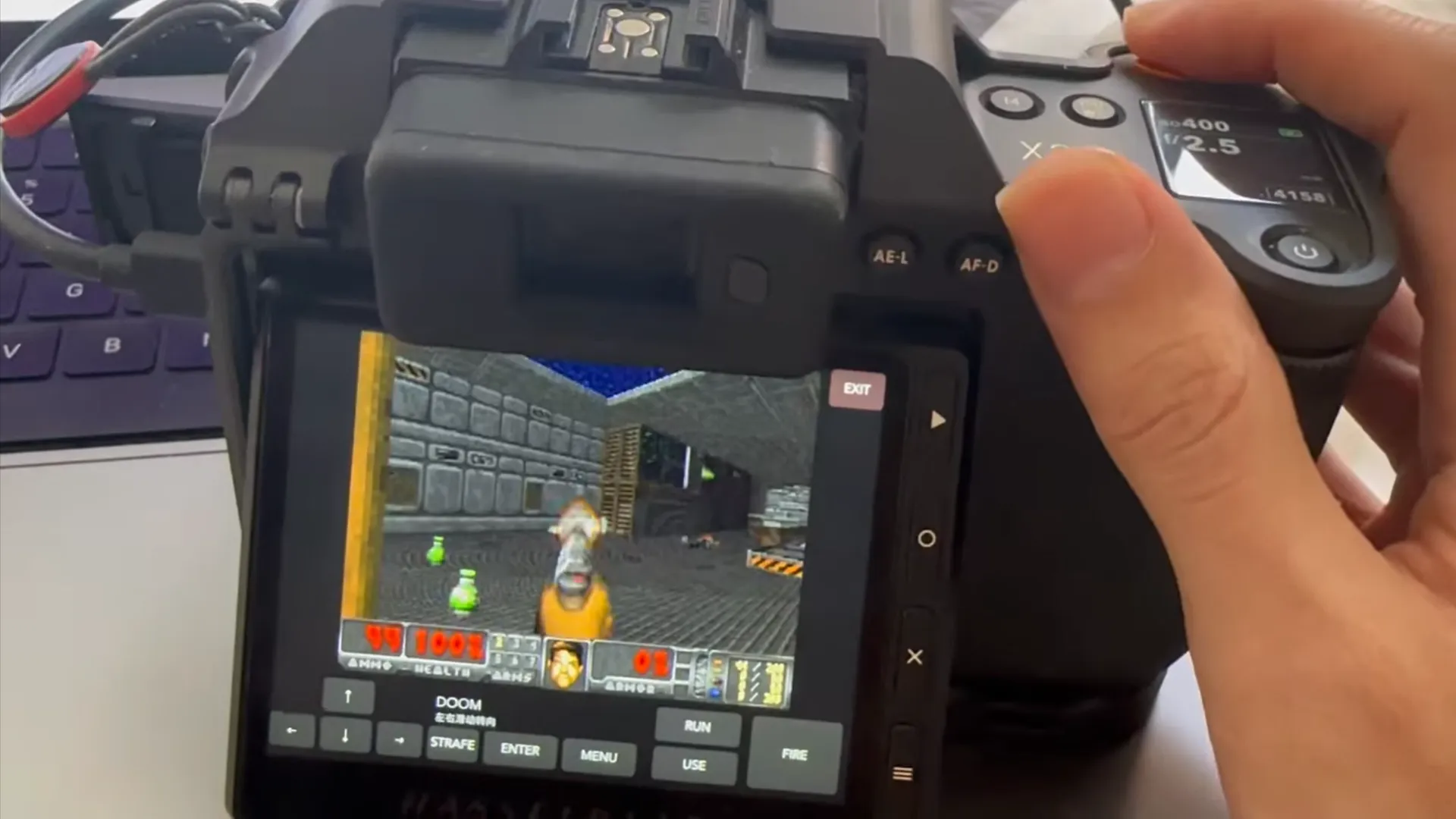
Imagine strapping a classic, high-octane experience like Doom onto a device designed for capturing photographic masterpieces. This isn’t science fiction; it’s the bleeding edge of embedded systems research, and it’s happening right now with independent camera developers.
A camera researcher named Radium Wang has pushed the boundaries of what sophisticated camera firmware can achieve. By experimenting with the software running on expensive, specialized equipment like Hasselblad and Ricoh systems, Wang developed innovative software that allows photographers to run the legendary first-person shooter, Doom, directly on a Hasselblad X2D camera.
This fascinating feature is housed in a public repository on GitHub, offering source code, offline tools, tests, and sanitized research findings. It is important to note that the project focuses purely on capability—it’s an exploration of what embedded hardware can do—rather than attempting to “level up” the camera itself.
The concept of running complex software on unexpected hardware is far from new. While the Hasselblad project takes a high-resolution digital camera and gives it a new, unconventional life, it joins a growing community of programmers who challenge conventional limits. Just a couple of months prior, another project demonstrated that the same principle works across the spectrum of technology.
For example, another programmer successfully ported Doom to an entry-level DSLR camera from 2010, highlighting the adaptability of embedded systems in the imaging world. This contrasts sharply with the Hasselblad X2D series, which is designed for professional photography with its demanding 100-megapixel resolution.
What these disparate projects reveal is the immense power of the underlying technology. When id Software first released Doom in 1993, system requirements were modest, but technological leaps have made even the most unlikely gadgets capable of handling complex computational tasks. The question of “Can it run Doom?” has become more than just a running joke among tech enthusiasts; it’s a tangible demonstration of system flexibility.
From ports running on electric cooking pots to software executing on orbiting satellites, these experiments underscore a universal truth: embedded systems are becoming incredibly powerful. They are no longer just managing sensor data; they are capable of running entire gaming environments, proving that ingenuity can turn any piece of hardware into an unexpected platform for digital adventure.
For those with an extra Hasselblad lying around, this research repository offers an invitation to join the experiment. It’s a reminder that the most exciting technological frontiers are often found in the unexpected places.
Buy on Amazon
Credit
